

Rockfield/Cromlyn
Houses within 15km of this house
Displaying 99 houses.
Houses within 15km of Rockfield/Cromlyn
Displaying 99 houses.
| House name | Description | |
|---|---|---|
| Moatfarrell House | At the time of Griffiths Valuation in the early 1850s, Moatfarrell was leased by William F. Ryan from the estate of Edward Murphy when it was valued at £18. In the early 1840 it had been occupied by Laurence O'Rourke. The National Built Heritage Survey suggests the extensive outbuildings were constructed in the mid-nineteenth century and notes that the property was occupied by the Fegan family in the 1890s. The building is still extant. | |
| Bawn House (Longford) | In 1837 Lewis described Bawn House as the property of Mr. Fox but the seat of Arthur Griffith. The Ordnance Survey Name Books note the occupant as Mr. Babington in the mid-1830s. John Daly was leasing the house from John S. Kirwan’s estate at the time of Griffiths Valuation in the early 1850s when it was valued at almost £19. In 1906 it was the property of Henry B. Armstrong and valued at £13. There is a ruin at the site. | |
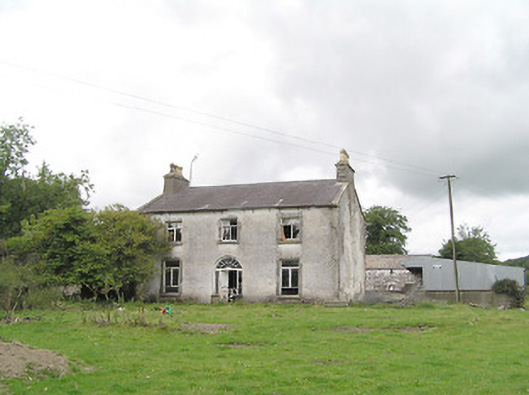
| Castle Nugent | At the time of Griffiths Valuation in the 1850s, William Webb was leasing this property from Arthur Kingston, when it was valued at £18. It was also recorded by Lewis as the seat of W. Webb in 1837. IN 1814 Leet referred to it as the residence of John West. The National Built Heritage Service suggests it was built c.1775. It is still extant but disused. |
|
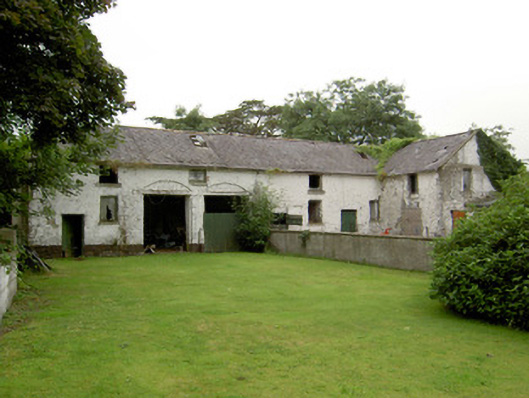
| Currygrane House | In 1837 Lewis noted “Curraghgrane” as the seat of W.L. Galbraith. At the time of Griffiths Valuation in the 1850s, William F. Ryan was leasing this property from the Misses Bond, when it was valued at £20. In 1906 it was valued at over £47 and in the ownership of James Wilson. This was the birthplace of Field Marshal Sir Henry Wilson, Britain’s chief military advisor at the end of WWI, assassinated in London in 1922. Currygrane House was burned a few weeks later and subsequently demolished. Extensive outbuildings remain at the site. |
|
| Moorhill House | At the time of Griffiths Valuation in the 1850s, John Simpson was leasing this property from Major Blackall’s estate, when it was valued at £26. It is still extant. |

|
| Coolamber Manor [Cloonshannagh] | At the time of Griffiths Valuation in the early 1850s, Coolamber was held in fee by Major Blackall, when it was valued at £75. It is labelled "Cloonshannagh House" on the 1st edition OS Map but as "Coolamber Manor" on the later editions. The National Built Heritage Service suggests it was built c.1830 and significantly extended c.1880. It is still extant, having previously functioned as a rehabilitation facility. Extensive estate architecture also survives. |
![Photo of Coolamber Manor [Cloonshannagh]](https://landedestates.ie/storage/img/orig/3355.png)
|
| Lisryan | James Ennis was leasing this property from the Blackall estate at the time of Griffiths Valuation in the early 1850s, when it was valued at over £20. It is not labelled on any edition of the Ordnance Survey map, though a much-expanded building is shown on the 25-inch edition. The site is now occupied by a modern house. | |
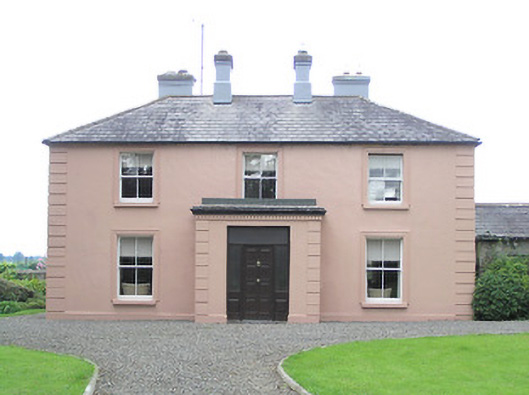
| Moneyhoolaghan House | Benjamin Lloyd was leasing Moneyhoolaghan from the Blackall estate at the time of Griffiths Valuation in the early 1850s, when it was valued at £16. The National Built Heritage Service suggests the current house was built c.1880. It is still extant. |
|
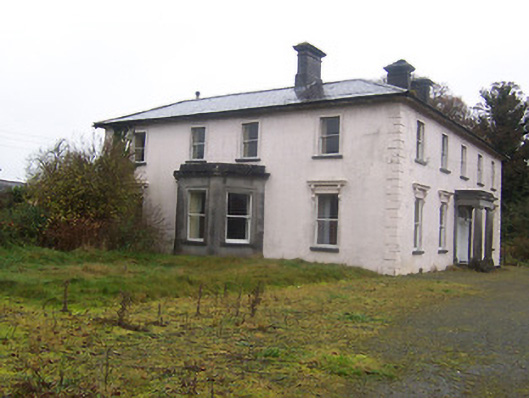
| Coolamber | Philip O’Reilly was leasing this property from the Blackall estate at the time of Griffiths Valuation, when it was valued at almost £23. The property was associated with the Blackall family by whom, according to O'Brien, it was built c.1830. Later in the nineteenth century it came into the possession of the O’Reilly family. Towards the end of World War II it was, for a time, the home of Prince Ernest, Duke of Saxony. Since the early 21st century, it has been undergoing restoration and now serves as venue for occasional gardening courses. |
|
| Lissard House | John L. O’Farrell was leasing this property from the Adair estate at the time of Griffiths Valuation in the 1850s, when it was valued at £35. In 1837 Lewis noted is as the O’Farrell seat also. Edward O’Farrell is noted as a property owner in Lissard in the Tithe Applotment book in 1825. Lissard survived into the twentieth century but is no longer extant. | |
| Ballinree House {Longford) | Phillip Kiernan was leasing Ballinree House from the Moore O’Farrell estate at the time of Griffiths Valuation, when it was valued at £5. A larger house is shown on the 25-inch Ordnance Survey map of the early 20th century. A house and large farm occupy the site now. This house was associated with the Farrell family in the 18th century as local sources recall "Bonny Pat Farrell" a United Irishman killed at the Battle of Granard in 1798. | |
| Manor Mill House | William Cox was leasing this property from the Tuite estate at the time of Griffiths Valuation in the 1850s, when it was valued at £23 and included a mill. It is not labelled on the 1st edition six-inch Ordnance Survey map but appears as Manor Mill on the later 25-inch edition. It is no longer extant. | |
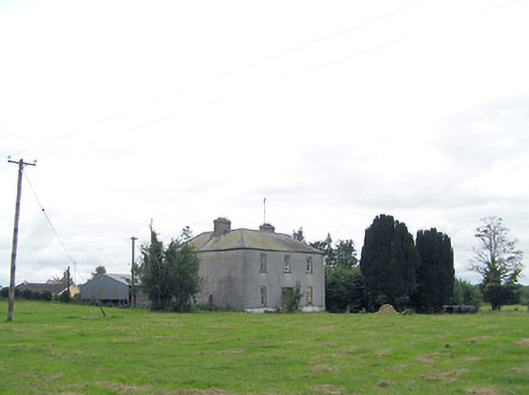
| Lissanure House | Lissanure House is labelled on the 25-inch Ordnance Survey map of the early 20th century. At the time of Griffiths Valuation in the early 1850s, the property at this site was occupied by William Green, leasing from the Tuite estate, when it was valued at £4. The National Built Heritage Service suggests that the current building replaced the earlier house in the 1850s. It is still extant but not used. |
|
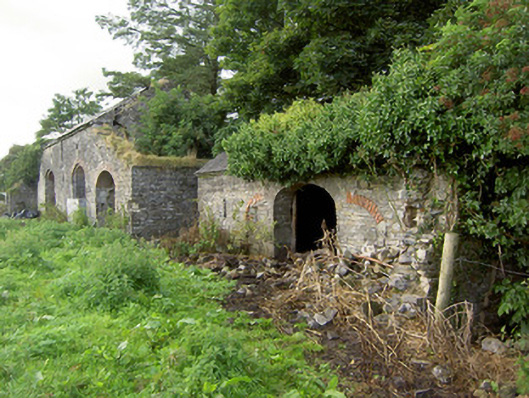
| Mossvale | The Ordnance Survey Name books of the 1830s noted Mossvale as the seat of J. Barber. At the time of Griffiths Valuation. in the early 1850s, it was being leased from the Hamilton estate by William Lewis, when it was valued at £20. It was later demolished but the stables and other estate architecture survives. |
|
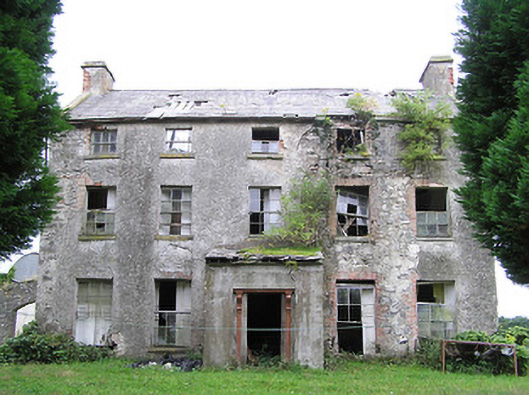
| New Grove (Longford) | John Hynds was leasing this property from the Hamilton estate at the time of Griffiths Valuation in the 1850s, when it was valued at over £11. In 1837 Lewis referred to it as the seat of R. J. Hinds. It is now a ruin. In the 1870s, John Hinds of New Grove was recorded as the owner of over 240 acres in County Longford. |
|
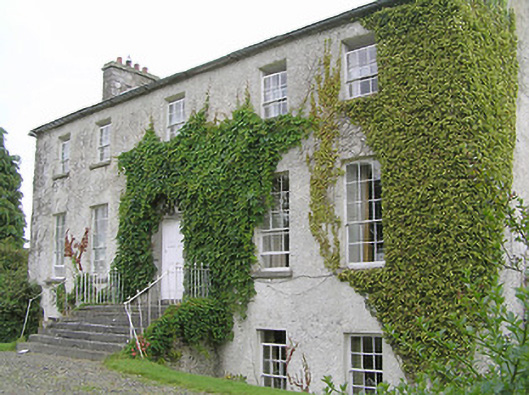
| Clonwhelan | Richard White held this property in fee at the time of Griffiths Valuation when it was valued at £15. In 1814 Leet referred to it as the residence of Miss Godley. James Bond was the occupier at the time of the initial valuation in 1839 when it was valued at £12. It is still extant |
|
| Higginstown House (Granard) | At the time of Griffiths Valuation in the early 1850s, Francis Tuite was leasing this property from Richard Greville’s estate when it was valued at £15. It is labelled Higginstown House on the 25” edition OS map of the early 20th century. The site is now occupied by large farm buildings. {Francis Tuite and his family are buried in the Church of Ireland church yard in Granard, see https://www.igp-web.com/IGPArchives/ire/longford/cemeteries/granard.htm ] | |
| Killasona House | Killasona House was occupied by Owen McCormack at the time of Griffiths Valuation in the early 1850s when it was valued at £10. It was leased from Richard Greville’s estate. McCormick was recorded as the owner of over 400 acres in County Longford in the 1870s. In 1906 it was owned by Richard Davoron and valued at over £17. It is still extant but disused. |

|
| Kilmore House (Westmeath) | At the time of Griffiths Valuation, Kilmore House was leased by Reverend Francis Kane from Reverend William Bowles and was valued at £10. The house is not visible on the 1st edition OS map but is labelled Kilmore House on the 25-inch edition. It is still extant and part of a farming enterprise. Lewis noted that the living of Kilmore was in the patronage of Fulke Greville in 1837. Reverend Francis Kane was afterwards rector of the parish of Fenagh, County Leitrim, from 1869 until his death in 1882. He had previously been vicar in the parish of Russagh, nearby to Street, County Westmeath, 1848-1855. | |
| Cloonfin House | John Thompson held this property in fee at the time of Griffiths Valuation in the early 1850s, when it was valued at £40. It has been demolished but a number of estate buildings survive. | |
| Toneen Lodge | At the time of Griffiths Valuation in the early 1850s, Nathaniel Callwell held this property in fee when it was valued at £25. A house labelled Toneen lodge is shown on the 1st edition Ordnance survey map at N343782. It is described as a small house in the Ordnance Survey Name Books. The current house, situated a short distance away, is labelled Toneen Lodge on the 25-inch edition of the early 20th century and is still extant. |

|
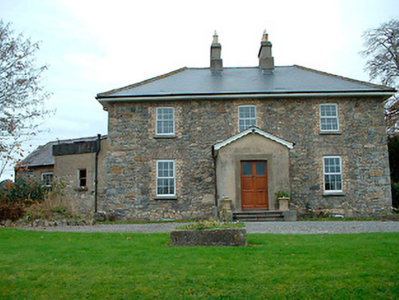
| Grange Hall | The building at this site on the first edition OS map is named Orange Hall and Grange Hall on the 25 inch map with a courtyard and laid out gardens. At the time of Griffith’s Valuation (publ. 1854) Owen Evers or Eivers owned and occupied the house, valued at £16. This property belong to Eugene Eivers in 1870, who owned 107 acres of land in the area at the time. The Eivers were still resident in 1906 and 1911 and the house remains a well maintained residence. |
|
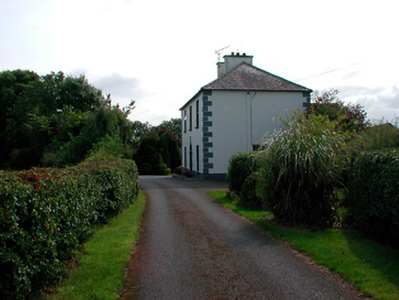
| Ballysallagh House | Ballysallagh house is not marked on first edition OS map. It is a three-bay two-storey late-Georgian-style farm house, built about 1850. At the time of Griffith’s Valuation (publ. 1854) it was occupied by Christina McCormick, who held the house valued at £11 from William Longworth. It is still in use as a residence. |
|
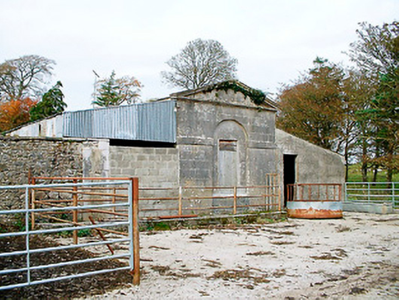
| Baronstown | Baronstown was a large mansion in an extensive demesne on the western shore of Lough Iron, as shown on the first OS map, with many features such as a temple, summer house etc. Described by the National Built Heritage Service as an important late eighteenth-century Palladian villa with two storey wings, it was associated with the Malone Family/Lord Sunderlin. Taylor and Skinner noted it as a Malone property in 1777. Lord Sunderlin was resident in 1814. Following the death of Richard Malone in 1837 his sister Alicia who had married Henry O’Connor of Mount Pleasant, King’s County (Offaly) succeeded to the Baronstown and Shinglis estates. O’Brien writes that the building was burnt twice and rebuilt. The first time in 1889 and the second time in 1903 when it was replaced by a large Tudor villa to designs by James Franklin Fuller. In 1906 it was valued at £70 and was occupied by Colonel John R Malone who held it with 943 acres of untenanted land. Demolished by the Land Commission in the 1920s, it is now a greenfield site. |
|
| Oran Vale | Located directly north of Ballynacarrigy, Oran Vale is named on the first edition OS map and was occupied by J Irwin in 1837. Valued at £15 it was unoccupied at the time of Griffith’s Valuation (publ. 1854) while the immediate lessor was Thomas William West who held the property from Alicia O’Connor Malone. The house is not named on the 25 inch map and is now a ruin. | |
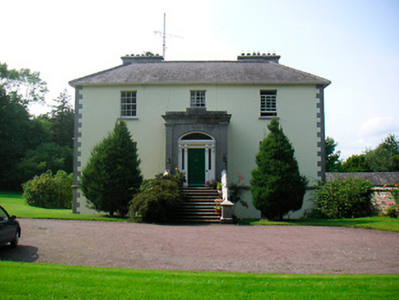
| Willybrook/Willifield | This house is named Willybrook on the first edition OS map and as Willifield on the 25 inch map. Valued at £12 at the time of Griffith’s Valuation (publ. 1854), it was occupied by Joseph Evers who held it from Alicia O’Connor Malone (in Chancery) and remains a well maintained residence. |
|
| Kill House | Kill house marked on first edition OS map and the 25 inch map is located a short distance west of Sonna. At the time of Griffith’s Valuation (publ. 1854) it was valued at £17, occupied by Maria McCormick and held from George Thompson. It appears to be still extant with courtyard outbuildings. | |
| Rath House | Rath House, was the home of J West in 1837 and of Thomas West at the time of Griffith’s Valuation (publ. 1854), when the buildings, including a corn mill, were valued at £34 and held from Alicia O’Connor Malone. In 1906 the mansion house of Rath valued at £30 was in the occupation of Colonel John R Malone and was held with 62 acres of untenanted land. The census records would suggest that the local rector Rev Venn was actually resident. The house is now demolished. | |
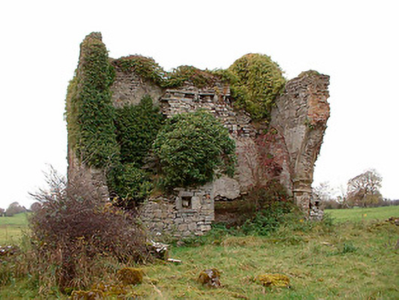
| Tristernagh House | Described as an imposing and dramatic ruin with an interesting and varied history Tristernagh was originally an important Augustinian Abbey, founded c. 1200 by Geoffrey de Costentin (boi). After the dissolution of the monasteries and abbeys it was granted to the Piers Family, Elizabethan settlers. In 1783 Sir William Pigot Piers turned part of the building into a residence, which is named as Tristernagh House on the first edition OS map. It was unoccupied in 1814. A new house/cottage was built to the north of the abbey in the early nineteenth-century which is marked on the first edition OS map (N332 616). It is not clear which of these houses Lewis is referring to as the seat of Sir John Piers Bt in 1837. The 25 inch map of the early 20th century named this later building as Tristeragh House, while the original Tristeragh House at the abbey site was a ruin. Woods writes that the ‘late J Eivers Esq, J.P., lived for years in the cottage built by the late Sir John Piers’ while the mansion built by Sir Pigot William Piers in 1783 was ‘a crumbling ruin’. At the time of Griffith’s Valuation (publ. 1854) James Evers was recorded as the occupant of a house at Tristernagh valued at £10 held from Hamilton Geale. Shepherd Patrick Garry with family members was living here in 1901 and 1911. They held the house from Colonel John R Malone. The house is still extant. |
|
| Ardglass House | This house was rebuilt in the style of an Italianate Villa post Griffith’s Valuation, possibly incorporating the fabric of an earlier house on the same site. The original Ardglass House was the home of a Major A. P. Bond in 1837. Valued at £13.15 at the time of Griffith’s Valuation (publ. 1854), it was occupied by the representatives of A P Bond who held it in fee. The present house was in the ownership of William Perry Bond JP, in the 1880s. The house has had various owners in the 20th century and was for sale in 2017, see https://www.businesspost.ie/article/high-class-at-ardglass-co-westmeath/ | |
| Newpark Lodge | Newpark Lodge named on both the first edition OS map and the 25 inch map. Occupied by James Auchmuty JP in 1837 and at the time of Griffith’s Valuation (publ. 1854) when he held the house valued at £10 from the representative of A P Boyd. Now a modern building located at the site situated on the main road from Mullingar to Edgeworthstown. Newpark Lodge was for sale in 2021. | |
| Knocknacreeve House | A building is marked at this site on the first edition OS map and a building of a different shape named Knocknacreeve House on 25 inch map. Richard Ham occupied this house valued at £14 which he held from Robert Smith, at the time of Griffith’s Valuation (publ. 1854). It is now the centre of a farm complex of buildings. | |
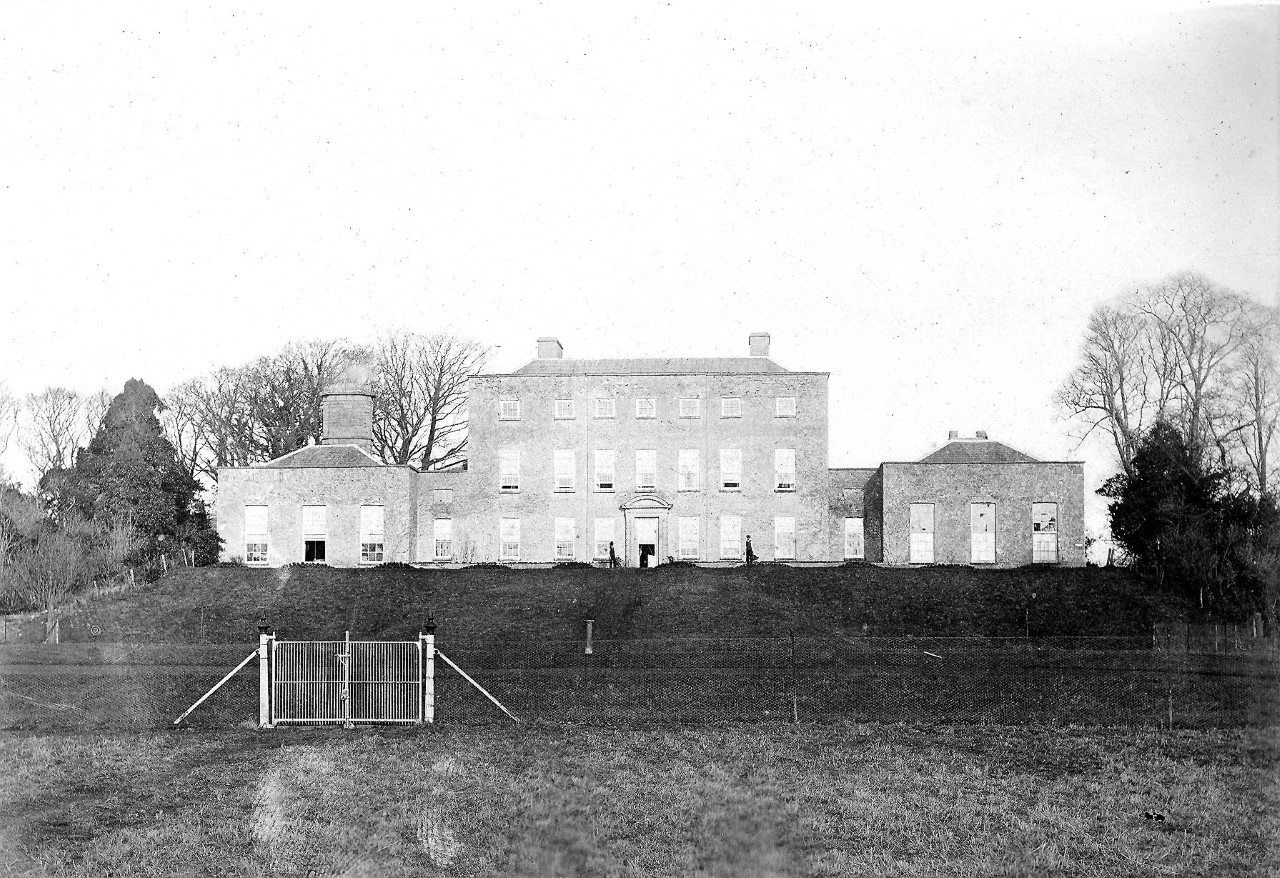
| Sonna | Set in a substantial demesne as shown of the first edition OS map, the building is slightly altered in shape from this map to the 25 inch map. The house was a three-storey, seven-bay mid-18th century Palladian style mansion. It was the home of the Tuite family and remained as such until it was burnt in 1921. Described in 1837 by Lewis - ‘Sonna for upwards of six centuries, the seat of the Tuite family, is at present the residence of Hugh Morgan Tuite… the house is a light and elegant building, in a well planted demesne’. O’Brien gives a detailed account of the family. The estate consisting of 638 acres was sold to the Land Commission in 1928. See https://www.tuites1.com/424198848.html |
|
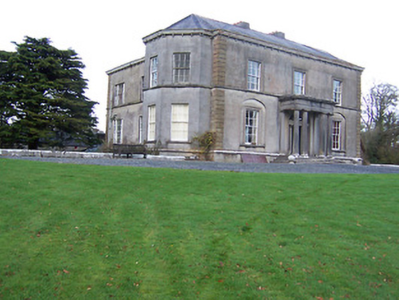
| Glencara House | This building is named Corr House on the first edition OS map but was later known as Glencarry or Glencara House. It was built for the Kelly family in the 1820s with later additions, c.1840. Glencarry was the residence of a J H Kelly in 1837 and of Robert Hume Kelly at the time of Griffith’s Valuation (publ. 1854) when the house was valued at £40 and held in fee. It remained in the possession of the Kelly family until Colonel Arthur Bellingham bought the house in the late 1930s. |
|
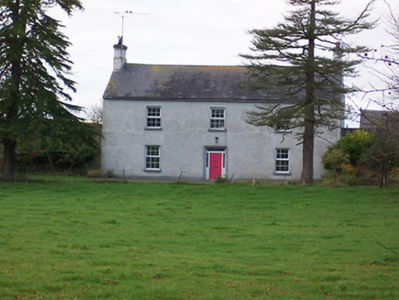
| Dalystown | Dalystown is marked on the first edition OS map and named on the 25 inch map. It is a detached three-bay two-storey house, built in the early 19th century. Valued at £12 at the time of Griffith’s Valuation (publ. 1854), occupied by Lewis Meares and held from John Rotton. |
|
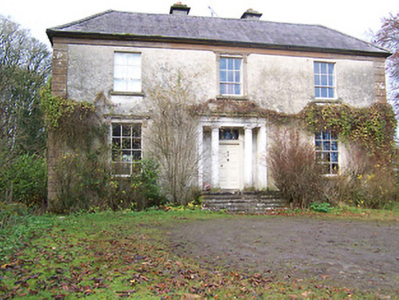
| Hallstown House | Hallstown or Halston House is named on the first edition OS map. This house was built c.1760 and altered and extended c.1820 by Sir Richard Morrison for the Boyd Gamble family (O’Brien). It is a two-storey, three-bay house and was the home of a H. Boyd Gamble in 1837. At the time of Griffith’s Valuation (publ. 1854) Frederick Gambell held it from Captain H Boyd Gambell, when it was valued at £28. Various other occupants followed and the house and lands were sold to the Hon Kieran Guinness in 1980. |
|
| Ballygarve | At the time of Griffiths Valuation, in the early 1850s, Christopher Reynolds was leasing this property from Robert Wybrants. The Ordnance Survey Name Books mention a ‘’good farmhouse’’ in the townland of Ballygarve in the 1830s. This property is now derelict. | |
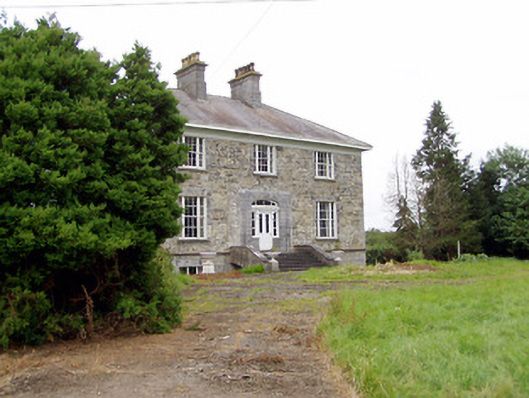
| Oldtown House (Longford) | James and George Sydserffe were leasing this property from the Gregg estate at the time of Griffiths Valuation in the early 1850s, when it was valued at £25. The original Valuation Office books from 1839 had assigned it a valuation of £14. In 1837 Lewis had recorded “Old Bawn” as the seat of Thornton Gregg. The Ordnance Survey Name Books noted that 'it had a large garden and extensive out offices'. Oldtown House is still extant and in use. |
|
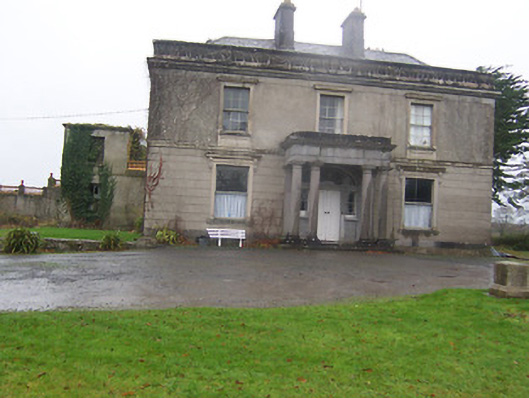
| Daramona House | The National Built Heritage Service suggests this house was built c.1850 by the Wilson family. In later times there was also an observatory at the site. At the time of Griffiths Valuation, it was held in fee by William Wilson and valued at over £28. In 1906 it was owned by John Wilson and valued at almost £73. It is still extant though apparently not in use. |
|
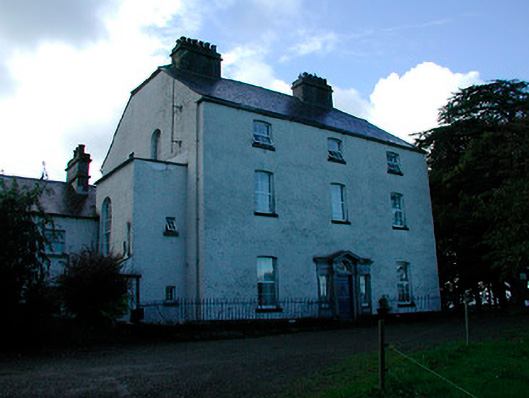
| Coolure | Coolure was held in fee by Sir Richard Pakenham at the time of Griffiths Valuation in the early 1850s when it was valued at £84. The National Built Heritage Service suggests it was built c.1775 with a later extension in the 1820s. It was likely built for Captain (later Admiral) Thomas Pakenham on his marriage to Louisa Staples, who were the parents of Sir Richard Pakenham. In 1906 it was part of the estate of Hugh P. Wilson and valued at £24. Coolure is still extant and occupied. Its extensive stable block was located in the neighbouring townland of Lispopple and was valued at £9 at the time of Griiffiths Valuation. |
|
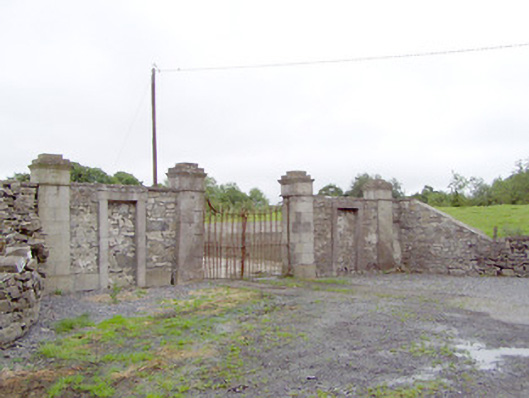
| Newtownbond House | At the time of Griffiths Valuation in the early 1850s, James Auchmuty was leasing Newtownbond House from Henry Montford Bond, when it was valued at over £30. In 1906 it was owned by William Bond and valued at almost £32. It was demolished in the 20th century though estate architecture, including the entrance gates, remain. |
|
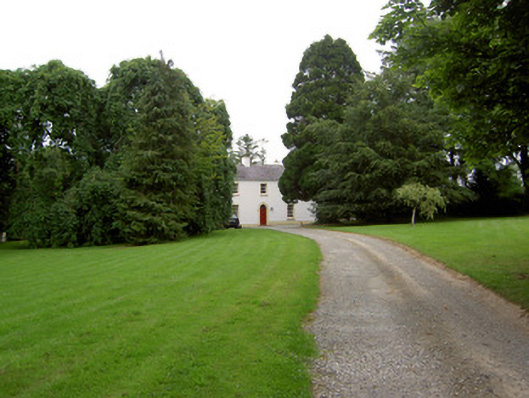
| Castlerea (Longford) | At the time of Griffiths Valuation in the early 1850s, John Bole was leasing Castlerea from the Kirwan estate, when it was valued at £15. In 1837 Lewis had noted Castlerea as the residence of Mrs. Bole. The Ordnance Survey Name Books suggest that the townland was the property of the Jessop estate in the 1830s. The 1906 Untenanted Demesnes report notes it as the property of Charles Webb with a valuation of £15. It is still extant. |
|
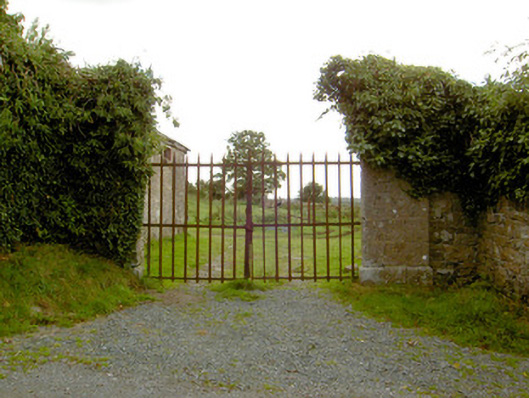
| Park Place | At the time of Griffiths Valuation in the 1850s, Ambrose Bole was leasing Park Place from the Jessop estate, when it was valued at over £27. The National Built Heritage Service dates the remaining walled garden evidence to the late 18th century and suggests that Park Place was the residence of the Moffat family. The Ordnance Survey Name Books of the 1830s note that the demesne was “cultivated by Mr. Robinson, the County Treasurer”. This is likely to be John Robinson, who, according to the Valuation Office Books, was the occupier in 1839, when the house was valued at £16. Family history sources suggest Ambrose Bole was a land agent, who managed the estates of the King-Harman and Shuldham families during the second half of the 19th century. Park Place was demolished in the 20th century but some estate architecture remains. |
|
| Crossea | John O’Byrne [O’Beirne] was leasing this property from the Ecclesiastical Commissioners at the time of Griffiths Valuation in the early 1850s when it was valued at over £10. The original Valuation Office books record a valuation of £12 in 1839. The Ordnance Survey Name Books suggest the townland was in the hands of Reverend Mr. Oliver in the mid-1830s. A large farm is still extant at the site. | |
| Newtown House (Fore) | This house was enlarged after the publication of the 1st edition Ordnance Survey map in the 1830s. Elizabeth Ferrally was leasing the property from the Pakenham estate at the time of Griffiths Valuation in the early 1850s when it was valued at £9. The Valuation Office books of 1838 also noted her as the owner when the house had a valuation of almost £6. A house is still extant at the site. | |
| Irishtown | Irishtown is named on the first edition OS map and the 25 inch map. In the late 1770s it was the home of Johnston. The Banon/Bannons lived here in the 19th century. Lewis records J Banon as resident in 1837 and Christopher J Bannon was the occupant at the time of Griffith’s Valuation (publ. 1854). He held the house valued at £15 from William H Magan. The Banons were still living at Irishtown at the time of the 1901 and 1911 censuses. The house was demolished in the 1960s but outbuildings remain. | |
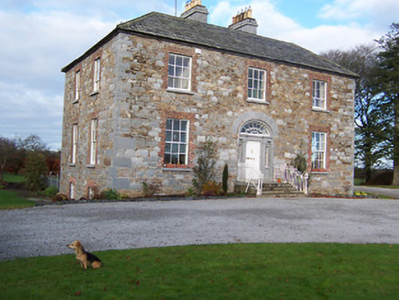
| Rathcastle | An early 19th century three-bay two-storey over a basement house, named on the first edition OS map. Rathcaslin was the residence of Thomas Banon, in 1837. By the time of Griffith’s Valuation (publ. 1854) George Murdoch occupied the house valued at £23 from John Devenish Meares. Home of William Brabazon in 1901. It was still in the possession of the Meares in 1906 and is still extant. |
|
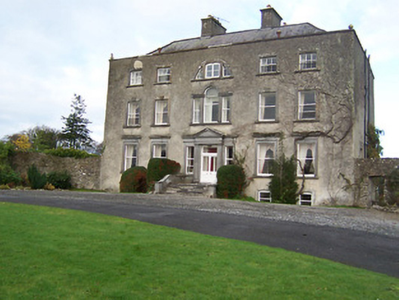
| Mearescourt | Named on the first edition OS map, this five-bay three-storey over basement Palladian country house was built about 1760, possibly incorporating the remains of earlier buildings, including a Medieval tower house. John Meares died in 1790 leaving his estate to his nephew, William Devenish. In 1814 William Devenish Meares was resident and in 1837 it was the seat of J Devenish Meares, as it was at the time of Griffith’s Valuation (publ. 1854) when the house was valued at £35. It remained a Meares home until the 1930s. In use as a guesthouse in the early 21st century. |
|
| Oldtown | Oldtown is named on the first edition OS map and the 25 inch map. A two-storey, three-bay house built by the Banon family. Occupied by J Banon in 1837 and at the time of Griffith’s Valuation (publ. 1854) by Thomas Bannon who held the property valued at £13 from James Fallon. Oldtown was for sale in the Encumbered Estates Court in 1851. The house, described as a comfortable two-story house, fit for the residence of a gentleman, was occupied by Anne, Frances and Maria Banon, (Sale Rental 19 Dec 1851) and was bought by James Fallon, a wine and spirit merchant of Dublin. James Fallon of Oldtown is recorded among the 1876 landowners of the county. The Fallon family were still resident at the beginning of the 20th century. | |
| Wilson's Hospital | Wilson's Hospital School erected on the summit of a hill, was founded by a trust set up by Andrew Wilson of Piersfield [Piercefield]. The National Built Heritage Service records that Wilson stated in his will of 1724 that in the event of there being no direct male heirs to his estate that it, and all its profits, be transferred to the Church of Ireland hierarchy and used to build a hospital for aged Protestant men and a school for poor Protestant boys. This was the case by 1743 and the school was completed in 1761. ‘Wilson's Hospital is one of the finest and most sophisticated mid-Georgian buildings constructed outside of Dublin. Its design has been attributed John Pentland, a noted architect of his day, and it is built in the style of a Palladian country house’ (boi). It is a seven-bay two-storey building which was valued at £90 at the time of Griffith’s Valuation (publ. 1854) and continues to function as a secondary co-educational boarding school today. | |
| Lackan | Lackan house is marked but not named on the first edition OS map. It was a two-storey, three-bay house, the home of the Delamare family, long associated with the Multyfarnham area. The Taylor and Skinner maps of the late 1770s include reference to Delamar at Lacken. In 1837 Lackan was the seat of Mrs Delamere. It was unoccupied at the time of Griffith’s Valuation (publ. 1854) when valued at £17. The immediate lessor was Patrick J Murphy. A number of Delemere families were still resident in the townland in 1901. This house has been demolished. | |
| Clanhugh | Named on the first edition OS map as Clanhugh Lodge overlooking Lough Owel, later rebuilt as shown on the 25 inch map when it is named Clonhugh. The earlier house Clanhugh Lodge was the residence of the Earl of Granard in 1814 and in 1837 described as a lodge belonging to Lord Forbes. Valued at £12 the building was occupied by James Lugden who held it from the Earl at the time of Griffith’s Valuation (publ. 1854). The present five-bay two-storey Italianate country house, was built in 1867, to the design of William Caldbeck (1824-1872), for Colonel F.S. Greville, later Lord Greville, who purchased much of the Forbes lands in this area in 1859. Francis Nulty of Kells was the builder. Occupied by the Harvey-Kelly and Beirne families in the 20th century. | |
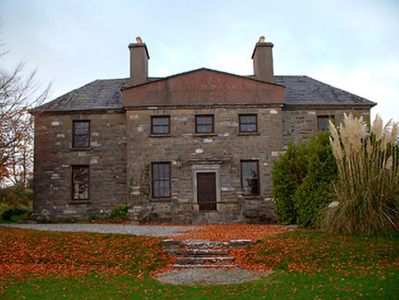
| Rathbennett House | Rathbennett House, formerly known as Farra House, originally functioned as Bunbrosna Charter School. Built c.1758 with a bequest from the will of the Rev. William Wilson, the nephew and heir of Andrew Wilson, the benefactor of Wilson's Hospital. Farra Charter School is recorded by Lewis in 1837 and was still recorded as a charter school with offices at the time of Griffith’s Valuation (publ. 1854) when the building was valued at £30. It was held by the trustees of Wilson’s Hospital in fee. Sometime later it became a private residence. Occupied by Thomas Cartret Foster in 1901 and 1911, this house remains a family home. |
|
| Ballinacloon | Ballynaclonagh, named on the first edition OS map as Ballynaclonagh and on the 25 inch map as Ballinacloon and extended. No longer extant, demolished c 1930. Complex of single and two-storey outbuildings on L-shaped plan survive. Ballynaclonagh was the residence of Edward Murphy in 1814 and P. E. Murphy in 1837. Griffith’s Valuation (publ. 1854) records Patrick E Murphy as the occupier holding the property valued at £33.5 in fee. Patrick Delamere, coachman to Captain Murphy, was resident with his wife in 1901. Valued at £45.5 in 1906 and in the possession of Captain Laurence Murphy. The Delameres had three children by 1911 and were resident holding the property from Mrs Sarah Murphy. | |
| Donore House | Donore overlooking Lough Derravaragh, named on the first edition OS map. The Nugents were settled here from the 16th century. Donore House was a three-storey late 18th century Georgian block. James Nugent of Donore was created a baronet in 1768. When his brother Peter the second baronet died in 1797, Donore passed to the family of their sister Catherine who had married Pierce Fitzgerald of Baltinoran. They had two sons Thomas who inherited Donore and Lattin who inherited Soho House. In 1831 Thomas’ son Percy Fitzgerald Nugent was created a baronet and was MP for Westmeath 1847-1852. He was resident at the time of Griffith’s Valuation (publ. 1854) when the house was valued at £80. The Nugents were still resident in the early 20th century. O’Brien writes that the house was given to the Franciscan Community of Multyfarnham from whom it was purchased by the Land Commission. The house fell into disrepair and was demolished in the 1960s. | |
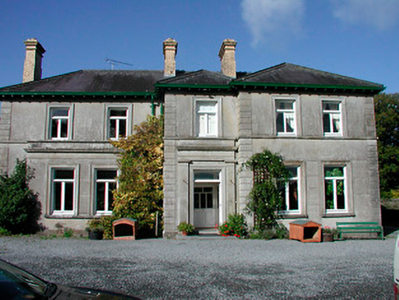
| Monintown/Mornington | Monintown or Mornington House, straddles the border between the parishes of Mutlyfarnham and Stonehall as shown on the first edition six inch OS and the 25 inch maps as Moninton. The original two-storey house was built in the mid-18th century and was the home of the Daly family. It was the seat of Owen Daly in 1837 and Edward Daly held it in fee at the time of Griffith’s Valuation (publ. 1854). It was valued at £7.10, while a building he held in the parish of Stonehall was valued at £8. In the late 19th century a five-bay two-storey house was built to the front of the original house by the O’Hara family who acquired the property in 1858. In 1906 the house was valued at £43.13 and was in the possession of Patrick O’Hara. Still in the ownership of the O’Haras, who run it as a guest house. |
|
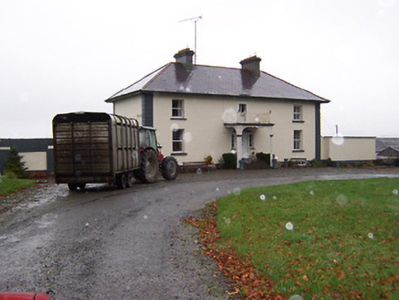
| Soho (Multyfarnham) | Soho, an early 19th century three-bay two-storey house, is named on the first edition OS map. Inherited by Lattin Fitzgerald, a younger son of Catherine Nugent of Donore and her husband Pierce Fitzgerald, who occupied the house in 1814. At the time of Griffith’s Valuation (publ. 1854) it was the residence of Peter Nugent Fitzgerald, valued at £15.15 and held from Sir Percy Nugent of Donore. The house was occupied by Mrs Margaret Fitzgerald’s gardener Edward Fay in 1901 and by Colonel Edward Irwin and family in 1911. Soho is still a family home. |
|
| Portloman | Portloman, situated on the shore of Lough Owel, is named on the first edition OS map and the 25 inch map. Home of the de Blaquiere family from the mid-18th to the mid-19th centuries. Both Leet (1814) and Lewis (1837) record Portloman as the seat of Lord de Blaquiere. At the time of Griffith’s Valuation John de Blaquiere held the house valued at £18 in fee. When the estate was for sale in June 1866 the mansion house was described as been ‘beautifully situated on the margin of Lough Owel and stands upon a demesne containing about 200 acres Statute measure, handsomely planted, to which is attached a large garden, containing over three acres well stocked, walled in and lined with Brick; Hot Houses, Conservatories etc’. In 1906 the house was in the possession of Colonel David W Stevenson [of Derry]. The buildings had increased in value to £33.10 and were held with 142 acres of untenanted land. This house was destroyed in 1921. | |
| Woodland | Woodland overlooking Lough Owel, named on the first edition OS map and 25 inch map, still extant but now known as Ardilaun House. Lewis records W Moxton, agent to Lord Forbes, as the occupant in 1837 and at the time of Griffith’s Valuation (publ. 1854) Edward Maxton was resident holding the property valued at £14 from Lord Forbes. In 1901 occupied by race horse trainer Alexander Pilkington and his wife and by the Brabazon family, horse trainers in 1911. | |
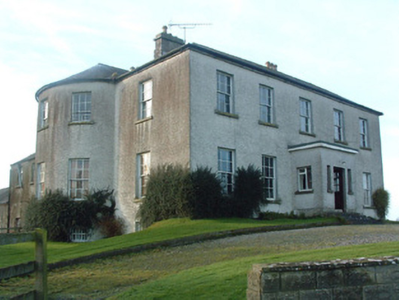
| Mount Murray | Mount Murray House is situated facing the western shore of Lough Owel and is named on both the first edition OS and 25 inch maps. The Murray family have been resident here since the mid-17th century and remain in residence today. The present house is a five-bay two-storey over basement country house, built about 1780 and remodelled c.1820 with the addition of a semi-circular bow to the southeast façade (boi). It was built by Alexander Murray in the late eighteenth-century to replace an earlier Murray house or castle close to the same site. Occupied by Alexander Murray in 1814 and 1837 and by Henry Murray at the time of Griffith’s Valuation (publ. 1854) who held the house valued at £46 in fee. William Murray was resident in 1906. |
|
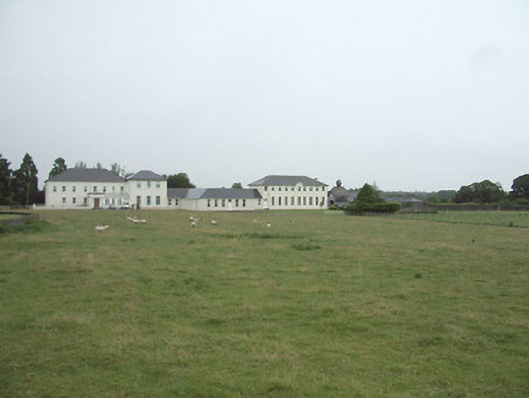
| Ardagh House (Longford) | In 1837 Lewis had identified Ardagh House as the property of G.R. Fetherston. In 1814 Leet recorded it as the seat of Sir T. Fetherston, MP. At the time of Griffiths Valuation in the 1850s it was owned by his representatives and valued at £46. The National Built Heritage Service suggests the house was built c.1730 and altered twice in the nineteenth century. It was partially damaged by fire in 1922 and again in 1948. In the later twentieth century it served as a domestic economy training facility operated by the Mercy Sisters. Together with numerous estate buildings it is still extant though not currently in use. |
|
| Drombaun House | In 1837 Lewis referred to Drombawn as the seat of Peyton Johnson. At the time of Griffith’s Valuaton in the 1850s, the property was leased from the Fetherston estate by Henry Dobson and valued over £5. It is recorded as “in ruins” on the 25-inch Ordnance Survey map of the early twentieth century and the site is now occupied by farm buildings. | |
| Corboy (Longford) | At the time of Griffiths Valuation in the 1850s this property was leased by Bridget Phillips from the Fetherston estate and valued at £10. The National Built Heritage Service indicates that the house was later the home of John Philips, the last MP for County Longford. It had later become derelict but redevelopment has taken place at the site. | |
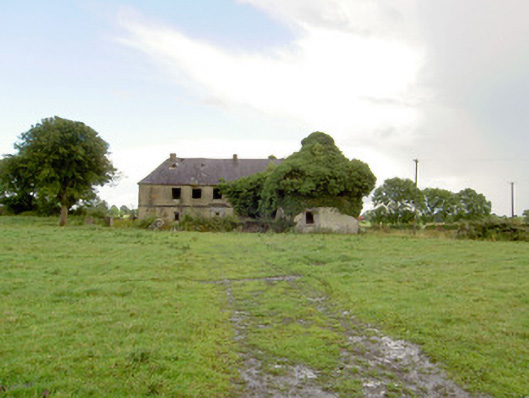
| Tennalick House | Tennalick House was associated with the nearby mill complex. At the time of Griffiths Valuation, it was leased by Stephen Cullen to Robert Diamond and was valued at £10. The mill complex was leased by John McCann & Co. also from Stephen Cullen and valued at £130. The Valuation Office House Books indicate that the house occupied by Robert Diamond was valued at £12 in 1840, while the mills, then held by William McCann, were valued at £62. The National Built Heritage Service suggests that the now-ruinous house at Tennalick dates from the early 18th century and may incorporate the remains of a 17th century house. It associates the site with the O’Farrell and Sankey families and later with the Gore estate, 1st Barons Annaly, before its acquisition by the White family, third Barons Annaly, in the early 19th century. Both the house and mills at Tennalick are now ruinous. |
|
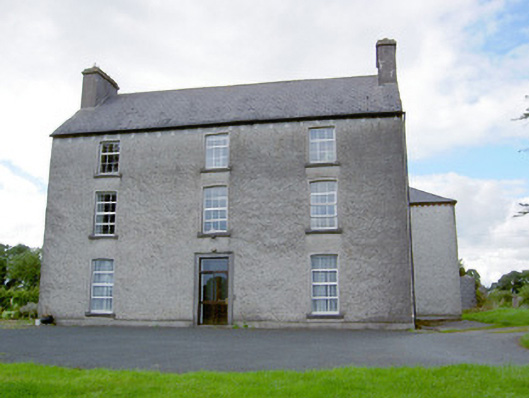
| Colehill (Longford) | The Ordnance Survey Name Books noted that Colonel White was the proprietor of the townland of Colehill. The house of the same name was leased by a Mrs. Power to Captain Robert N. Bolton at the time of Griffiths Valuation in the 1850s, when it was valued at almost £18. The Valuation Office House books of the 1840s record Thomas Lennon as the occupier at that time. The National Built Heritage Service dates the original part of this house to the 1760s with later additions in the mid 19th century. It indicates that the house was associated with the Nugent family. It is still extant and occupied. |
|
| Castlewilder [Cloghdoo House] | Richard P. O’Reilly, MD, held this property in fee at the time of Griffiths Valuation in the early 1850s, when it was valued at £30. On the 1st edition Ordnance Survey map it is labelled Cloghdoo House but as Castlewilder on the 25-inch edition of the early 20th century. The Ordnance Survey Name Books note that the townland at that time (1835) was the property of Mr. Wilder. In 1814 Leet referred to 'Castlewilden' as the seat of John Mangan. The National Built Heritage Service suggests the house and its complex of estate buildings was built in the 18th century but modified in the 1880s. |
![Photo of Castlewilder [Cloghdoo House]](https://landedestates.ie/storage/img/orig/3403.png)
|
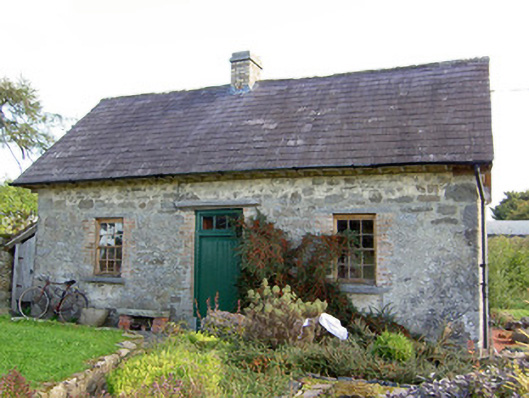
| Lislea House (Ballymahon) | Lislea House was leased by Elizabeth Bickerstaff from the Smyth estate at the time of Griffiths Valuation in the early 1850s, when it was valued at £12. In 1837 Lewis noted it as the seat of J.C. Bickerstaff. It is still extant. Datestones on the estate buildings suggest two phases of development at the site, in the 1820s and the 1860s. Elizabeth Bickerstaff was the owner of over 350 acres in County Longford in the 1870s |
|
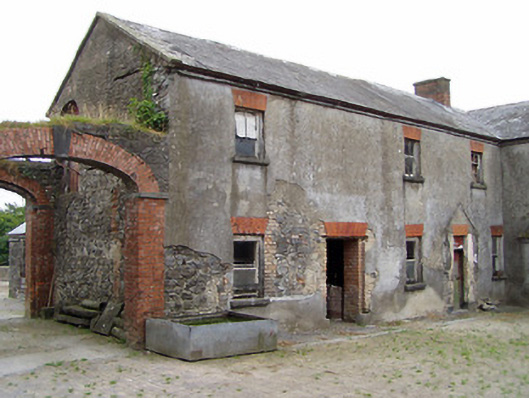
| Foxhall (Ballymahon) | Richard M. Fox held this property in fee at the time of Griffiths Valuation in the 1850s, when it was valued at £40. The original valuation also noted it as his property in 1839 with a valuation of £39. In 1906 it was owned by the representatives of R.E. Fox. The Ordnance Survey Name Books mention that the demesne contained 38 acres of woodland in the mid-1830s. Leet referred to it as the residence of Richard Fox in 1814. The National Built Heritage Service suggests that the house at Foxhall was demolished in 1946. Estate architecture, including the stables, survives |
|
| New Port (Ballymahon) | At the time of Griffiths Valuation in the early 1850s, Patrick Ross was leasing this property from the Fox estate, when it was valued at almost £9. In 1814 Leet referred to it as the residence of J, Molloy. The Ordnance Survey Name Books mention it as a gentleman's residence belonging to Mr. Fox. The house is labelled New Port on the 1st edition Ordnance Survey map but does not appear on subsequent maps and is no longer extant. | |
| Newtown House [Newtown Lodge] | Robert Hagerty was leasing this property from the Fox estate at the time of Griffiths Valuation in the early 1850s. The house at the site is labelled Newtown Lodge on the 1st edition Ordnance Survey map. The Ordnance Survey Name Books referred to this as a 'farm house' in the 1830s. A different house at the site is named as Newtown House on the later editions, the name by which it is still known. The National Built Heritage Service suggests the original house was built c.1810. It is extant and well-maintained. |
![Photo of Newtown House [Newtown Lodge]](https://landedestates.ie/storage/img/orig/3406.png)
|
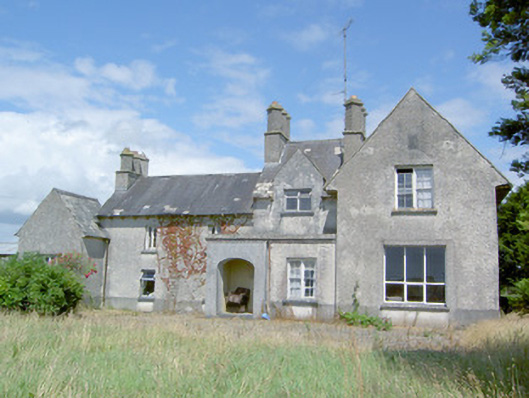
| Sleehaun House | This property is not shown on the 1st edition OS map but is labelled Sleehaun Ho on the 25-inch edition of the early 20th century. It was occupied by Michael Ledwidge at the time of Griffiths Valuation in the early 1850s when it was valued at £13 and leased from the Fox estate. The National Built Heritage Service suggests it was built c.1850. It is still extant. |
|
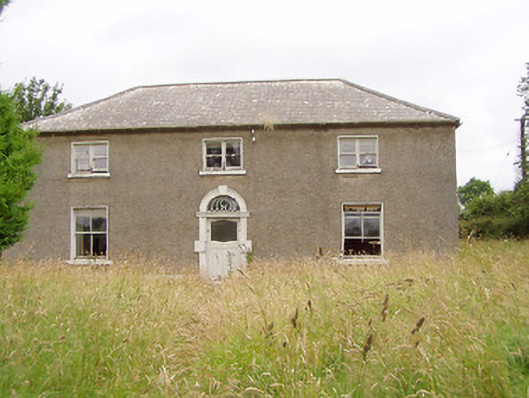
| Treel House | William Atkinson was occupying Treel House at the time of Griffiths Valuation in the 1850s, when it and the adjacent mill were valued at £28. The National Built Heritage Service suggests the house was built c.1830. In 1839 the original Valuation Books, however, stated that at that time no house in the townland had a valuation of greater than £5 suggesting that Treel House was enlarged after that date. The Ordnance Survey Name Books noted in 1835 that the townland was then the property of Mr. Fox. Treel is still extant though not in use. |
|
| Clynan House | Bevan Slator was occupying Clynan at the time of Griffiths Valuation in the 1850s, when it was valued at £24. It was leased from William C. Rochfort. In 1840 the original valuation had recorded it as the seat of Bernard Slator with the same valuation. The National Built Heritage Service associates the property with the Coates and Slator families. It is now ruinous. | |
| Whitehill House (Granard) | In 1837 Lewis referred to Whitehill House as the seat of H.B. Slator. At the time of Griffiths Valuation in the 1850s, Henry B. Slator was leasing Whitehill from Mrs. Fearon, when it was valued at £18. It is no longer extant. | |
| Knockagh House [Hermitage] | Francis Kenny was leasing this property from the Robinson estate at the time of Griffiths Valuation in the early 1850s, when it was valued at almost £12. On the 1st edition Ordnance Survey map it is labelled Hermitage. The Ordnance Survey Name Books refer to “the gentleman’s seat called Hermitage in this townland”. On the 25-inch edition of the early 20th century it is labelled “Knockagh House – in ruins”. | |
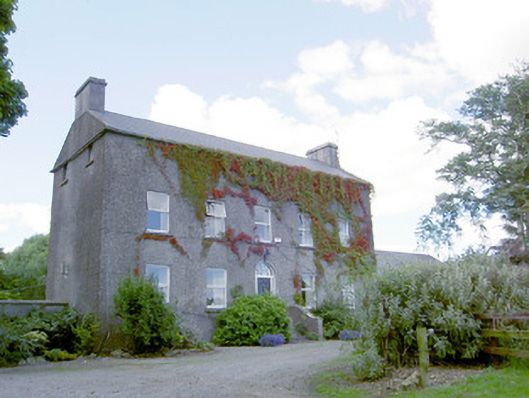
| Richmount Hill | John Higgins, MD, was leasing this property from Jane Richardson’s estate at the time of Griffiths Valuation in the 1850s, when it was valued at over £15. In 1814 Leet referred to it as the seat of Auchmuty Richardson. The National Built Heritage Service suggests that this house was built c.1720. It is still extant and occupied. |
|
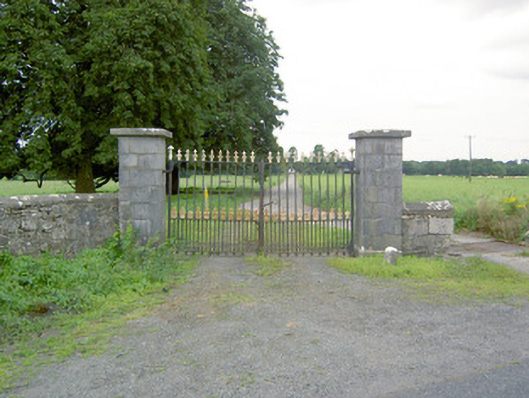
| Richfort | James A. Richardson held this property in fee at the time of Griffiths Valuation in the early 1850s when it was valued at £15. Lewis had referred to Richfort as the seat of J.A. Richardson in 1837. In 1814 Leet noted it as the residence of Arthur Richardson. The house was demolished in the 20th century but the entrance gates remain. |
|
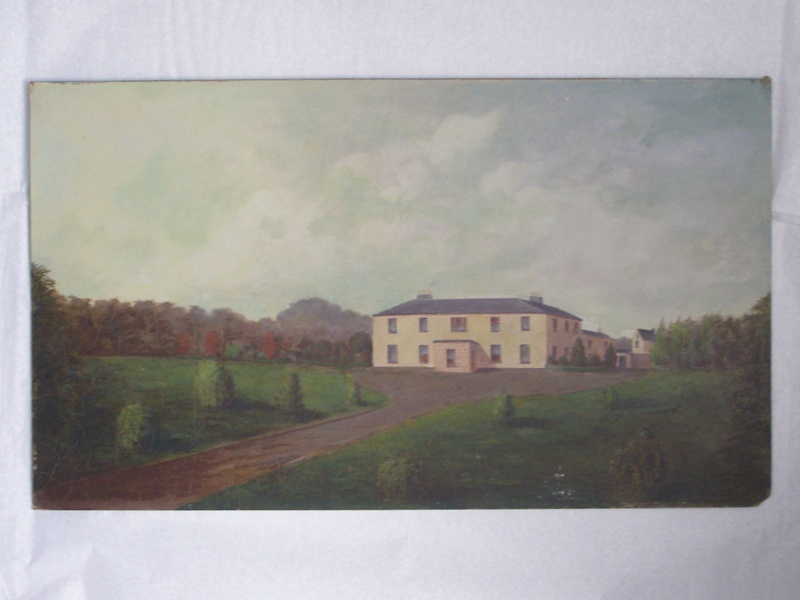
| Corrabola House | Hugh Morrow was leasing this property from the Jessop estate at the time of Griffiths Valuation in the 1850s, when it was valued at £28. Lyons records the sale of the house and estate in the Landed Estates Court in 1861. The schedule notes that it had been built by Morrow about 20 years previously and provides a good description of the house and demesne. The interest was purchased by the Jessop estate. The sale notice includes a lithograph of the house. A painting of this house, attributed to Arthur Morrow, is held in a New Zealand collection, where members of the Morrow family emigrated to in the 1860s. This house later features as the address of Thomas Alder Cusack, a Dublin solicitor who managed the Jessop estate. |
|
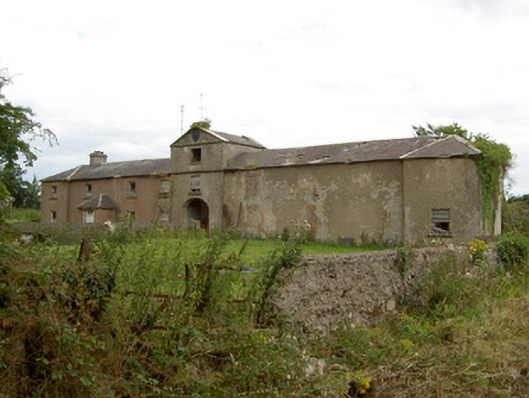
| Doory Hall | Doory Hall was the residence of F.T. Jessop at the time of Griffiths Valuation in the 1850s, when it was valued at £50. The National Built Heritage Service suggests that the current ruined property dates from the 1820s but that it replaced an earlier dwelling at the site. In 1906 it was owned by Louisa Jessop and still valued at £50. The remains of a large number of ancillary estate buildings area also visible at the site. |
|
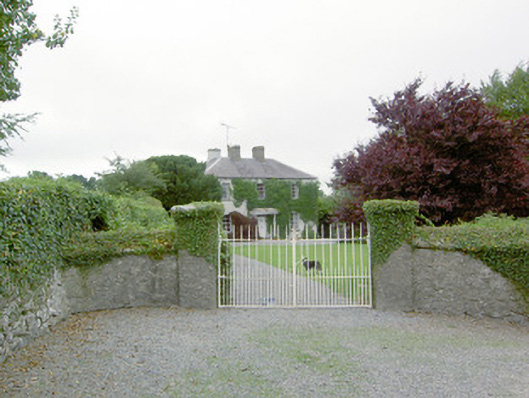
| Torboy House | Phillip McCutcheon was leasing Torboy from Colonel Palliser’s estate from at least the early 1840s, as shown in the Valuation Office House books. At the time of Griffiths Valuation in the early 1850s the house was valued at over £12. The Landed Estates Court sale notice of 1862 indicates Philip McCutcheon had renewed his lease on this property in 1848. Torboy House is still extant and occupied. |
|
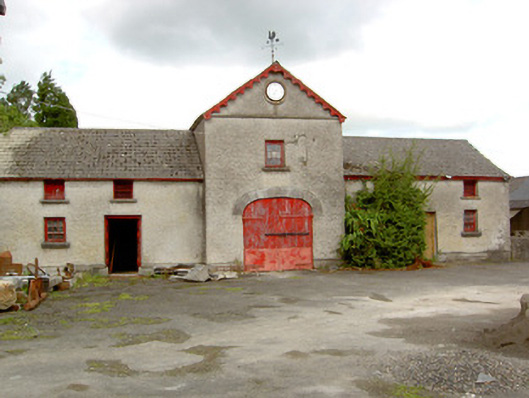
| Sunfield House | George Gamerson was leasing this property from the King Harman estate in the 1850s when it was valued at £12. The valuers' original valuation, which also includes a description of all buildings on the site, was over £20. The house is not named on the 1st edition OS map but is labelled Sunfield House on the 25” ed. A substantial farm occupies the site including the original buildings |
|
| Forgney House | Thomas Lennon was occupying Forgney House at the time of Griffiths Valuation in the 1850s, when it was valued at £12 and leased from the King Harman estate. It is possible that this is the same property which the valuers recorded as occupied by William Atkinson in 1840 and then valued at over £13. The house is not visible on the 25” map of the early twentieth century and the area is now covered by forestry. Elsewhere in the same townland, a house is labelled Forgney Old House (N205545) on the 1st edition Ordnance Survey map but does not appear on later maps. | |
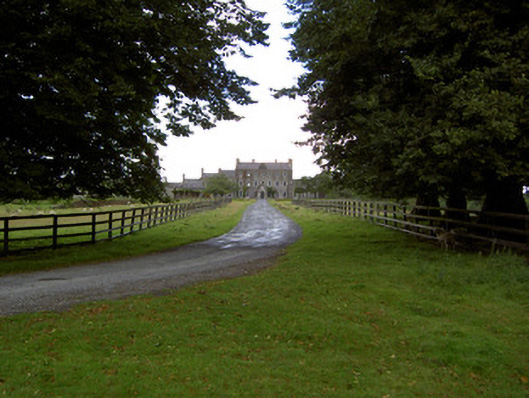
| Newcastle House (Ballymahon) | The extensive property at Newcastle was originally the seat of the Harman family, which came into the King family through marriage. In 1837 Lewis referred to it as the seat of the Dowager Countess of Ross. At the time of Griffiths Valuation in the 1850s it was the seat of Laurence King-Harman and was valued at £90. In 1906 it was owned by Col. W.H. King-Harman. It remained in the family until the twentieth century when it was sold to an order of religious sisters. In the later 20th century and again more recently it has functioned as a hotel. A Center Parcs resort is now located in an area of the former demesne. |
|
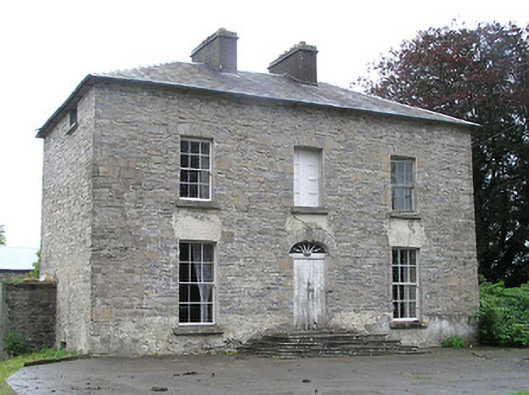
| Cartroncar House | Richard Taylor was leasing this property from Thomas Bond’s estate at the time of Griffiths Valuation, when it was valued at £25. In 1835 James Bond was recorded by the valuers as the occupier and the house had a valuation of £32. The Ordnance Survey Name Books note the existence of the house and demesne of Cartroncar in the townland, 'the seat of J.W. Bond'. It is still extant but disused. |
|
| Tully (Granard) | A steward’s house owned by Willougby Bond was located at Tully and valued at £15 at the time of Griffiths Valuation in the 1850s. The National Inventory of Architectural Heritage suggests this site had a long history dating back to an O'Farrell castle in the 17th century and later occupied by Newcomen and Wilson families before becoming part of the Bond estate. The Ordnance Survey Name Books mention that it was part of Major Bond's demesne with 'much old timber about the place'. Buildings still exist at this site. | |
| Kilmoyle | At the time of Griffiths Valuation in the early 1850s, Alexander McCormick was leasing this property from the estate of Captain W. Bond, when it was valued at £7. The 1906 Untenanted Demesnes survey records a valuation of almost £14 for the property when it was still part of the Bond estate. A modern house and large farm occupy the site now. | |
| Derrya | At the time of Griffiths Valuation in the early 1850s William Pollard Urquhart was leasing a herd’s house at this location from the estate of Richard Pakenham, when it was valued at almost £11. The Valuation Office books of 1839 noted the owner as Captain William Pakenham and the valuation was £12. The Untenanted Demesnes survey of 1906 indicates it belonged to Hugh P. Wilson and was valued at over £10. The building is still extant but derelict. | |
| Turbotstown [Turbotstown House] | The National Inventory of Architectural Heritage suggests that the present house at Turbotstown was built in the early decades of the nineteenth century, on the site of an earlier house. At the time of Griffiths Valuation in the early 1850s it was held in fee by Gerald Dease when the buildings were valued at £80. In 1906 it was still the property of Major Gerald Dease and valued at £84. It was occupied by the Dease family until the 20th century and is still extant. O'Brien provides a detailed account of this house and its occupants. On the 1st edition Ordnance Survey map it is labelled Turbotstown House but on the 25-inch edition of the early 20th century it is labelled Turbotston. |
![Photo of Turbotstown [Turbotstown House]](https://landedestates.ie/storage/img/orig/3616.png)
|
| Lakeview House (Fore) | John Smith was leasing this property from Reverend Thomas Smith at the time of Griffiths Valuation when it was valued at £15. The Valuation Office books of 1838 state that the house then held by Reverend Thomas Smith was valued at £16. It is still extant and in use. | |
| Mayne Glebe [Mayne Rectory] | Mayne Rectory was leased by Reverend William Eames from the estate of Reverend Thomas Smith at the time of Griffiths Valuation when it was valued at £8. In 1839, the Valuation Office books recorded that it was occupied by Reverend Richard Handy and had a valuation of almost £9. The National Inventory of Architectural Heritage suggests it was built c.1812. It is still extant and in use. |
![Photo of Mayne Glebe [Mayne Rectory]](https://landedestates.ie/storage/img/orig/3615.png)
|
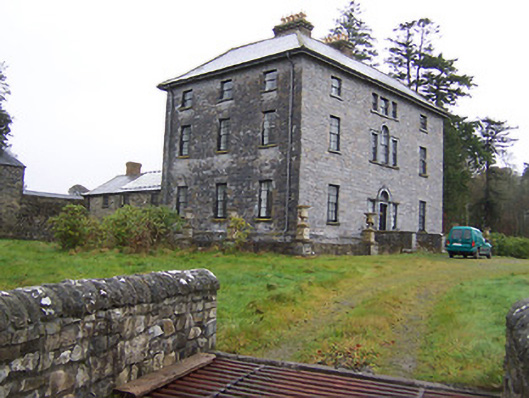
| Newpass | Griffiths Valuation notes the owners of Newpass as Elizabeth Westby and the representatives of Sir. G. Fetherson. Elizabeth Westby was the wife of William Westby and the daughter of George B. Whitney of Newpass. The house was unoccupied in the early 1850s and valued at £35. The National Inventory of Architectural Heritage suggests it was built c.1775 by the Whitney family, probably on the site of an earlier house. Taylor and Skinner noted it as a Whitney property in 1777. O'Brien states that Colonel Whitney first purchased the Newpass estate in 1670. In 1906 it was owned by Major E. Henry Fetherston Whitney and valued at £43. It is still extant. The estate also owned property in the nearby village of Rathowen. |
|
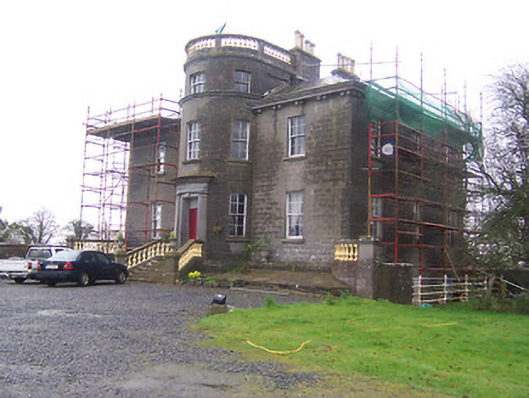
| Kildevin | Moses Sproule was leasing this property from William H. Little at the time of Griffiths Valuation in the early 1850s, when it was valued at £36. O'Brien states that a name plaque at the property indicates the building of the house by Robert Sproule in 1833. It was the residence of the Sproule family until the later part of the 19th century when it was acquired by Meredith Johnston and by the Tyndall family. It is still extant and has been offered for sale on a number of occasions since 2000. |
|
| Kilmore House (Moygoish) | At the time of Griffiths Valuation, Kilmore House was leased by Reverend Francis Kane from Reverend William Bowles and was valued at £10. The house is not visible on the 1st edition OS map but is labelled Kilmore House on the 25-inch edition. It is still extant and part of a farming enterprise. Reverend Francis Kane was afterwards rector of the parish of Fenagh, County Leitrim, from 1869 until his death in 1882. He had previously been vicar in the parish of Russagh, nearby to Street, County Westmeath, 1848-1855. | |
| Ballincurra House (Rathconrath) | Benjamin Digby held this property in fee at the time of Griffiths Valuation in the early 1850s when it was valued at £23. The original Valuation Office books had valued the property at £25 in 1850, It had a similar valuation in 1906 when it was owned by William Benjamin Digby. It survived into the 20th century but is now a ruin. | |
| Moyvore | Peter Odlum was leasing this property from the Grogan estate at the time of Griffiths Valuation, when it was valued at £12. | |
| Beech Lawn (Ballymahon) | George Meares was leasing this property from the Grogan estate at the time of Griffiths Valuation, when it was valued at almost £17. A house is still extant at this site. | |
| Baltacken House | Abraham Coates was leasing this property from Nathaniel McElthwaite at the time of Griffiths Valuation when it was valued at £12. It was described as a caretaker’s house with offices. It is labelled Baltacken House on all editions of the Ordnance Survey map and is still extant and in use. | |
| Millbrook (Granard) | Patrick Flynn was leasing this house and milling complex from the Greville estate at the time of Griffiths Valuation in the early 1850s, when it was valued at over £13. | |
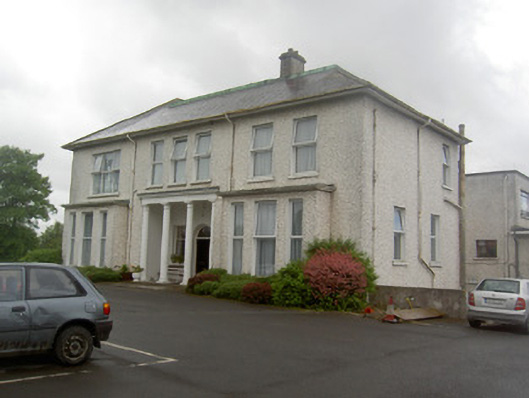
| Edgeworthstown House | The Edgeworth family had been settled at Edgeworthstown in the parish of Mostrim, County Longford, since the 17th century. At the time of Griffiths Valuation in the 1850s, Fanny Edgeworth was leasing the property from Charles Edgeworth, when it was valued at £45. [It is likely that Fanny was his stepmother} The National Built Heritage Service suggests the present building began in 1725 but had several rounds of modifications subsequently. In more recent years it has served as a health care facility. |
|