

Crowdrumin Lodge
Houses within 15km of this house
Displaying 56 houses.
Houses within 15km of Crowdrumin Lodge
Displaying 56 houses.
| House name | Description | |
|---|---|---|
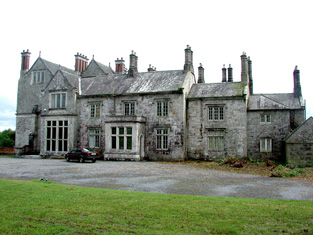
| Lough Rynn | Lough Rynn was built in the early 1830s by Robert, Viscount Clements, heir to the 2nd Earl. At the time of Griffith's Valuation it was valued at £40. In 1906 it is recorded as the property of Col. H.T. Clements and has a valuation of £100. It is still extant. In 2006 it opened as a luxury hotel. For more information see www.loughrynn.ie and www.loughrynn.net. |
|
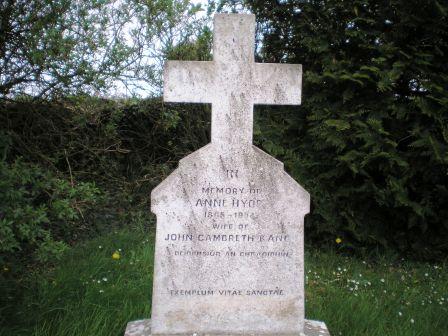
| Mohill Castle | At the time of Griffith's Valuation John Kane was leasing a property valued at £20 from Sir M. Crofton in the town of Mohill. |
|
| Lakefield | Lakefield House was associated with the Crofton family since the mid eighteenth century . A new house was constructed between 1771-1798. At the time of Griffith's Valuation it was leased by Duke Crofton from Hugh Carmichael,M.D. and was valued at £25. The house continued in Crofton ownership until 1931 when the estate was purchased by the Land Commission. It is now a ruin. | |
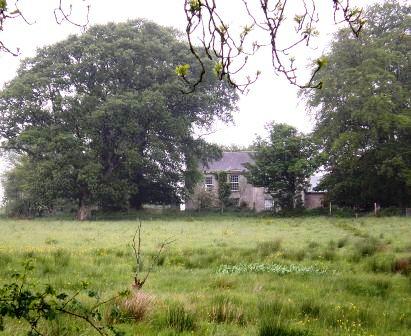
| Cottage Vale | At the time of Griffith's Valuation Charles Ensor was leasing a property valued at £10 at Drumdarkan, barony of Mohill, to George West. There is still an occupied house, part of a large farm, at this site. |
|
| Aughry House | Aughry House built after the publication of the First Edition Ordnance Survey map. At the time of Griffith's Valuation it was owned and occupied by Charles T. Ward and was valued at £13. Aughry Castle (in ruins) is visible nearby on the 1st edition map. This may be the property referred to in 1786 by Wilson as the seat of Mr. Nesbit. Elaborate modern entrance gates identify Aughry House which appears to be close to the site of the original. | |
| Aghamore House | Russell B. Cameron was leasing this property from the Crofton estate at the time of Griffith's Valuation when it was valued at £12. A house is still extant though not on the original site. | |
| Drumard House | Rev. Thomas Jones was leasing a property at Drumard, barony of Mohill, valued at £25 to William Jones at the time of Griffith's Valuation. It is no longer extant. | |
| Georgia | At the time of Griffith's Valuation, the Forbes estate was leasing a house valued at £6 to Andrew McCloughesy at Georgia or Gorteenoran. The premises is visible on the early 20th century maps but the site is now occupied by a hotel complex. | |
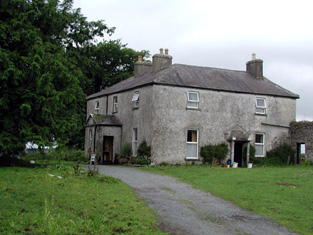
| Gort House | Margaret O'Brien was leasing a house valued at £15 in the townland of Gortnalamph from the Clements estate in the 1850s. Gort House is still extant and occupied. |
|
| Cloone Grange | A house built after the publication of the first Ordnance Survey Map. At the time of Griffith's Valuation Rev. John Carson was occupying the property which was valued at £25. In 1906 William H. White was the owner of this house, valued at £28. The site of the original house is now occupied by farm buildings. | |
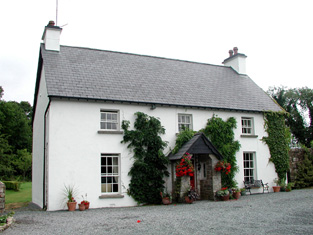
| Clooncoe House | Lewis records "Brooklawn" as a seat of the O'Brien family in 1837. Brooklawn House in the townland of Clooncoo, parish of Cloone, was part of the Clements estate but is described at the time of the first Ordnance Survey as the seat of a Mr. Crawford. It is labelled Brooklawn on the 1st edition Ordnance Survey map but as Clooncoe House on all subsequent editions. It is still extant and occupied. |
|
| Lurga House | At the time of Griffith's Valuation, Francis Scanlan was leasing a property at Lurga, barony of Mohill, valued at almost £3 together with over 90 acres from the Crofton estate. This property is labelled Lurga House on the 1st edition and subsequent maps. A house and farm are still extant at the site. | |
| Clooncahir | John Walsh was the lessor of a vacant house valued at £12 at Clooncahir, barony of Mohill at the time of Griffith's Valuation. He was leasing lands in the same area from the Crofton estate. A house still exists at the site. | |
| Drumod More | At the time of Griffith's Valuation, Catherine Warren was leasing a house valued at £9 to Francis Murphy at Drumod More, barony of Mohill. Extensive redevelopment and road building have taken place in this area though there are still buildings at the site. | |
| Drumkilla or Mohill Glebe | At the time of Griffith's Valuation Rev. Arthur Hyde was leasing the Glebe at Drumkilla, valued at £22, from the Ecclesiastical Commissioners. | |
| Glebe Mohill | At the time of Griffith's Valuation, Rev. Arthur Hyde was leasing the glebe house at Drumkilla, barony of Mohill from the Ecclesiastical Commissioners. It was then valued at £22. | |
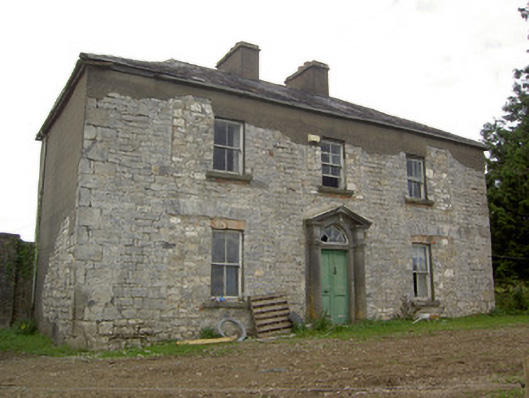
| Ballinlough House | Thomas Gosslin was the immediate lessor of Ballinlough House at the time of Griffiths Valuation in the early 1850s, when it was valued at £18. In 1814 Leet referred to it as the residence of J.C. Irwin. In 1835 the Valuation Office books mention Edward Irwin as the occupier. The building is still extant but no longer in use. |
|
| Moatfarrell House | At the time of Griffiths Valuation in the early 1850s, Moatfarrell was leased by William F. Ryan from the estate of Edward Murphy when it was valued at £18. In the early 1840 it had been occupied by Laurence O'Rourke. The National Built Heritage Survey suggests the extensive outbuildings were constructed in the mid-nineteenth century and notes that the property was occupied by the Fegan family in the 1890s. The building is still extant. | |
| Kilshruley House | At the time of Griffiths Valuation in the early 1850s, Major T.N. Edgeworth held this property in fee when it was valued at £20. It is labelled Kilshruley Manor on the 25-inch map of the early 20th century. It has since been demolished. A memorial stone at the site indicates that a castle belonging to the Adair family previously stood near the site. | |
| Laurel Bank/Holly Bank | This house, originally known as Laurel Bank, is named on the first edition six inch Ordnance Survey map (publ. 1837). It is shown in a demesne which included an old bleach mill and a corn mill and kiln. It is believed to have been built by a mill owner in the 18th century. Griffith’s Valuation records William Norton as the occupant holding the property valued at £8.10.0. from the Earl of Gosford. The house is called Holly Bank on the 25 inch map. Altered and added to in the 20th century it continues to be a residence. | |
| Lake View (Scrabby) | Lake View in the townland of Bernyhill (212 acres) was the home of the McManus family. In the mid-19th century Eugene McManus held the property, valued at £11.10.0. in fee. He owned the townland of Bernyhnill in 1876. Eugene Mc Manus, aged 39, was resident at Lake View in 1901 and in 1911. A house surrounded by farm building is still extant at this site. | |
| Cornadrung Cottage | In 1906 the report on Untenanted Demesnes notes a property at Cornadrung in the possession of Edward Fitzgerald and valued at over £10. This house is labelled Cornadrung Cottage on all editions of the Ordnance Survey map. It appears to have begun as a small property, possibly a hunting lodge on the shores of Lough Gowna which was enlarged in the latter part of the 19th century. In the 1870s Cornadrung was recorded as the address of Mrs. Sarah Hughes. Family history sources suggest it was later owned by the Cole family. The site is now occupied by a modern house. | |
| Derrycassan House | John Dopping held this property in fee at the time of Griffiths Valuation in the early 1850s, when it was valued at £36. Burke suggests it had been a D’Arcy property until the marriage of Alice D’Arcy to Anthony Dopping in the 18th century. It was in the ownership of Capt. J.D.L. Hepenstal and valued at £50 in 1906. Derrycassan House was acquired by the Forestry Service. The house was demolished and some of the stone used in the construction of St. Columba’s RC church not far away. Other estate architecture remains and there are woodland walks in the estate. | |
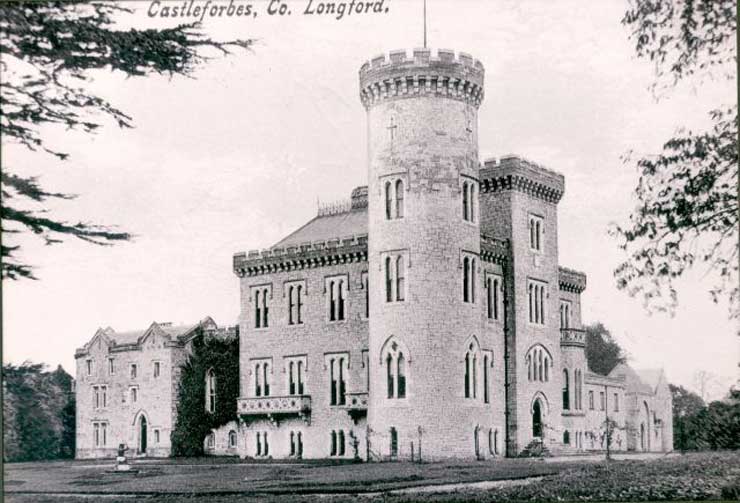
| Castleforbes | The National Built Heritage Service suggests the current Castleforbes House dates from the middle third of the 19th century but incorporating the fabric of its 17th and 18th century predecessors. At the time of Griffiths Valuation in the early 1850s, it was valued at £80. It was occupied by Lady Forbes at that time. It served as the main seat of the Forbes family, Earls of Granard, since the 17th century. In 1906 it was valued at £110. It is still extant. |
|
| Rose Cottage (Clongesh) | John V. Crawford was leasing this property from the Earl of Granard’s estate at the time of Griffiths Valuation in the early 1850s when it was valued at £15. It is labelled as Rose Cottage on all editions of the Ordnance Survey maps. A later house exists at the site. | |
| Lisbrack House [Bishop's House] | In 1837 Lewis noted Lisbrack Cottage as the seat of Verschoyle Crawford. At the time of Griffiths Valuation in the early 1850s, the representatives of George Crawford were leasing this property to James Bell, when it was valued at £15. In 1868 George Crawford and others offered for sale 13 acres at Lisbrack, known as the Cottage holding, in the Landed Estates Court. This holding was occupied at the time by James Bell. The National Built Heritage Service suggests the building on the site now was built in the 1870s with an ecclesiastical purpose but that it replaced an earlier house, possibly known as Lisbrack House. The current building later served as a convent and as a school. | |
| Moneylagan Cottage | In 1837 Lewis referred to Moneylagan as the seat of Dr. Forbes Crawford. At the time of Griffiths Valuation in the early 1850s it was leased by General James Hey from John Crawford when it was valued at almost £14. The 1840 Valuation Office books show a £15 valuation. An altered house is extant at the site now. | |
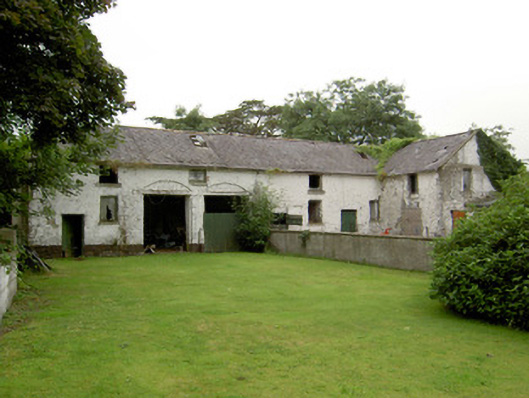
| Currygrane House | In 1837 Lewis noted “Curraghgrane” as the seat of W.L. Galbraith. At the time of Griffiths Valuation in the 1850s, William F. Ryan was leasing this property from the Misses Bond, when it was valued at £20. In 1906 it was valued at over £47 and in the ownership of James Wilson. This was the birthplace of Field Marshal Sir Henry Wilson, Britain’s chief military advisor at the end of WWI, assassinated in London in 1922. Currygrane House was burned a few weeks later and subsequently demolished. Extensive outbuildings remain at the site. |
|
| Garvagh House | At the time of Griffiths Valuation in the 1850s, Robert Grier held this property in fee, when it was valued at £20. In 1837, Lewis had referred to “Lakeview” as the seat of R. Grier. In 1906 James Wilson was recorded as the owner and the property was still valued at £20. It was later demolished. | |
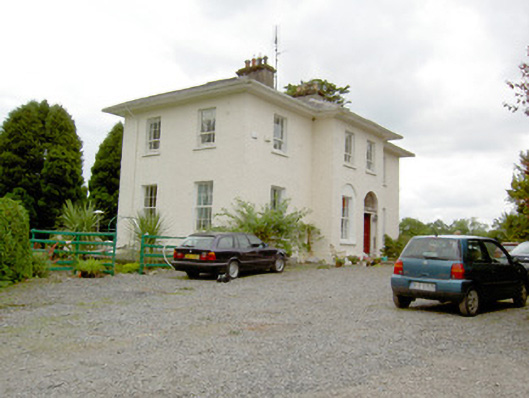
| Vicarsfield | Reverend Theodore O’Moore was leasing this property from Robert Grier at the time of Griffiths Valuation in the early 1850s. It is now known as Vicarsfield House. The National Built Heritage Service suggests it was built in the 1820s. |
|
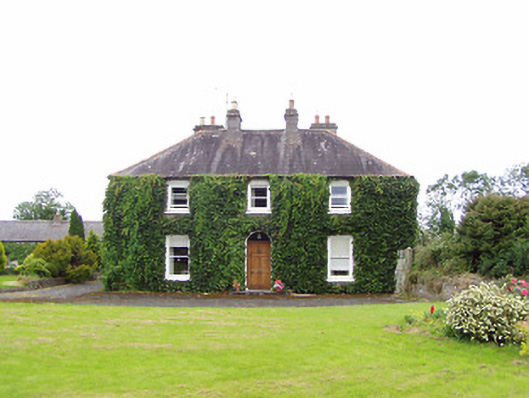
| Williamstown House (Longford) | At the time of Griffiths Valuation in the early 1850s, Williamstown House was leased by William Allen from the Edgeworth estate, when it was valued at £10. A much smaller building appears at the site on the 1st edition Ordnance survey map. The National Built Heritage Service suggests the existing Williamstown was built c.1847. It is still in use. In the 1870s William Allen was recorded as the owner of almost 200 acres in County Longford. |
|
| Frankford House | Reverend Patrick Ratigan was leasing this property from Edward McEvoy’s estate at the time of Griffiths Valuation in the 1850s, when it was valued at £14. It held the same valuation when first valued in 1839. At that time it was occupied by Nathaniel O'Reilly. It is not extant now. | |
| Erne Head | In 1837 Lewis referred to “Kilrea” as the seat of H. Dopping . Henry Dopping held this property in fee at the time of Griffiths Valuation in the 1850s when it was valued at £15. It is labelled Erne Head on the 25-inch Ordnance Survey map of the early 20th century. The house at Culray was the property of Reverend Francis Dopping in 1906 when it had a valuation of almost £18. It is no longer extant. | |
| Woodville (Granard) | Richard Lambert held this property in fee at the time of Griffiths Valuation, when it was valued at £16. In 1839 the Valuation Office books also note Lambert as the occupier of the property which was then valued at £12. The house survived into the twentieth century but is no longer extant. | |
| Knockmartin House | Michael Cody was leasing this property from the Porter estate at the time of Griffiths Valuation in the early 1850s when it was valued at over £12. It is labelled Knockmartin House on the 25-inch OS map of the early 20th century. A later house exists at the site. | |
| Cloonbalt | Hugh Peatton was leasing this property from Reverend Gray Porter at the time of Griffiths Valuation in the early 1860s, when it was valued at £23. In the 1830s the Ordnance Survey Name Books noted it as the seat of Richard Armstrong. In 1837 Lewis referred to “Clonbalt” as te property of the Earl of Belmore. A house is still extant at the site. | |
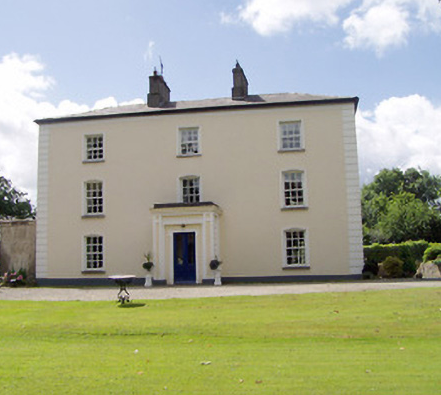
| Viewmount House (Longford) | Edward C. Hill was leasing this property from Francis Hughes at the time of Griffiths Valuation in the early 1850s, when it was valued at £17. It is visible but not labelled on the 1st edition OS map but is shown as Viewmount House on the later 25-inch edition. The Ordnance Survey Name Books described it as 'a good dwelling house with a good kitchen garden' in the mid-1830s. The National Built Heritage Service associates the property with the Cuffe and Pakenham families and dates the original house to the mid-18th century. It has, in the past, been operated as a luxury guesthouse |
|
| Mullagh House (Longford) | The 1906 Untenanted Demesnes survey shows a valuation of almost £13 for buildings in the townland of Mullagh, owned by Miss K.S. frances Cordner. At the time of Griffiths Valuation in the early 1850s this was held in fee by Reverend John Cordner and had a valuation of almost £4. He also held most of remainder of the townland. The Greville estate was the lessor for the remainder. The National Built Heritage Service suggests that Mullagh House, which is now derelict, was built c.1880. | |
| Cloonfin House | John Thompson held this property in fee at the time of Griffiths Valuation in the early 1850s, when it was valued at £40. It has been demolished but a number of estate buildings survive. | |
| Ballygarve | At the time of Griffiths Valuation, in the early 1850s, Christopher Reynolds was leasing this property from Robert Wybrants. The Ordnance Survey Name Books mention a ‘’good farmhouse’’ in the townland of Ballygarve in the 1830s. This property is now derelict. | |
| Bungeggan | The 1906 Untenanted Demesnes survey records a valuation of £12 for this property then in the ownership of Joseph Dooner. At the time of Griffiths Valuation in the early 1850s this was a herd’s house, leased from William Wilson’s estate by Joseph Slevin and valued at almost £3. A stud farm occupies the site now. | |
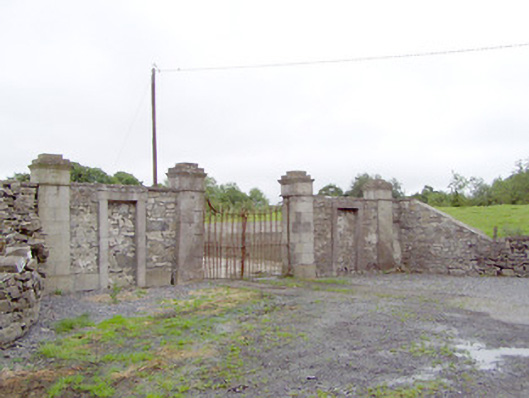
| Newtownbond House | At the time of Griffiths Valuation in the early 1850s, James Auchmuty was leasing Newtownbond House from Henry Montford Bond, when it was valued at over £30. In 1906 it was owned by William Bond and valued at almost £32. It was demolished in the 20th century though estate architecture, including the entrance gates, remain. |
|
| Templemichael Rectory | At the time of Griffiths Valuation in the early 1850s, Reverend John le Poer Trench was leasing this property from the Ecclesiastical Commissioners, when it was valued at £32. The National Built Heritage Service suggests it was built c.1840 on the site of an earlier house. In 1777 Taylor and Skinner indicated that the house at Templemichael was occupied by Dean Ryder. The later house is still extant and in use as a house. | |
| Greenfield House | At the time of Griffiths Valuation in the mid-1850s, this house was vacant though John Lynch was described as the immediate lessor. The house was valued at £12 at the time. The valuers' records from 1840 indicate that it was then occupied by William Biggers and valued at £13. The house is still extant. | |
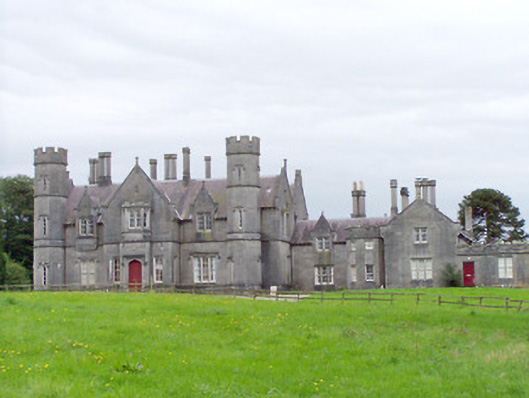
| Carrigglas Manor (Carrickglass) | The National Built Heritage Service notes that the current Carrigglas Manor was built in the mid-19th century close to the site of an earlier Carrickglass House. Leet referred to this earlier house as the seat of Sir T. Newcomen in 1814. At the time of Griffiths Valuation in the early 1850s it was leased from the Provost and fellows of TCD by Thomas Lefroy and valued at £90. The demesne remained in the Lefroy family until c.2005. The house is not currently in use. |
|
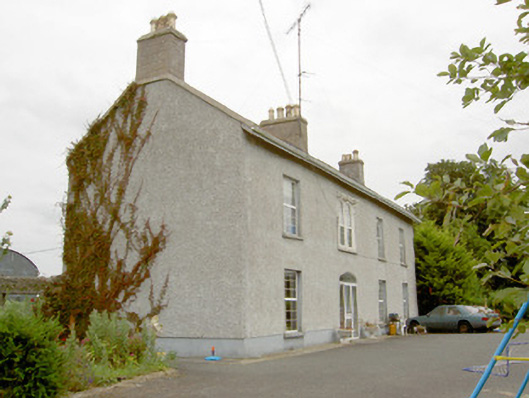
| Lismoy Upper | Mrs. Fitzgerald was leasing this property from the Governors of Mercer’s Hospital at the time of Griffith’s Valuation, in the early 1850s, when it was valued at £18. The National Built Heritage Service suggests that the original house was built in the late 18th century but underwent several modifications in the 19th century. In 1837 Lewis recorded it as the seat of a Reverend J. Mitchell. Leet referred to it as the residence of Reverend Kilner Davidson in 1814. In the 1870s it was noted as an address for “H. Dundas”. It is still extant and occupied. |
|
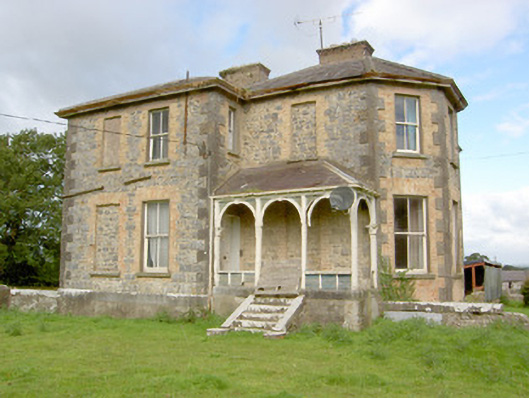
| Corry House | The 1906 record of Untenanted Demesnes records buildings valued at £18 at Corry, parish of Clongesh and barony of Longford. The owner was Colonel H.M.S. Douglas. This property was also part of the Douglas estate at the time of Griffiths Valuation in the early 1850s when it was valued at over £3 and occupied by James Berry. The National Built Heritage Service suggests Corry House was originally built in 1845 but significantly altered in the 1880s. It is still extant. |
|
| Minard House | At the time of Griffiths Valuation in the early 1850s the house at Minard was occupied by George Evers, leasing from the Douglas estate and valued at almost £9. The 1906 Untenanted Demesnes survey records a valuation of £13 for this property when it was still in the possession of the Douglas estate. The Longford Leader reported extensive damage by fire to the house in 2019. | |
| Lismore (Longford) | At the time of Griffiths Valuation in the early 1850s, Thomas Gill appears to have been leasing this property from the Douglas estate when it was valued at £8. In 1906 the buildings were valued almost £17 and it was still held by the Douglas estate. It is still extant. | |
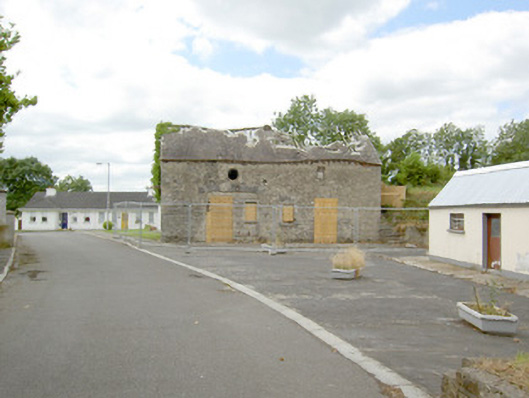
| Ballinalee | Henry Reynolds was leasing this property from Reverend George Moore at the time of Griffiths Valuation in the early 1850s, when it was valued at over £15. It is possibly the building formerly in use as a Masonic Hall in the village and which the National Built Heritage Service suggests was converted to other uses in the 1840s. This building is extant but derelict. |
|
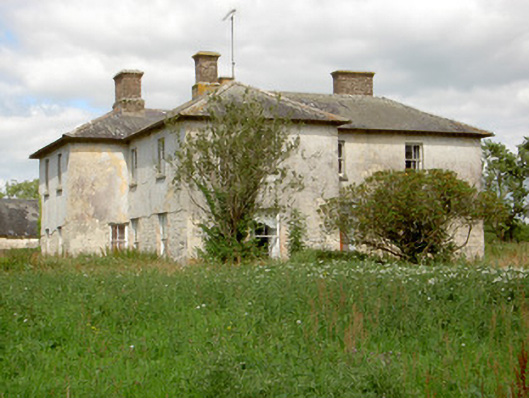
| Carrickmoyragh House | Thomas Gregory was leasing this property from John Jessop’s estate at the time of Griffiths Valuation in the 1850s when it was valued at over £6. The National Built Heritage Service suggests that the current house was built sometime in the mid-19th century. A smaller house is shown at the site on the 1st edition Ordnance Survey map of 1838. A larger property is labelled Carrickmoyragh House on the 25-inch edition of the early 20th century. It is still extant though not in use. |
|
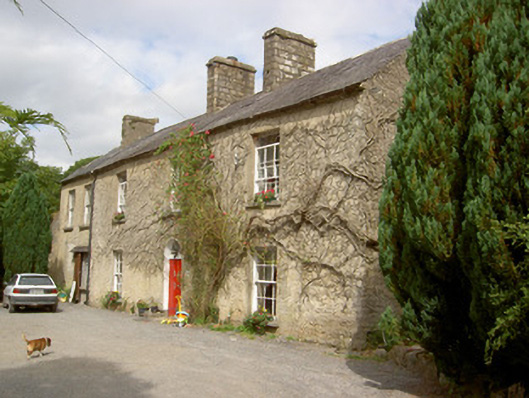
| The Hermitage (Clongesh) | In 1906 Tobias Peyton owned a property at Breanrisk valued at almost £15. This had been the family home of his mother, Frances Ellis. At the time of Griffiths Valuation in the early 1850s it was occupied by Thomas H. Ellis and valued at £8. The National Built Heritage Service suggests the original house dates from c.1780. It is labelled The Hermitage on the 25-inch Ordnance Survey map of the early 20th century, the name by which it is still known. |
|
| Corry House (Ballymahon) | Joseph Allen was leasing this property from the White estate at the time of Griffiths Valuation, when it was valued at £10. The earlier Valuation Office records indicate it was occupied by John Murphy in 1840, with a valuation of £14. The National Built Heritage Service suggests the original house was built c.1845 and modified c.1880. The house is labelled Corry House on the 25-inch edition Ordnance Survey map of the early twentieth century. It is still extant | |
| Whitehill House (Granard) | In 1837 Lewis referred to Whitehill House as the seat of H.B. Slator. At the time of Griffiths Valuation in the 1850s, Henry B. Slator was leasing Whitehill from Mrs. Fearon, when it was valued at £18. It is no longer extant. | |
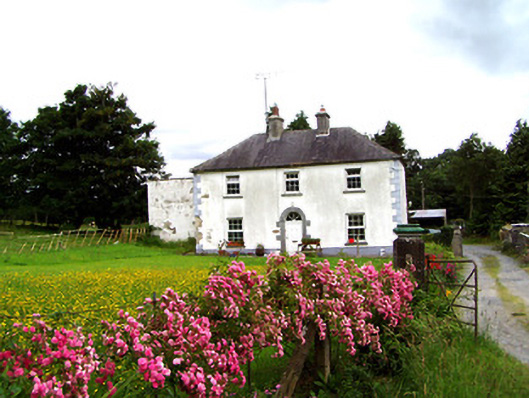
| Farraghroe House | Willoughby Bond held this property in fee at the time of Griffiths Valuation in the early 1850s when it was valued at £55. Lewis had also referred to ‘’Farra’’ as his seat in 1837. In 1905 it was owned by James W. Bond and valued at £67. The house was demolished in the 20th century but much estate architecture, including the Steward’s House, remains. |
|
| Kilmoyle | At the time of Griffiths Valuation in the early 1850s, Alexander McCormick was leasing this property from the estate of Captain W. Bond, when it was valued at £7. The 1906 Untenanted Demesnes survey records a valuation of almost £14 for the property when it was still part of the Bond estate. A modern house and large farm occupy the site now. |