

Ardagh House (Longford)
Houses within 10km of this house
Displaying 51 houses.
Houses within 10km of Ardagh House (Longford)
Displaying 51 houses.
| House name | Description | |
|---|---|---|
| Moatfarrell House | At the time of Griffiths Valuation in the early 1850s, Moatfarrell was leased by William F. Ryan from the estate of Edward Murphy when it was valued at £18. In the early 1840 it had been occupied by Laurence O'Rourke. The National Built Heritage Survey suggests the extensive outbuildings were constructed in the mid-nineteenth century and notes that the property was occupied by the Fegan family in the 1890s. The building is still extant. | |
| Bawn House (Longford) | In 1837 Lewis described Bawn House as the property of Mr. Fox but the seat of Arthur Griffith. The Ordnance Survey Name Books note the occupant as Mr. Babington in the mid-1830s. John Daly was leasing the house from John S. Kirwan’s estate at the time of Griffiths Valuation in the early 1850s when it was valued at almost £19. In 1906 it was the property of Henry B. Armstrong and valued at £13. There is a ruin at the site. | |
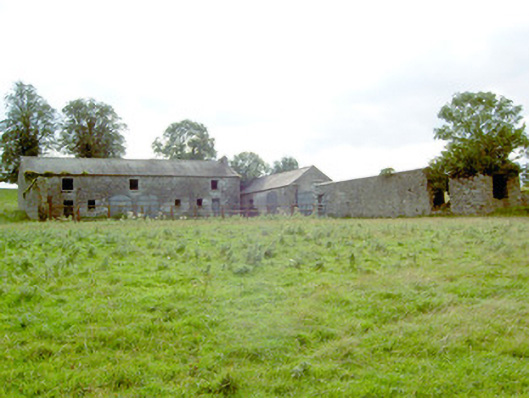
| Mount Jessop | In 1837 Lewis referred to Mount Jessop as the seat of F. Jessop. At the time of Griffiths Valuation in the early 1850s it was leased by the representatives of Thomas Conroy to Henry Crawford, when it was valued at almost £19. This is the same valuation assigned to it by the original Valuation Office books in 1839 when the occupier was John Jessop. The National Built Heritage Service suggests it was demolished c.1980. A substantial stable block and other estate architecture survives. |
|
| Rockspring | In 1837 Lewis referred to Rockspring House as the seat of W. Coates. He was still the occupier recorded in the Valuation Office books in 1840, when the house was valued at almost £9. By the time of Griffith Valuation in the early 1850s the property was being leased by James O’Keeffe from John Cooke. A house is still extant at the site. | |
| Lissard House | John L. O’Farrell was leasing this property from the Adair estate at the time of Griffiths Valuation in the 1850s, when it was valued at £35. In 1837 Lewis noted is as the O’Farrell seat also. Edward O’Farrell is noted as a property owner in Lissard in the Tithe Applotment book in 1825. Lissard survived into the twentieth century but is no longer extant. | |
| Ballinree House {Longford) | Phillip Kiernan was leasing Ballinree House from the Moore O’Farrell estate at the time of Griffiths Valuation, when it was valued at £5. A larger house is shown on the 25-inch Ordnance Survey map of the early 20th century. A house and large farm occupy the site now. This house was associated with the Farrell family in the 18th century as local sources recall "Bonny Pat Farrell" a United Irishman killed at the Battle of Granard in 1798. | |
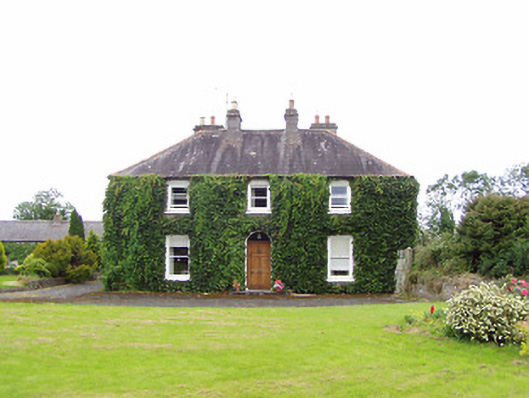
| Williamstown House (Longford) | At the time of Griffiths Valuation in the early 1850s, Williamstown House was leased by William Allen from the Edgeworth estate, when it was valued at £10. A much smaller building appears at the site on the 1st edition Ordnance survey map. The National Built Heritage Service suggests the existing Williamstown was built c.1847. It is still in use. In the 1870s William Allen was recorded as the owner of almost 200 acres in County Longford. |
|
| Manor Mill House | William Cox was leasing this property from the Tuite estate at the time of Griffiths Valuation in the 1850s, when it was valued at £23 and included a mill. It is not labelled on the 1st edition six-inch Ordnance Survey map but appears as Manor Mill on the later 25-inch edition. It is no longer extant. | |
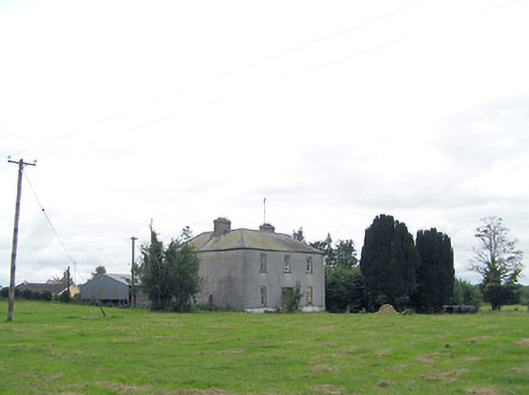
| Lissanure House | Lissanure House is labelled on the 25-inch Ordnance Survey map of the early 20th century. At the time of Griffiths Valuation in the early 1850s, the property at this site was occupied by William Green, leasing from the Tuite estate, when it was valued at £4. The National Built Heritage Service suggests that the current building replaced the earlier house in the 1850s. It is still extant but not used. |
|
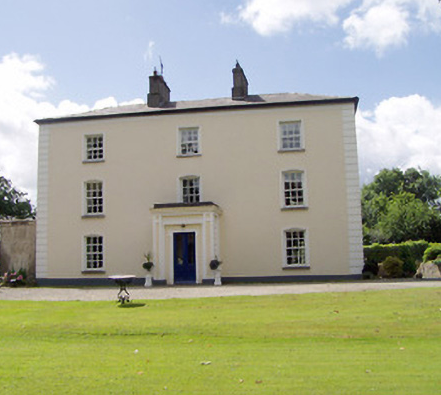
| Viewmount House (Longford) | Edward C. Hill was leasing this property from Francis Hughes at the time of Griffiths Valuation in the early 1850s, when it was valued at £17. It is visible but not labelled on the 1st edition OS map but is shown as Viewmount House on the later 25-inch edition. The Ordnance Survey Name Books described it as 'a good dwelling house with a good kitchen garden' in the mid-1830s. The National Built Heritage Service associates the property with the Cuffe and Pakenham families and dates the original house to the mid-18th century. It has, in the past, been operated as a luxury guesthouse |
|
| Cloonturk | At the time of Griffiths Valuation in the early 1850s, James Shaw was leasing this property for Richard Greville’s estate, when it was valued at £13 and included a mill. It is no longer extant | |
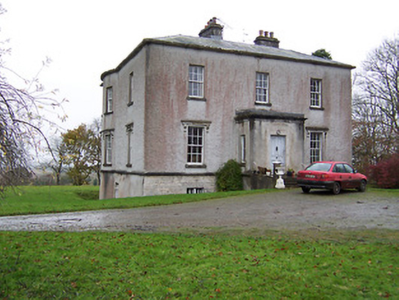
| Rockfield/Cromlyn | A house known as Rockfield (N295657) is named on the first edition OS map at the southern end of Glen Lough. The lands and house were leased to John Crawford by Sir Peter Nugent in 1795. Matthew Crawford was resident in 1814. A later house a short distance to the east was built by the Crawfords in the late 1840s according to the sale rental of 2 December 1862, ‘The house, which is a spacious and well-built mansion erected within the last fifteen years at an expense of upwards of £2,000 … The house contains on the basement-story nine rooms, including kitchen, wine-cellar, scullery etc with every accommodation for servants. There are on the first floor four large reception-rooms, one dressing room, two pantries, bath-room etc. On the second floor, seven commodious and well-proportioned sleeping apartments besides bathrooms etc.’ This house was originally known as Rockfield and was valued at £36 at the time of Griffith’s Valuation (publ. 1854) when occupied by Matthew Crawford. The name of the house may have been changed to ‘Cromlyn’ when it was purchased by Charles John Battersby of Ballinalack in 1862. It is named as Cromlyn on the 25 inch map (circa 1914). The house remained in the possession of the Battersby family well into the 20th century. |
|
| Ballygarve | At the time of Griffiths Valuation, in the early 1850s, Christopher Reynolds was leasing this property from Robert Wybrants. The Ordnance Survey Name Books mention a ‘’good farmhouse’’ in the townland of Ballygarve in the 1830s. This property is now derelict. | |
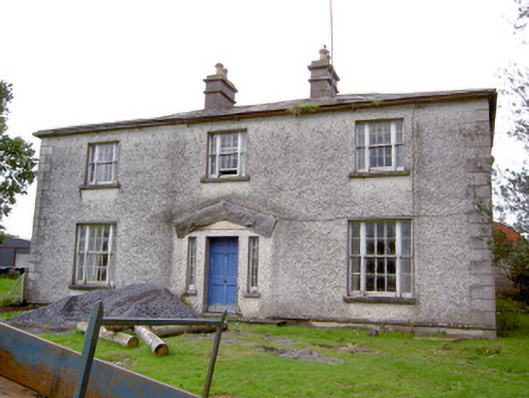
| Danesfort (Moydow) | Reverend Francis Gregg was leasing this property from the Cooke estate at the time of Griffiths Valuation when it was valued at almost £21. In 1777 Taylor and Skinner had recorded the house at "Cranny" as the property of the West family. The house is labelled Danesfort on the 25-inch Ordnance Survey map of the early 20th century. It is still extant but derelict. |
|
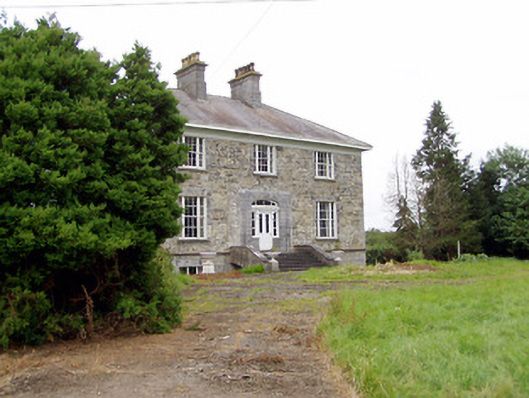
| Oldtown House (Longford) | James and George Sydserffe were leasing this property from the Gregg estate at the time of Griffiths Valuation in the early 1850s, when it was valued at £25. The original Valuation Office books from 1839 had assigned it a valuation of £14. In 1837 Lewis had recorded “Old Bawn” as the seat of Thornton Gregg. The Ordnance Survey Name Books noted that 'it had a large garden and extensive out offices'. Oldtown House is still extant and in use. |
|
| Gorteenboy | James Egan was leasing this property, which included a mill, from William Wilson’s estate at the time of Griffiths Valuation in the 1850s, when it was valued at £20. It is not shown on subsequent Ordnance Survey maps. | |
| Cordivin | At the time of Griffiths Valuation, Reverend Robert Moffett was leasing this property to James Ganley, when it was valued at £14 and included a mill. It is shown on the 1st edition Ordnance Survey map but does not appear on subsequent editions. | |
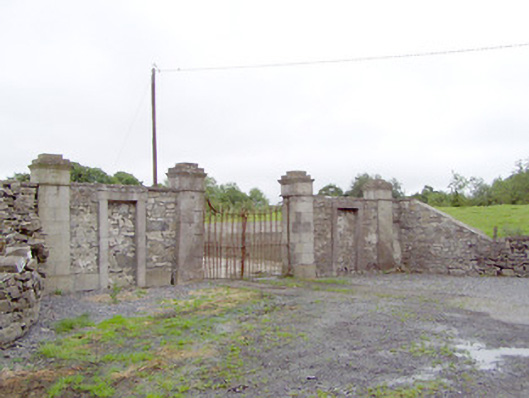
| Newtownbond House | At the time of Griffiths Valuation in the early 1850s, James Auchmuty was leasing Newtownbond House from Henry Montford Bond, when it was valued at over £30. In 1906 it was owned by William Bond and valued at almost £32. It was demolished in the 20th century though estate architecture, including the entrance gates, remain. |
|
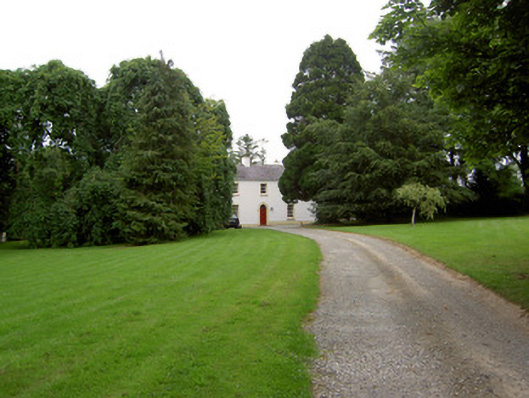
| Castlerea (Longford) | At the time of Griffiths Valuation in the early 1850s, John Bole was leasing Castlerea from the Kirwan estate, when it was valued at £15. In 1837 Lewis had noted Castlerea as the residence of Mrs. Bole. The Ordnance Survey Name Books suggest that the townland was the property of the Jessop estate in the 1830s. The 1906 Untenanted Demesnes report notes it as the property of Charles Webb with a valuation of £15. It is still extant. |
|
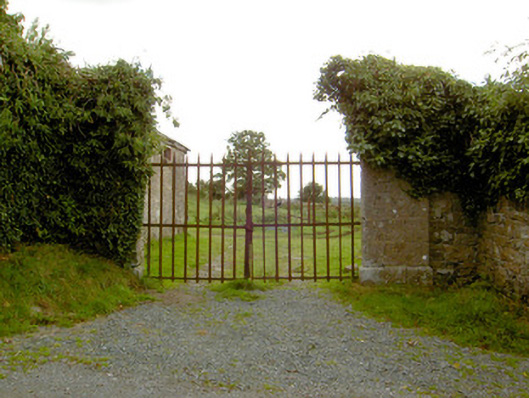
| Park Place | At the time of Griffiths Valuation in the 1850s, Ambrose Bole was leasing Park Place from the Jessop estate, when it was valued at over £27. The National Built Heritage Service dates the remaining walled garden evidence to the late 18th century and suggests that Park Place was the residence of the Moffat family. The Ordnance Survey Name Books of the 1830s note that the demesne was “cultivated by Mr. Robinson, the County Treasurer”. This is likely to be John Robinson, who, according to the Valuation Office Books, was the occupier in 1839, when the house was valued at £16. Family history sources suggest Ambrose Bole was a land agent, who managed the estates of the King-Harman and Shuldham families during the second half of the 19th century. Park Place was demolished in the 20th century but some estate architecture remains. |
|
| Crossea | John O’Byrne [O’Beirne] was leasing this property from the Ecclesiastical Commissioners at the time of Griffiths Valuation in the early 1850s when it was valued at over £10. The original Valuation Office books record a valuation of £12 in 1839. The Ordnance Survey Name Books suggest the townland was in the hands of Reverend Mr. Oliver in the mid-1830s. A large farm is still extant at the site. | |
| Templemichael Rectory | At the time of Griffiths Valuation in the early 1850s, Reverend John le Poer Trench was leasing this property from the Ecclesiastical Commissioners, when it was valued at £32. The National Built Heritage Service suggests it was built c.1840 on the site of an earlier house. In 1777 Taylor and Skinner indicated that the house at Templemichael was occupied by Dean Ryder. The later house is still extant and in use as a house. | |
| Greenfield House | At the time of Griffiths Valuation in the mid-1850s, this house was vacant though John Lynch was described as the immediate lessor. The house was valued at £12 at the time. The valuers' records from 1840 indicate that it was then occupied by William Biggers and valued at £13. The house is still extant. | |
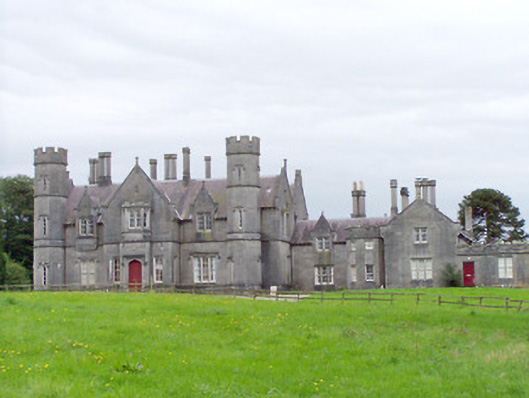
| Carrigglas Manor (Carrickglass) | The National Built Heritage Service notes that the current Carrigglas Manor was built in the mid-19th century close to the site of an earlier Carrickglass House. Leet referred to this earlier house as the seat of Sir T. Newcomen in 1814. At the time of Griffiths Valuation in the early 1850s it was leased from the Provost and fellows of TCD by Thomas Lefroy and valued at £90. The demesne remained in the Lefroy family until c.2005. The house is not currently in use. |
|
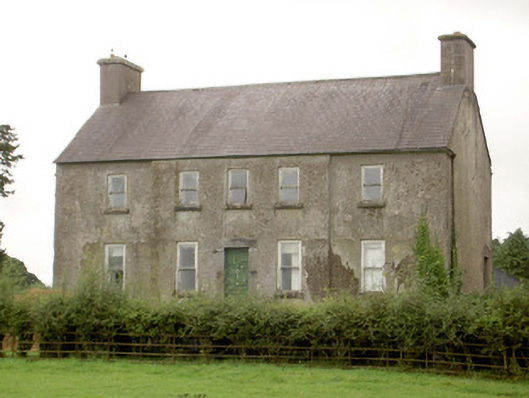
| Glenmore (Moydow) | Noble Armstrong was leasing this property from the King Harman estate at the time of Griffiths Valuation, when it was valued at almost £12. Both Lewis in 1837 and Leet in 1814 referred to it as the seat of Newcomen Armstrong. It is extant but disused. |
|
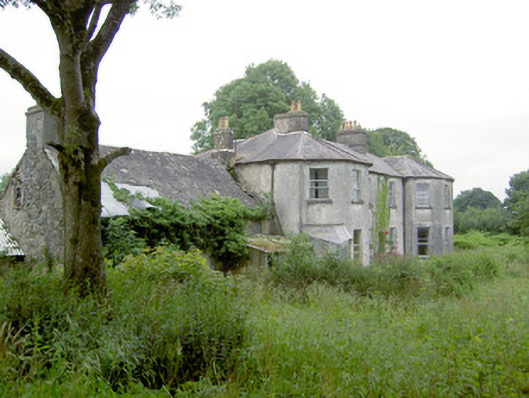
| Moydow Glebe | In 1837 Lewis noted Moydow Glebe as the residence of Reverend Armstrong. At the time of Griffiths Valuation in the 1850s it was held in fee by Reverend William C. Armstrong when it was valued at over £20. The house is extant but disused. |
|
| Drombaun House | In 1837 Lewis referred to Drombawn as the seat of Peyton Johnson. At the time of Griffith’s Valuaton in the 1850s, the property was leased from the Fetherston estate by Henry Dobson and valued over £5. It is recorded as “in ruins” on the 25-inch Ordnance Survey map of the early twentieth century and the site is now occupied by farm buildings. | |
| Corboy (Longford) | At the time of Griffiths Valuation in the 1850s this property was leased by Bridget Phillips from the Fetherston estate and valued at £10. The National Built Heritage Service indicates that the house was later the home of John Philips, the last MP for County Longford. It had later become derelict but redevelopment has taken place at the site. | |
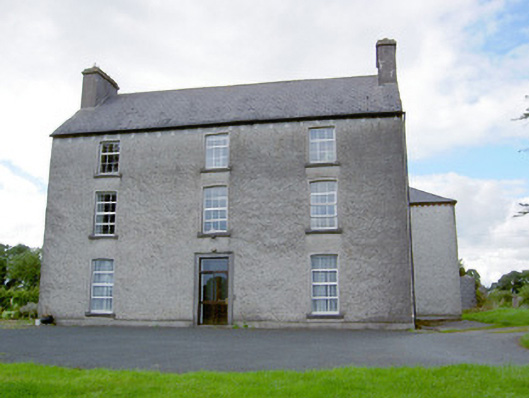
| Colehill (Longford) | The Ordnance Survey Name Books noted that Colonel White was the proprietor of the townland of Colehill. The house of the same name was leased by a Mrs. Power to Captain Robert N. Bolton at the time of Griffiths Valuation in the 1850s, when it was valued at almost £18. The Valuation Office House books of the 1840s record Thomas Lennon as the occupier at that time. The National Built Heritage Service dates the original part of this house to the 1760s with later additions in the mid 19th century. It indicates that the house was associated with the Nugent family. It is still extant and occupied. |
|
| Castlewilder [Cloghdoo House] | Richard P. O’Reilly, MD, held this property in fee at the time of Griffiths Valuation in the early 1850s, when it was valued at £30. On the 1st edition Ordnance Survey map it is labelled Cloghdoo House but as Castlewilder on the 25-inch edition of the early 20th century. The Ordnance Survey Name Books note that the townland at that time (1835) was the property of Mr. Wilder. In 1814 Leet referred to 'Castlewilden' as the seat of John Mangan. The National Built Heritage Service suggests the house and its complex of estate buildings was built in the 18th century but modified in the 1880s. |
![Photo of Castlewilder [Cloghdoo House]](https://landedestates.ie/storage/img/orig/3403.png)
|
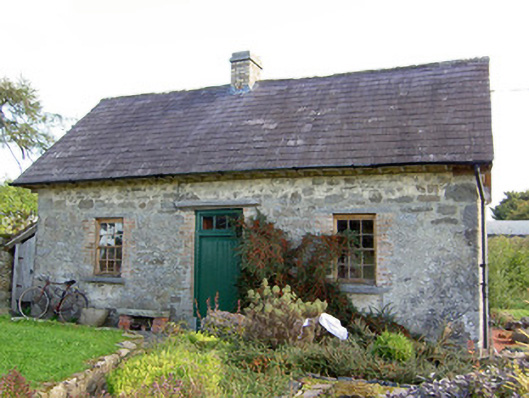
| Lislea House (Ballymahon) | Lislea House was leased by Elizabeth Bickerstaff from the Smyth estate at the time of Griffiths Valuation in the early 1850s, when it was valued at £12. In 1837 Lewis noted it as the seat of J.C. Bickerstaff. It is still extant. Datestones on the estate buildings suggest two phases of development at the site, in the 1820s and the 1860s. Elizabeth Bickerstaff was the owner of over 350 acres in County Longford in the 1870s |
|
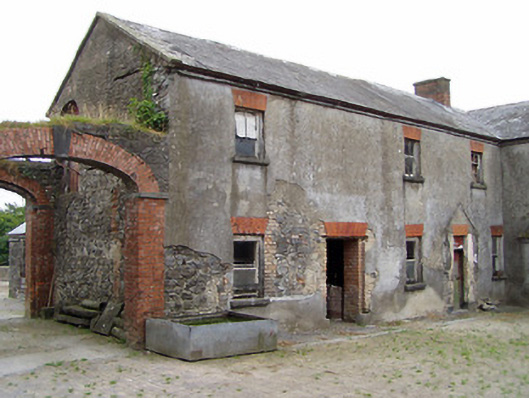
| Foxhall (Ballymahon) | Richard M. Fox held this property in fee at the time of Griffiths Valuation in the 1850s, when it was valued at £40. The original valuation also noted it as his property in 1839 with a valuation of £39. In 1906 it was owned by the representatives of R.E. Fox. The Ordnance Survey Name Books mention that the demesne contained 38 acres of woodland in the mid-1830s. Leet referred to it as the residence of Richard Fox in 1814. The National Built Heritage Service suggests that the house at Foxhall was demolished in 1946. Estate architecture, including the stables, survives |
|
| Newtown House [Newtown Lodge] | Robert Hagerty was leasing this property from the Fox estate at the time of Griffiths Valuation in the early 1850s. The house at the site is labelled Newtown Lodge on the 1st edition Ordnance Survey map. The Ordnance Survey Name Books referred to this as a 'farm house' in the 1830s. A different house at the site is named as Newtown House on the later editions, the name by which it is still known. The National Built Heritage Service suggests the original house was built c.1810. It is extant and well-maintained. |
![Photo of Newtown House [Newtown Lodge]](https://landedestates.ie/storage/img/orig/3406.png)
|
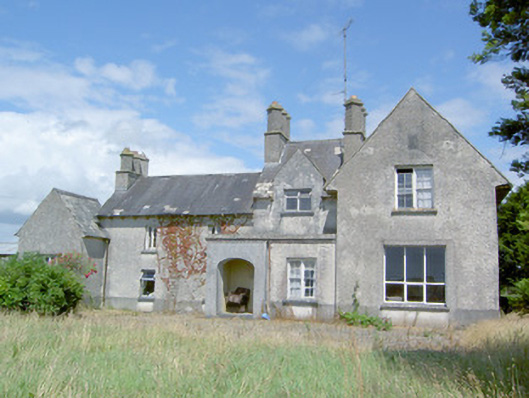
| Sleehaun House | This property is not shown on the 1st edition OS map but is labelled Sleehaun Ho on the 25-inch edition of the early 20th century. It was occupied by Michael Ledwidge at the time of Griffiths Valuation in the early 1850s when it was valued at £13 and leased from the Fox estate. The National Built Heritage Service suggests it was built c.1850. It is still extant. |
|
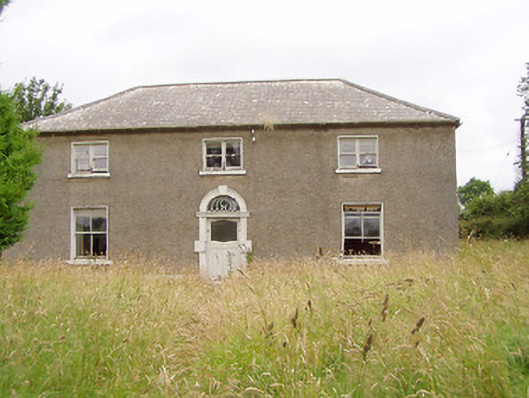
| Treel House | William Atkinson was occupying Treel House at the time of Griffiths Valuation in the 1850s, when it and the adjacent mill were valued at £28. The National Built Heritage Service suggests the house was built c.1830. In 1839 the original Valuation Books, however, stated that at that time no house in the townland had a valuation of greater than £5 suggesting that Treel House was enlarged after that date. The Ordnance Survey Name Books noted in 1835 that the townland was then the property of Mr. Fox. Treel is still extant though not in use. |
|
| Whitehill House (Granard) | In 1837 Lewis referred to Whitehill House as the seat of H.B. Slator. At the time of Griffiths Valuation in the 1850s, Henry B. Slator was leasing Whitehill from Mrs. Fearon, when it was valued at £18. It is no longer extant. | |
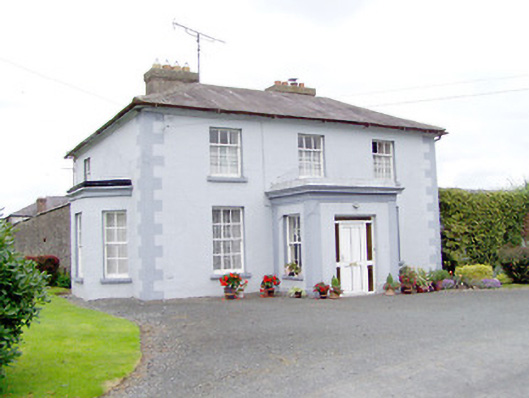
| Toneen | Captain Geoffrey Power was leasing this property from the Slator estate at the time of Griffiths Valuation in the early 1850s, when it was valued at over £13. In 1837 Lewis referred to “Towend” as the seat of “Jeffrey Keating Power”. The extant house at Toneen dates from the later 19th century. |
|
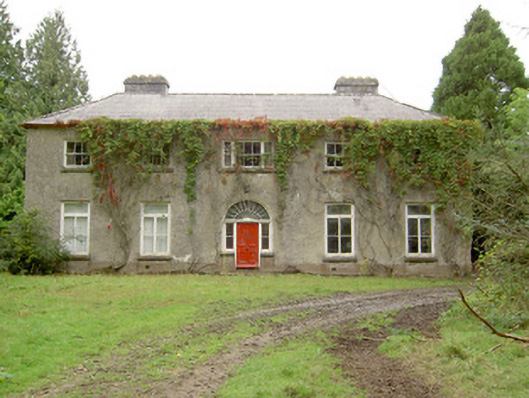
| Lisglassock House | At the time of Griffiths Valuation in the early 1850s, Grace Robinson held this property in fee when it was valued at almost £25. In 1837 Lewis referred to it as the seat of J.R. Robinson. The National Built Heritage Service suggests this house was built c.1810 and that it was associated with the Robinson family throughout the 18th and 19th centuries. In 1906 it owned by John Robinson. It is still extant. In recent years it has been sympathetically renovated and offers guest accommodation. |
|
| Knockagh House [Hermitage] | Francis Kenny was leasing this property from the Robinson estate at the time of Griffiths Valuation in the early 1850s, when it was valued at almost £12. On the 1st edition Ordnance Survey map it is labelled Hermitage. The Ordnance Survey Name Books refer to “the gentleman’s seat called Hermitage in this townland”. On the 25-inch edition of the early 20th century it is labelled “Knockagh House – in ruins”. | |
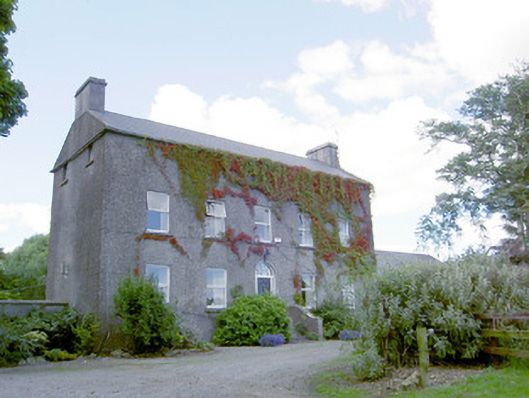
| Richmount Hill | John Higgins, MD, was leasing this property from Jane Richardson’s estate at the time of Griffiths Valuation in the 1850s, when it was valued at over £15. In 1814 Leet referred to it as the seat of Auchmuty Richardson. The National Built Heritage Service suggests that this house was built c.1720. It is still extant and occupied. |
|
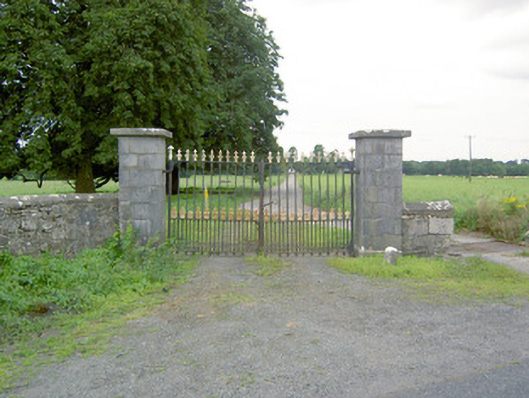
| Richfort | James A. Richardson held this property in fee at the time of Griffiths Valuation in the early 1850s when it was valued at £15. Lewis had referred to Richfort as the seat of J.A. Richardson in 1837. In 1814 Leet noted it as the residence of Arthur Richardson. The house was demolished in the 20th century but the entrance gates remain. |
|
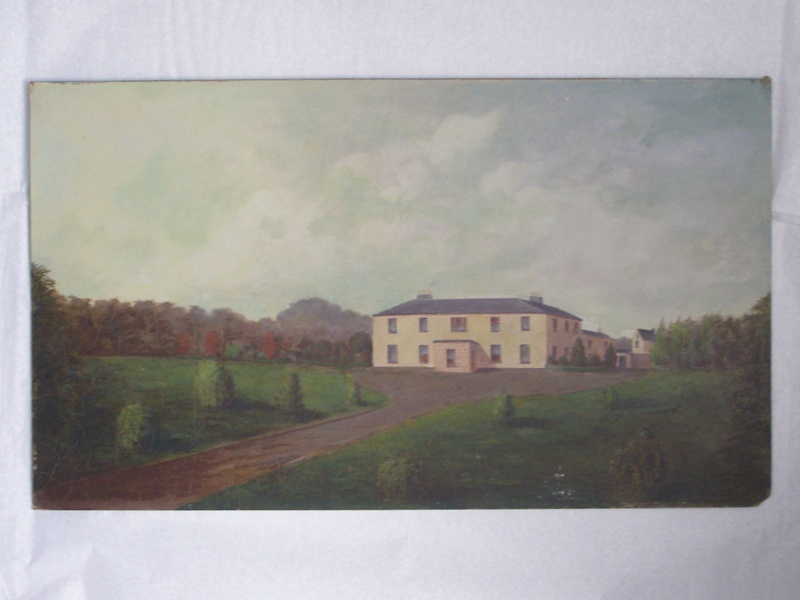
| Corrabola House | Hugh Morrow was leasing this property from the Jessop estate at the time of Griffiths Valuation in the 1850s, when it was valued at £28. Lyons records the sale of the house and estate in the Landed Estates Court in 1861. The schedule notes that it had been built by Morrow about 20 years previously and provides a good description of the house and demesne. The interest was purchased by the Jessop estate. The sale notice includes a lithograph of the house. A painting of this house, attributed to Arthur Morrow, is held in a New Zealand collection, where members of the Morrow family emigrated to in the 1860s. This house later features as the address of Thomas Alder Cusack, a Dublin solicitor who managed the Jessop estate. |
|
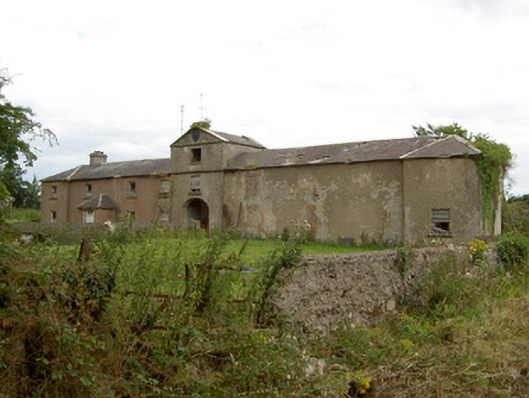
| Doory Hall | Doory Hall was the residence of F.T. Jessop at the time of Griffiths Valuation in the 1850s, when it was valued at £50. The National Built Heritage Service suggests that the current ruined property dates from the 1820s but that it replaced an earlier dwelling at the site. In 1906 it was owned by Louisa Jessop and still valued at £50. The remains of a large number of ancillary estate buildings area also visible at the site. |
|
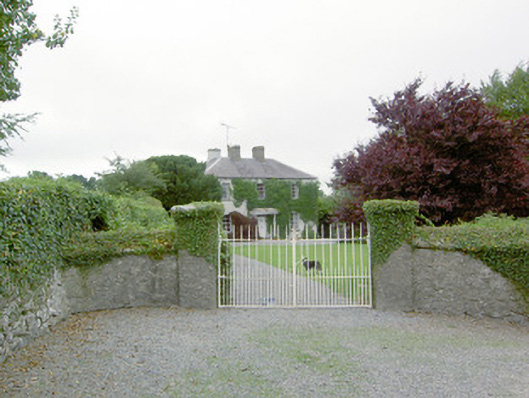
| Torboy House | Phillip McCutcheon was leasing Torboy from Colonel Palliser’s estate from at least the early 1840s, as shown in the Valuation Office House books. At the time of Griffiths Valuation in the early 1850s the house was valued at over £12. The Landed Estates Court sale notice of 1862 indicates Philip McCutcheon had renewed his lease on this property in 1848. Torboy House is still extant and occupied. |
|
| Monascallaghan House | This property was described as a herd’s house belonging to the Palliser estate at the time of Griffiths Valuation in the early 1850s, when it was valued at £2 5s. The Ordnance Survey Name Books noted that the townland was part of the Jessop estate. In 1906 it was the property of Dr. J. McCutcheon and valued at almost £3. A house is still extant at the site. | |
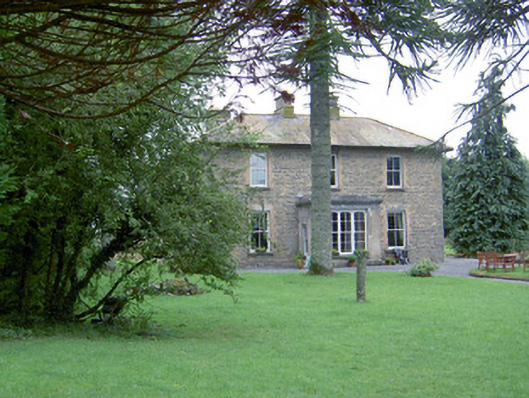
| Laurel Lodge (Ballymahon) | At the time of Griffith’s Valuation in the 1850s, the property at this site was described as a herd’s house with a value of £4. It was occupied by Edward Phillips, leasing from the King Harman estate. A larger house was later erected on the site and is still extant. |
|
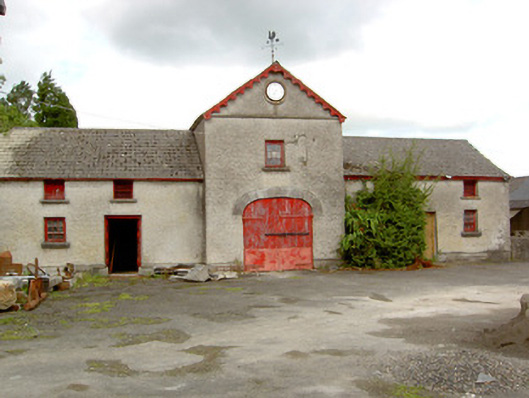
| Sunfield House | George Gamerson was leasing this property from the King Harman estate in the 1850s when it was valued at £12. The valuers' original valuation, which also includes a description of all buildings on the site, was over £20. The house is not named on the 1st edition OS map but is labelled Sunfield House on the 25” ed. A substantial farm occupies the site including the original buildings |
|
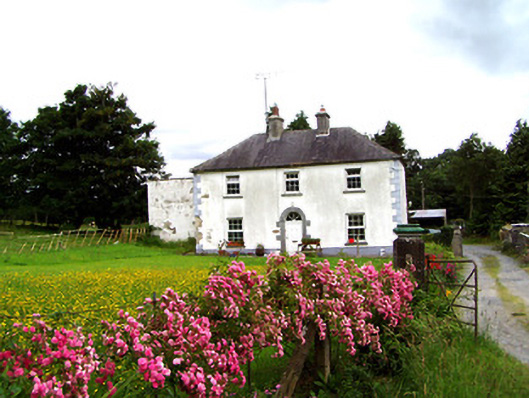
| Farraghroe House | Willoughby Bond held this property in fee at the time of Griffiths Valuation in the early 1850s when it was valued at £55. Lewis had also referred to ‘’Farra’’ as his seat in 1837. In 1905 it was owned by James W. Bond and valued at £67. The house was demolished in the 20th century but much estate architecture, including the Steward’s House, remains. |
|
| Kilmoyle | At the time of Griffiths Valuation in the early 1850s, Alexander McCormick was leasing this property from the estate of Captain W. Bond, when it was valued at £7. The 1906 Untenanted Demesnes survey records a valuation of almost £14 for the property when it was still part of the Bond estate. A modern house and large farm occupy the site now. | |
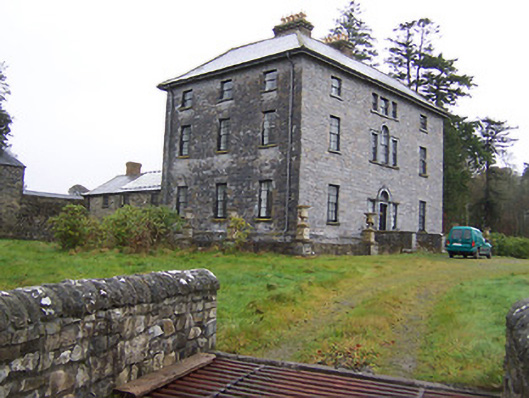
| Newpass | Griffiths Valuation notes the owners of Newpass as Elizabeth Westby and the representatives of Sir. G. Fetherson. Elizabeth Westby was the wife of William Westby and the daughter of George B. Whitney of Newpass. The house was unoccupied in the early 1850s and valued at £35. The National Inventory of Architectural Heritage suggests it was built c.1775 by the Whitney family, probably on the site of an earlier house. Taylor and Skinner noted it as a Whitney property in 1777. O'Brien states that Colonel Whitney first purchased the Newpass estate in 1670. In 1906 it was owned by Major E. Henry Fetherston Whitney and valued at £43. It is still extant. The estate also owned property in the nearby village of Rathowen. |
|
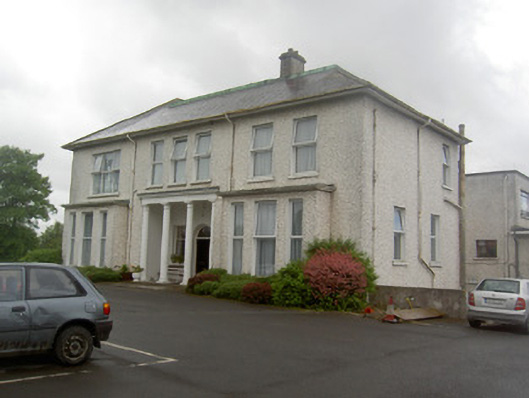
| Edgeworthstown House | The Edgeworth family had been settled at Edgeworthstown in the parish of Mostrim, County Longford, since the 17th century. At the time of Griffiths Valuation in the 1850s, Fanny Edgeworth was leasing the property from Charles Edgeworth, when it was valued at £45. [It is likely that Fanny was his stepmother} The National Built Heritage Service suggests the present building began in 1725 but had several rounds of modifications subsequently. In more recent years it has served as a health care facility. |
|