

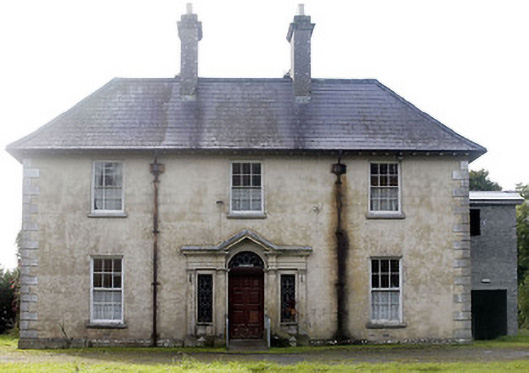
Lismacmorrough House
Houses within 5km of this house
Displaying 16 houses.
Houses within 5km of Lismacmorrough House
Displaying 16 houses.
| House name | Description | |
|---|---|---|
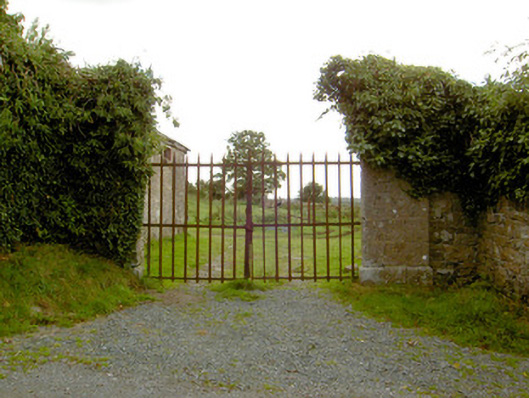
| Park Place | At the time of Griffiths Valuation in the 1850s, Ambrose Bole was leasing Park Place from the Jessop estate, when it was valued at over £27. The National Built Heritage Service dates the remaining walled garden evidence to the late 18th century and suggests that Park Place was the residence of the Moffat family. The Ordnance Survey Name Books of the 1830s note that the demesne was “cultivated by Mr. Robinson, the County Treasurer”. This is likely to be John Robinson, who, according to the Valuation Office Books, was the occupier in 1839, when the house was valued at £16. Family history sources suggest Ambrose Bole was a land agent, who managed the estates of the King-Harman and Shuldham families during the second half of the 19th century. Park Place was demolished in the 20th century but some estate architecture remains. |
|
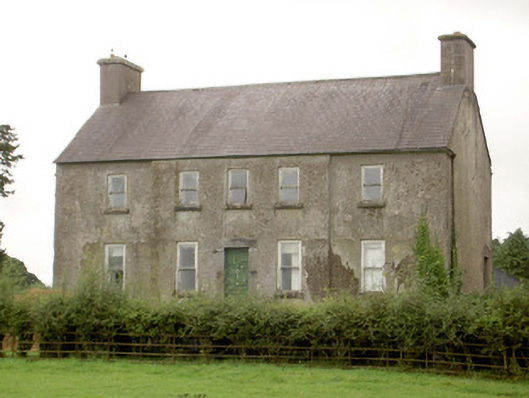
| Glenmore (Moydow) | Noble Armstrong was leasing this property from the King Harman estate at the time of Griffiths Valuation, when it was valued at almost £12. Both Lewis in 1837 and Leet in 1814 referred to it as the seat of Newcomen Armstrong. It is extant but disused. |
|
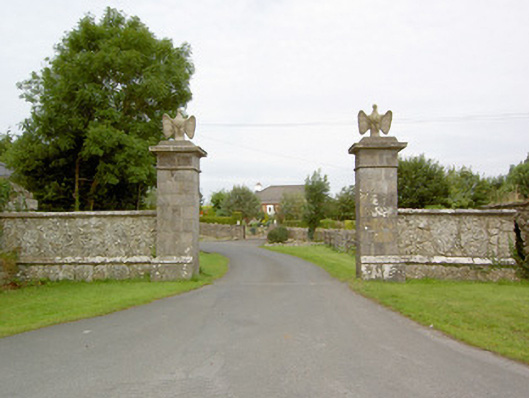
| Mosstown (Ballymahon) | At the time of Griffiths Valuation, in the 1850s, this property was leased by Arthur Kingston from the King-Harman estate. The property was valued at £30 with a mill valued at £50. Lewis referred to Mosstown as the seat of Arthur Kingston in 1837. Mosstown has been demolished but the ruins of the mill and some estate architecture remains. |
|
| Knappoge House | Robert Wallace was listing this property from Colonel Henry White’s estate at the time of Griffiths Valuation in the early 1850s, when it was valued at over £10. A house is extant at the site but may not be original. | |
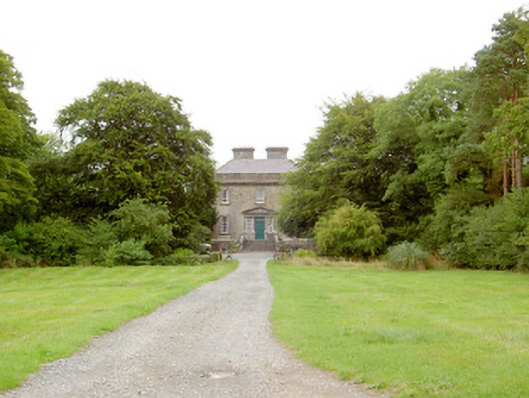
| Ledwithstown House | In 1837 Lewis referred to Ledwithstown House as the seat of W. Ledwith. Leet's Directory referred to it as the residence of Richard Dillon in 1814. By the time of Griffiths Valuation in the 1850s, it was held in fee by Edward Ledwith and valued at £15. The National Built Heritage Service suggests it was built c.1745 and was possibly designed by Richard Castle. It is still extant. In the 20th century it had become derelict but has been refurbished |
|
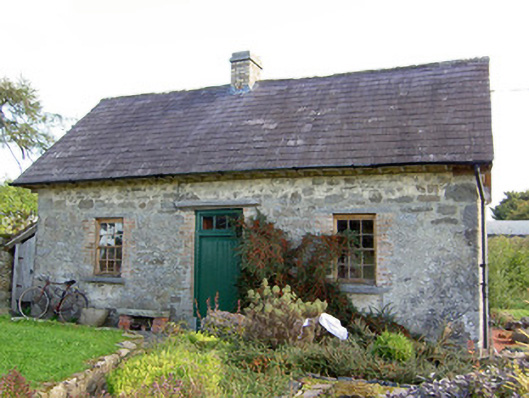
| Lislea House (Ballymahon) | Lislea House was leased by Elizabeth Bickerstaff from the Smyth estate at the time of Griffiths Valuation in the early 1850s, when it was valued at £12. In 1837 Lewis noted it as the seat of J.C. Bickerstaff. It is still extant. Datestones on the estate buildings suggest two phases of development at the site, in the 1820s and the 1860s. Elizabeth Bickerstaff was the owner of over 350 acres in County Longford in the 1870s |
|
| Ballymulvey House | John Shuldham was the owner of an extensive milling complex, valued at £35, at Ballymulvey at the time of Grffiths Valuation in the early 1850s. In 1837 Lewis had also referred to Ballymulvey as a seat of the Shuldham family. The property is labelled Ballymulvey House on the 1st edition OS map but “in ruins” on the 25” edition of the early 20th century when the woollen factory is located nearby. Some ruins of this complex remain at the site. | |
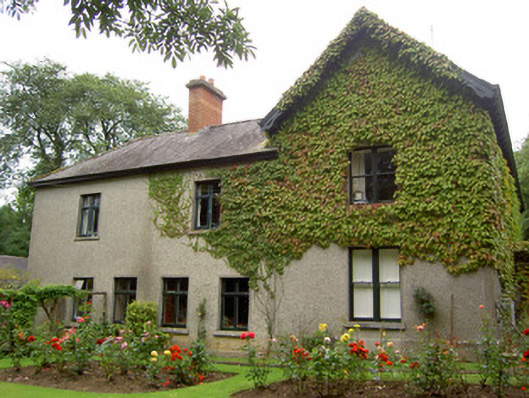
| Antely Cottage | A property labelled Antely Cottage is visible on the 25-inch OS map of the early 20th century. At the time of Griffiths Valuation, in the early 1850s, Robert de Ricci, MD, was leasing lands in this area from the Shuldham estate. The National Built Heritage Service suggests that Antely Cottage evolved from an earlier, possibly 1760s structure on the site. It is still extant and occupied. |
|
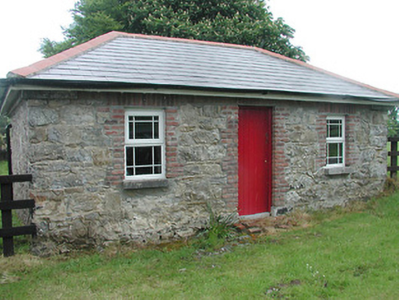
| Moygh House | John Shuldham held this property in fee at the time of Griffiths Valuation, when it was valued at £35. In 1837 Lewis referred to Moigh as the seat of M. Shuldham. It is labelled Moygh House on all OS editions. It is still extant. |
|
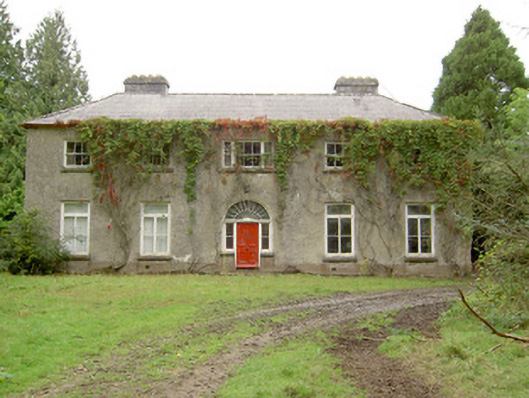
| Lisglassock House | At the time of Griffiths Valuation in the early 1850s, Grace Robinson held this property in fee when it was valued at almost £25. In 1837 Lewis referred to it as the seat of J.R. Robinson. The National Built Heritage Service suggests this house was built c.1810 and that it was associated with the Robinson family throughout the 18th and 19th centuries. In 1906 it owned by John Robinson. It is still extant. In recent years it has been sympathetically renovated and offers guest accommodation. |
|
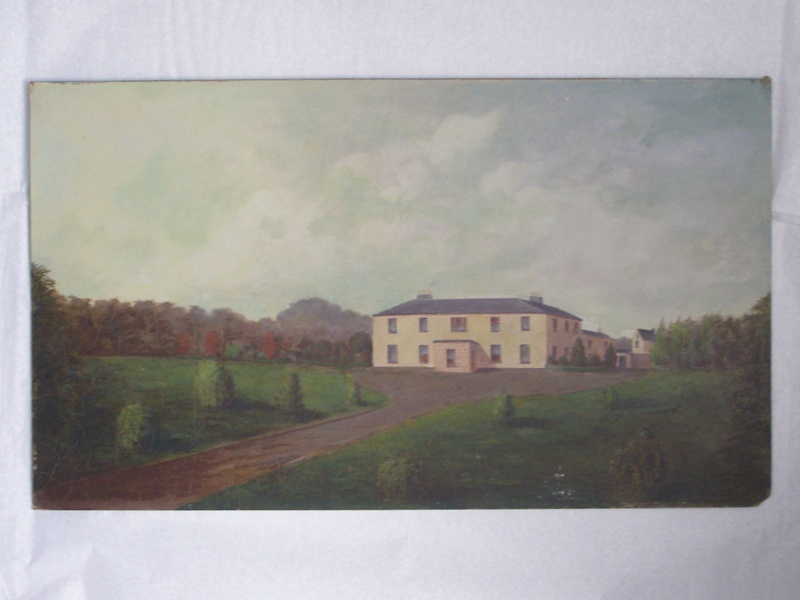
| Corrabola House | Hugh Morrow was leasing this property from the Jessop estate at the time of Griffiths Valuation in the 1850s, when it was valued at £28. Lyons records the sale of the house and estate in the Landed Estates Court in 1861. The schedule notes that it had been built by Morrow about 20 years previously and provides a good description of the house and demesne. The interest was purchased by the Jessop estate. The sale notice includes a lithograph of the house. A painting of this house, attributed to Arthur Morrow, is held in a New Zealand collection, where members of the Morrow family emigrated to in the 1860s. This house later features as the address of Thomas Alder Cusack, a Dublin solicitor who managed the Jessop estate. |
|
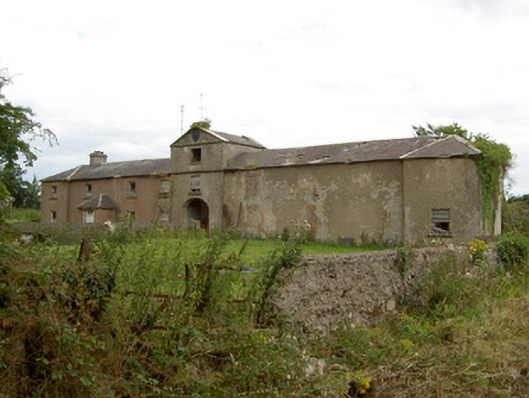
| Doory Hall | Doory Hall was the residence of F.T. Jessop at the time of Griffiths Valuation in the 1850s, when it was valued at £50. The National Built Heritage Service suggests that the current ruined property dates from the 1820s but that it replaced an earlier dwelling at the site. In 1906 it was owned by Louisa Jessop and still valued at £50. The remains of a large number of ancillary estate buildings area also visible at the site. |
|
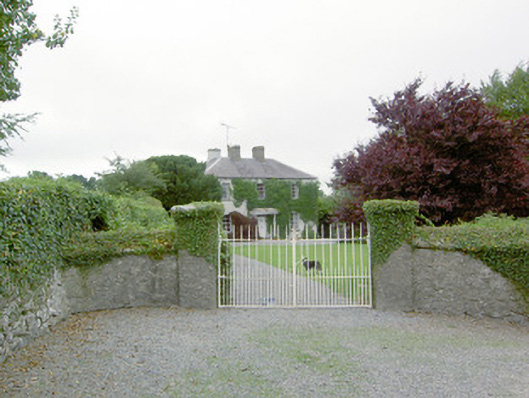
| Torboy House | Phillip McCutcheon was leasing Torboy from Colonel Palliser’s estate from at least the early 1840s, as shown in the Valuation Office House books. At the time of Griffiths Valuation in the early 1850s the house was valued at over £12. The Landed Estates Court sale notice of 1862 indicates Philip McCutcheon had renewed his lease on this property in 1848. Torboy House is still extant and occupied. |
|
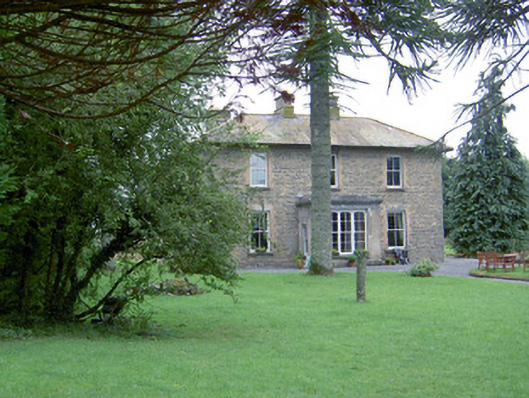
| Laurel Lodge (Ballymahon) | At the time of Griffith’s Valuation in the 1850s, the property at this site was described as a herd’s house with a value of £4. It was occupied by Edward Phillips, leasing from the King Harman estate. A larger house was later erected on the site and is still extant. |
|
| Laurel Lodge (Shrule) | Thomas Hussey was occupying this property at the time of Griffiths Valuation in the 1850s, when it was valued at just over £10. In 1838 the original Valuation Office books noted the occupant as Edward Nugent. The Ordnance Survey name books of the mid 1830s state that the townland was part of the Ledwith estate. The house is not named on the 1st edition OS map but is labelled Laurel Lodge on the 25” map of the early 20th century. It is now a ruin. | |
| Castlecore/Castlecor House (Ballymahon) | The National Built Heritage Service suggests that the original building at Castlecore was built as a hunting lodge in the mid 18th century by a member of the Harman family from Newcastle House. It underwent several changes and additions during the 19th century. Between the 1830s and the 1850s it was in the hands of Thomas Hussey and at the time of Griffiths Valuation, it was valued at £10. Hussey advertised it for sale in the Encumbered Estates Court in 1855, when it was described as 'of a peculiarly convenient construction, built about 50 years at a cost of £4000'. The 'Freeman's Journal' reported that it was sold for over £6000. By the 1870s it was the seat of John Bond. In 1906 Castlecore was owned by Emily C. Clarke and valued at £44 10s. It is named as Castlecor House on the 1st edition Ordnance Survey map but as Castlecore House on the later 25-inch edition. It is still extant. |
|