

Corboy (Longford)
Houses within 5km of this house
Displaying 11 houses.
Houses within 5km of Corboy (Longford)
Displaying 11 houses.
| House name | Description | |
|---|---|---|
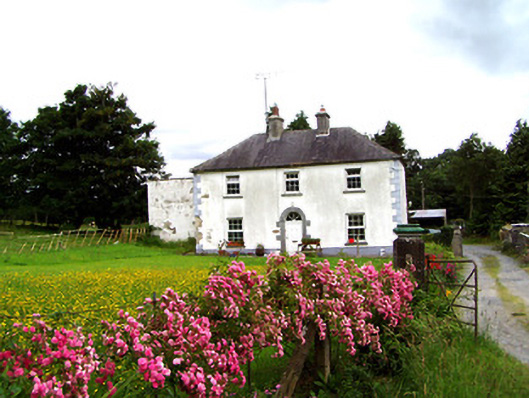
| Moatfarrell House | At the time of Griffiths Valuation in the early 1850s, Moatfarrell was leased by William F. Ryan from the estate of Edward Murphy when it was valued at £18. In the early 1840 it had been occupied by Laurence O'Rourke. The National Built Heritage Survey suggests the extensive outbuildings were constructed in the mid-nineteenth century and notes that the property was occupied by the Fegan family in the 1890s. The building is still extant. | |
| Ballinree House {Longford) | Phillip Kiernan was leasing Ballinree House from the Moore O’Farrell estate at the time of Griffiths Valuation, when it was valued at £5. A larger house is shown on the 25-inch Ordnance Survey map of the early 20th century. A house and large farm occupy the site now. This house was associated with the Farrell family in the 18th century as local sources recall "Bonny Pat Farrell" a United Irishman killed at the Battle of Granard in 1798. | |
| Ballygarve | At the time of Griffiths Valuation, in the early 1850s, Christopher Reynolds was leasing this property from Robert Wybrants. The Ordnance Survey Name Books mention a ‘’good farmhouse’’ in the townland of Ballygarve in the 1830s. This property is now derelict. | |
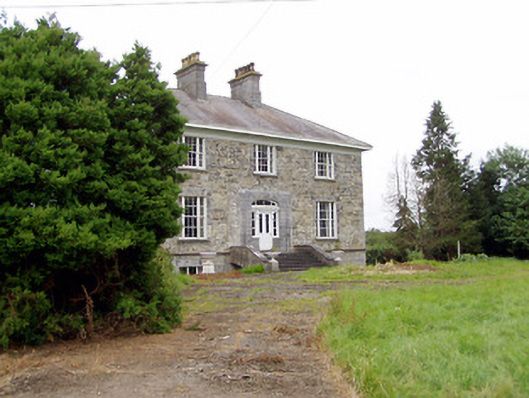
| Oldtown House (Longford) | James and George Sydserffe were leasing this property from the Gregg estate at the time of Griffiths Valuation in the early 1850s, when it was valued at £25. The original Valuation Office books from 1839 had assigned it a valuation of £14. In 1837 Lewis had recorded “Old Bawn” as the seat of Thornton Gregg. The Ordnance Survey Name Books noted that 'it had a large garden and extensive out offices'. Oldtown House is still extant and in use. |
|
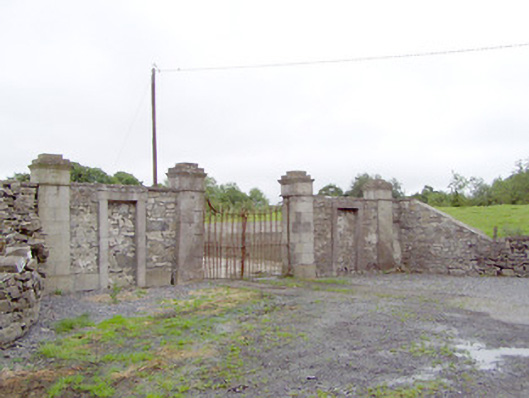
| Newtownbond House | At the time of Griffiths Valuation in the early 1850s, James Auchmuty was leasing Newtownbond House from Henry Montford Bond, when it was valued at over £30. In 1906 it was owned by William Bond and valued at almost £32. It was demolished in the 20th century though estate architecture, including the entrance gates, remain. |
|
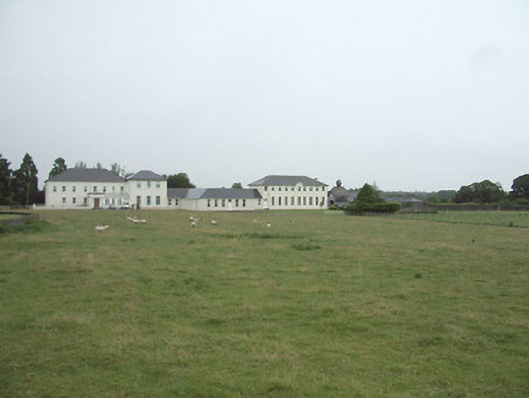
| Ardagh House (Longford) | In 1837 Lewis had identified Ardagh House as the property of G.R. Fetherston. In 1814 Leet recorded it as the seat of Sir T. Fetherston, MP. At the time of Griffiths Valuation in the 1850s it was owned by his representatives and valued at £46. The National Built Heritage Service suggests the house was built c.1730 and altered twice in the nineteenth century. It was partially damaged by fire in 1922 and again in 1948. In the later twentieth century it served as a domestic economy training facility operated by the Mercy Sisters. Together with numerous estate buildings it is still extant though not currently in use. |
|
| Drombaun House | In 1837 Lewis referred to Drombawn as the seat of Peyton Johnson. At the time of Griffith’s Valuaton in the 1850s, the property was leased from the Fetherston estate by Henry Dobson and valued over £5. It is recorded as “in ruins” on the 25-inch Ordnance Survey map of the early twentieth century and the site is now occupied by farm buildings. | |
| Whitehill House (Granard) | In 1837 Lewis referred to Whitehill House as the seat of H.B. Slator. At the time of Griffiths Valuation in the 1850s, Henry B. Slator was leasing Whitehill from Mrs. Fearon, when it was valued at £18. It is no longer extant. | |
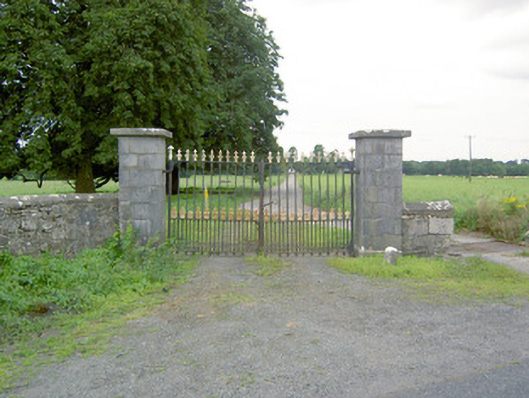
| Richfort | James A. Richardson held this property in fee at the time of Griffiths Valuation in the early 1850s when it was valued at £15. Lewis had referred to Richfort as the seat of J.A. Richardson in 1837. In 1814 Leet noted it as the residence of Arthur Richardson. The house was demolished in the 20th century but the entrance gates remain. |
|
| Farraghroe House | Willoughby Bond held this property in fee at the time of Griffiths Valuation in the early 1850s when it was valued at £55. Lewis had also referred to ‘’Farra’’ as his seat in 1837. In 1905 it was owned by James W. Bond and valued at £67. The house was demolished in the 20th century but much estate architecture, including the Steward’s House, remains. |
|
| Kilmoyle | At the time of Griffiths Valuation in the early 1850s, Alexander McCormick was leasing this property from the estate of Captain W. Bond, when it was valued at £7. The 1906 Untenanted Demesnes survey records a valuation of almost £14 for the property when it was still part of the Bond estate. A modern house and large farm occupy the site now. |