

Kilshruley House
Houses within 5km of this house
Displaying 6 houses.
Houses within 5km of Kilshruley House
Displaying 6 houses.
| House name | Description | |
|---|---|---|
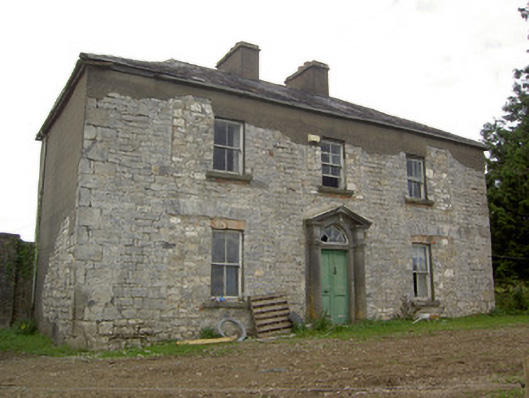
| Ballinlough House | Thomas Gosslin was the immediate lessor of Ballinlough House at the time of Griffiths Valuation in the early 1850s, when it was valued at £18. In 1814 Leet referred to it as the residence of J.C. Irwin. In 1835 the Valuation Office books mention Edward Irwin as the occupier. The building is still extant but no longer in use. |
|
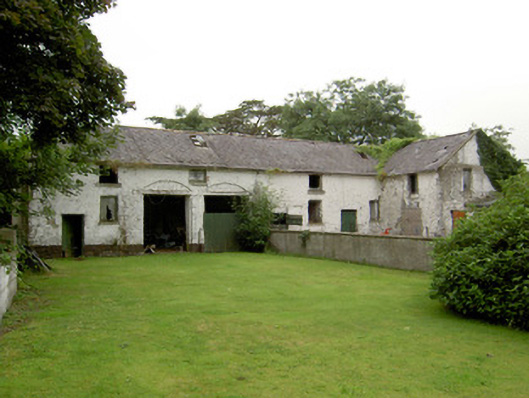
| Currygrane House | In 1837 Lewis noted “Curraghgrane” as the seat of W.L. Galbraith. At the time of Griffiths Valuation in the 1850s, William F. Ryan was leasing this property from the Misses Bond, when it was valued at £20. In 1906 it was valued at over £47 and in the ownership of James Wilson. This was the birthplace of Field Marshal Sir Henry Wilson, Britain’s chief military advisor at the end of WWI, assassinated in London in 1922. Currygrane House was burned a few weeks later and subsequently demolished. Extensive outbuildings remain at the site. |
|
| Garvagh House | At the time of Griffiths Valuation in the 1850s, Robert Grier held this property in fee, when it was valued at £20. In 1837, Lewis had referred to “Lakeview” as the seat of R. Grier. In 1906 James Wilson was recorded as the owner and the property was still valued at £20. It was later demolished. | |
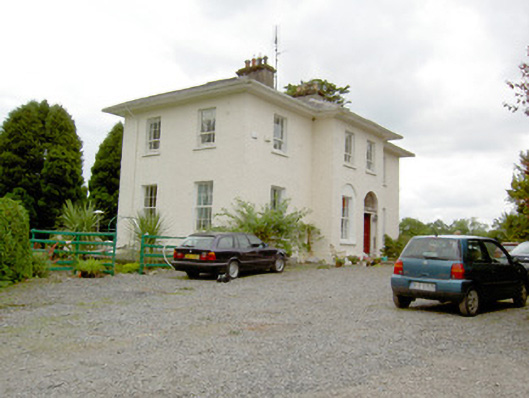
| Vicarsfield | Reverend Theodore O’Moore was leasing this property from Robert Grier at the time of Griffiths Valuation in the early 1850s. It is now known as Vicarsfield House. The National Built Heritage Service suggests it was built in the 1820s. |
|
| Cloonfin House | John Thompson held this property in fee at the time of Griffiths Valuation in the early 1850s, when it was valued at £40. It has been demolished but a number of estate buildings survive. | |
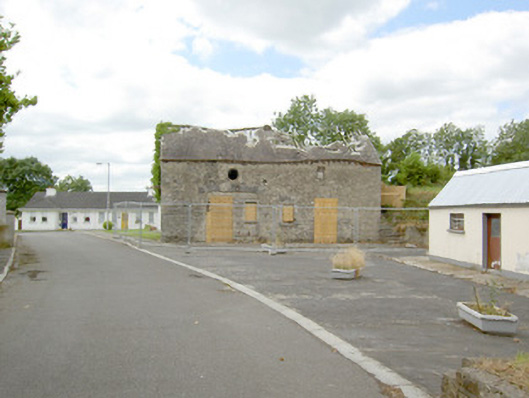
| Ballinalee | Henry Reynolds was leasing this property from Reverend George Moore at the time of Griffiths Valuation in the early 1850s, when it was valued at over £15. It is possibly the building formerly in use as a Masonic Hall in the village and which the National Built Heritage Service suggests was converted to other uses in the 1840s. This building is extant but derelict. |
|