

Ballyorney House
Houses within 10km of this house
Displaying 25 houses.
Houses within 10km of Ballyorney House
Displaying 25 houses.
| House name | Description | |
|---|---|---|
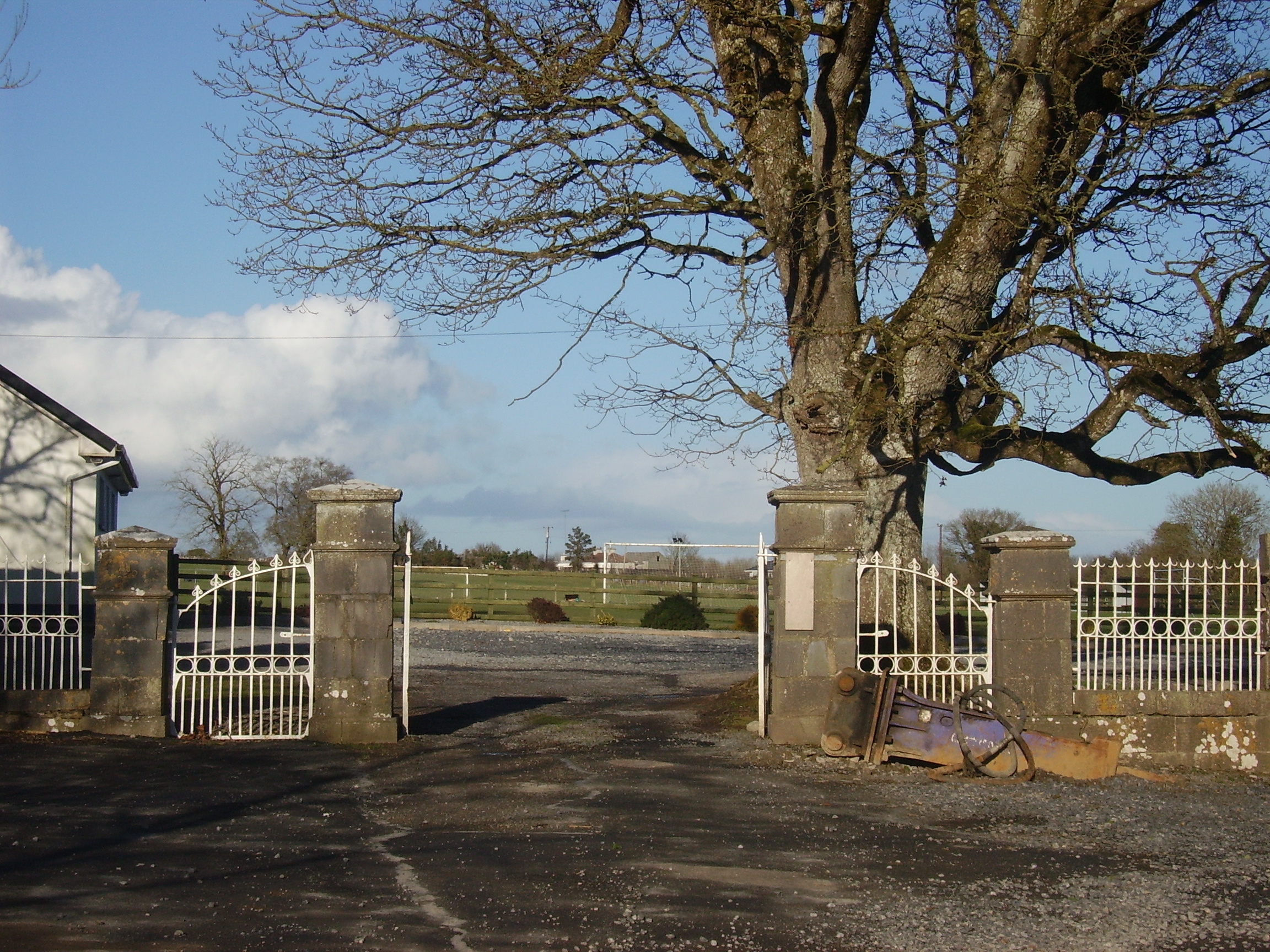
| Mountplunkett | Built in 1806 by George Plunkett and home of the Plunkett family until the mid 19th century when it became the property of Patrick Grehan. Described in the Crotty sale rental of 1851 as a 'superb mansion' repaired by Mr Crotty at a cost of upwards of £2,000. Grehan held the house, valued at £30, in fee, at the time of Griffith's Valuation. Samuel Richard Prosser lived in Mount Plunkett in the 1860s. The entrance gates are still in use but only walls remain of the house and outbuildings. Robert Adamson was apparently living at Mount Plunkett in the 1870s. |
|
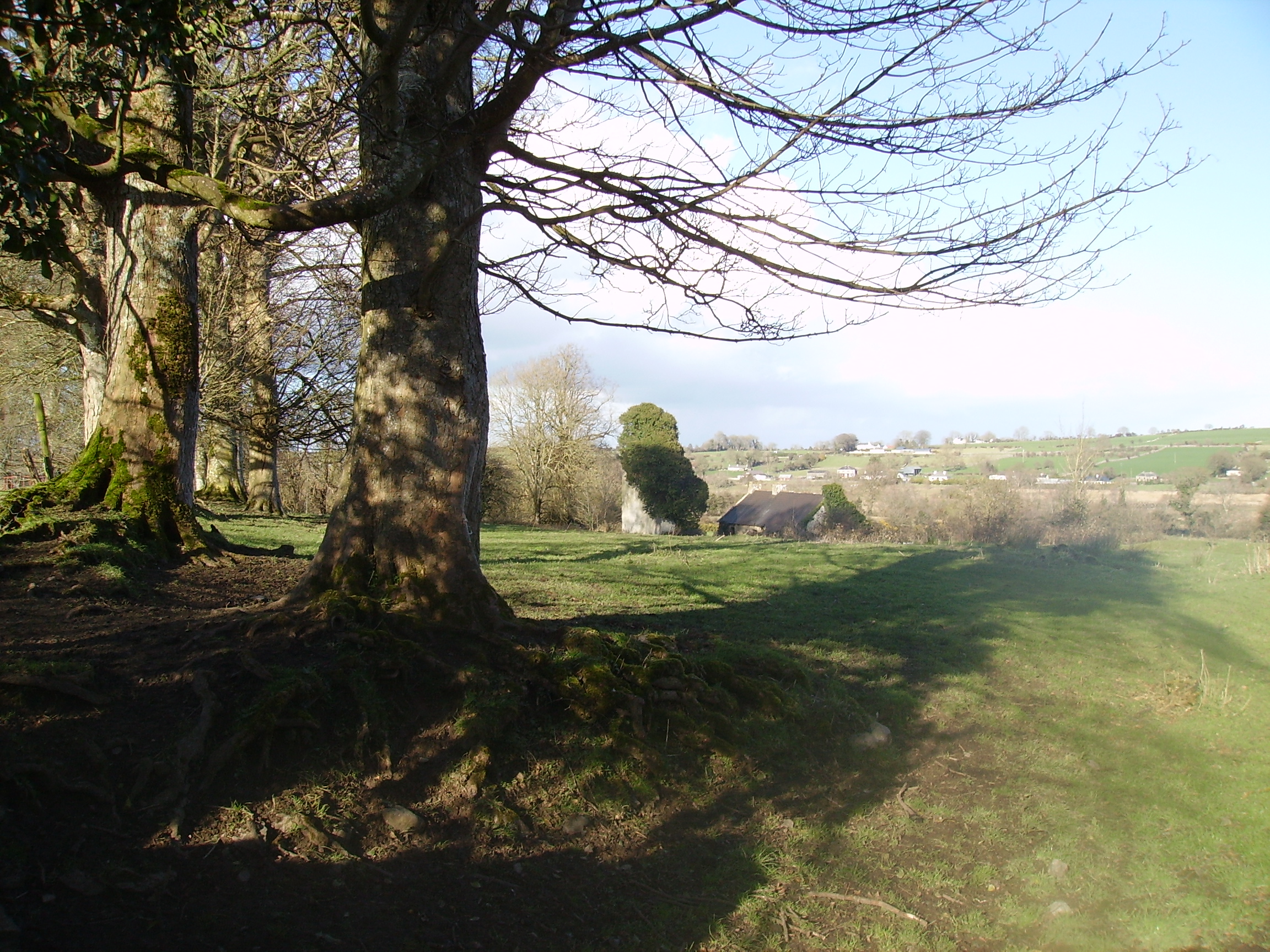
| Churchboro | Occupied by Edward Kelly in 1814, E. Kelly in 1837 and by Patrick Grehan at the time of Griffith's Valuation. The house is no longer extant. |
|
| New Park | A Lyster home from the early 18th century, inherited by the Smyths of Barbaville through marriage. Held in fee and valued at £38 at the time of Griffith's Valuation. The home of Marcus Anthony Levinge in 1906. The house remained in Levinge hands until about the 1940s when the roof was removed. In the early 1970s the house was restored as a hotel by Paddy Kenny. |

|
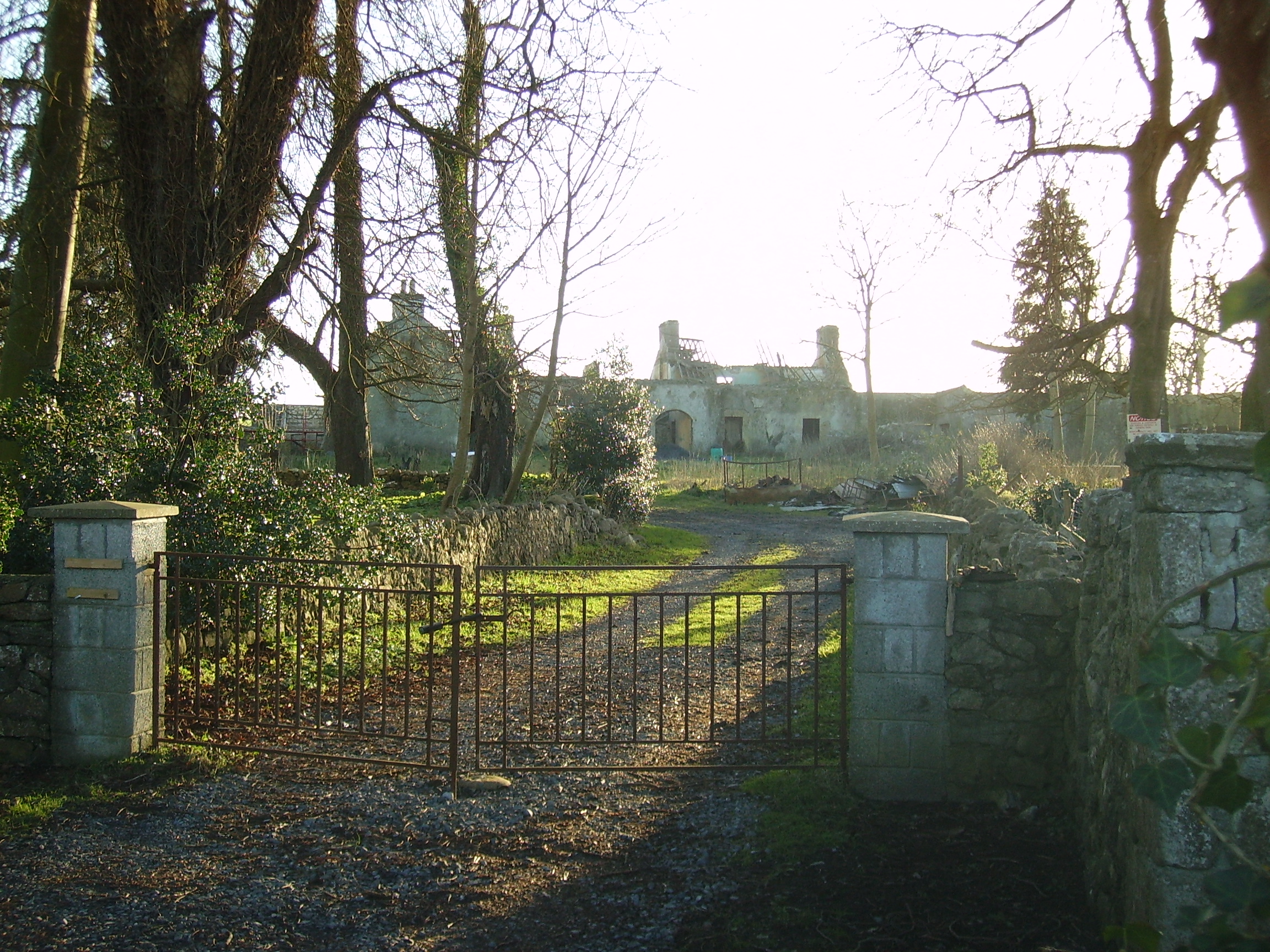
| Kiltoom | Crofton Kelly bought or acquired the Kiltoom property where he built a house in the mid 18th century. Occupied by Thomas H. Strevens who held a number of townlands from Sarah Kelly at the time of Griffith's Valuation and left to him at her death. Kiltoom remained a Strevans home until the 1970s, now a derelict building. |
|
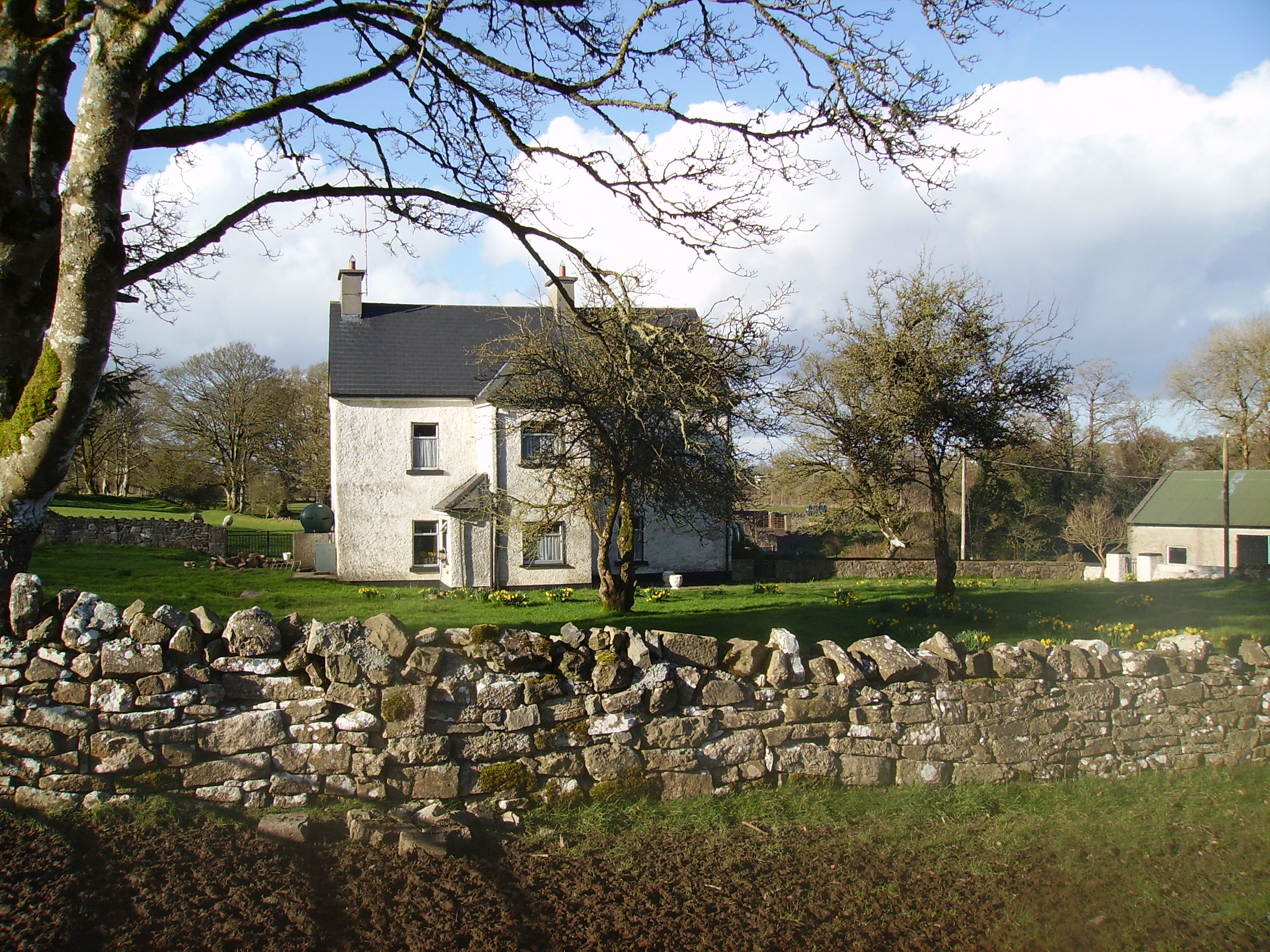
| Kellybrook | Wilson records this house as a Kelly residence in 1786. The seat of Denis Kelly in the 1830s and of Jane Kelly in the 1850s who held the property from Esther Dillon and the representatives of Maria Boswell. The house was valued at £3. Still occupied by a family named Kelly. |
|
| Carrownure House | In the mid 1850s valued at £20 and owned by Richard Bond in fee, who advertised it for sale in 1856. Described as a modern edifice on the shore of Lough Ree. The sale rental includes a lithograph. Bought by Bernard William Bagot in 1858 from Edward John Irwin. Sold by the Bagots to Samuel Auchmuty in 1903. Owned by the Auchmutys in the 20th century and known as Carnure House. |

|
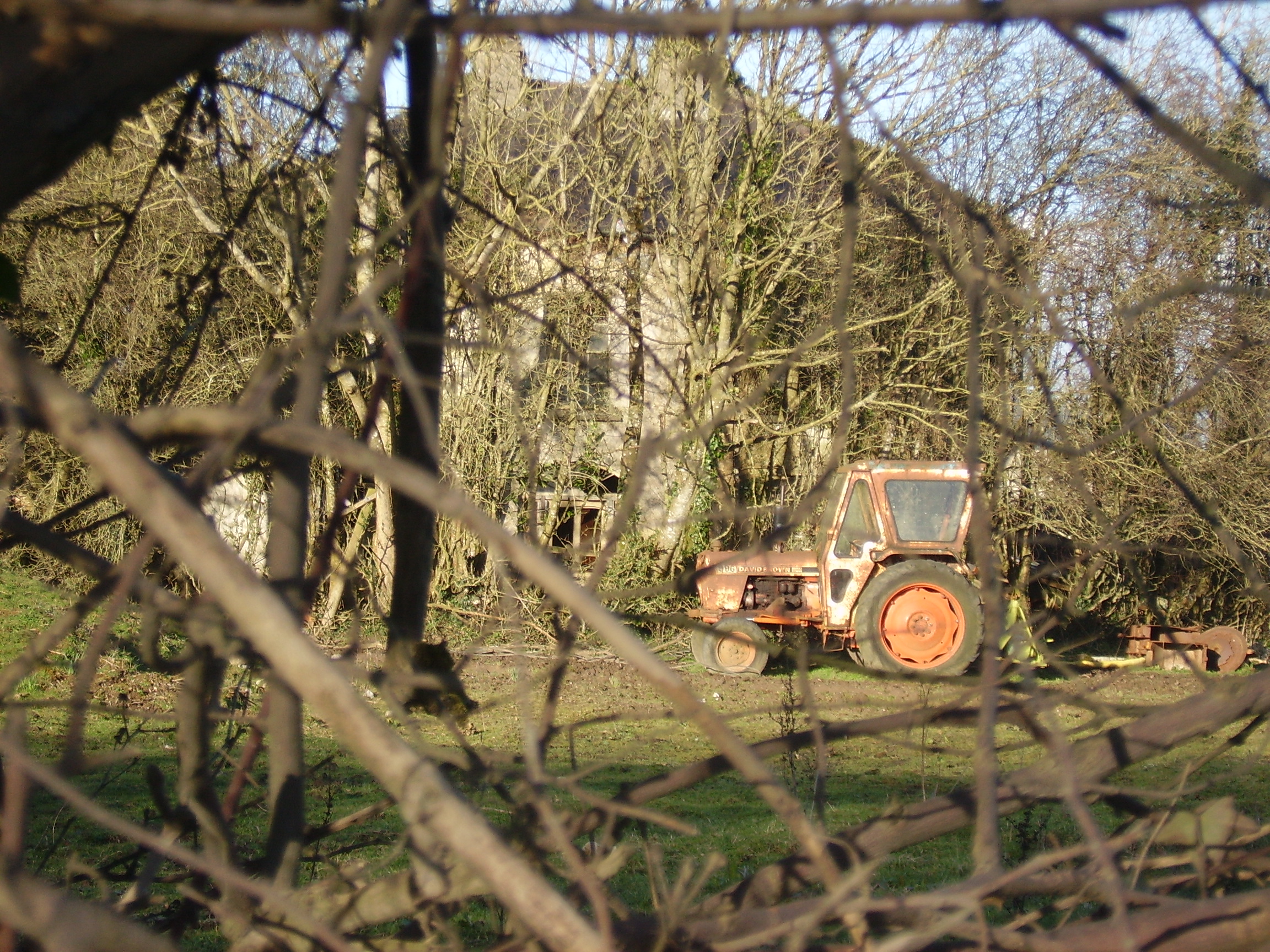
| Galeybeg | Occupied by Mr Bart Purdue in 1814 and in the 1830s described as a gent's seat belonging to Mr Bond with a neat demesne attached. The sale rental of 1856 states that it was built by the Reverend James Bond. In the 1850s held by Richard Bond in fee from the Court of Chancery and described as a herd's house with office. The home of Benjamin Greene in 1906. Occupied until the late 20th century, now derelict. |
|
| Gort | A home of the O'Kellys in the mid 18th century. Occupied by "Doyle esquire" in 1778 and 1786 and by Simon J. Dowell in 1814. The house is labelled Gort on the 1st edition Ordnance Survey map but is not named on the 25-inch edition of the 1890s. The townland was in the possession of Elizabeth Dowell at the time of Griffith's Valuation when she was leasing a house valued at £4 10s to Michael Kelly. Some ruins exist at the site now. | |
| Johns Port | The residence of Maurice Hodson in 1814 and at the time of Griffith's Valuation held by John Hodson in fee. It is no longer extant. | |
| Johns Port House | At the time of Griffith's Valuation owned by Alexander Gunning in fee and valued at £10. Labelled Johnsport House on the 1st edition Ordnance Survey map and as St. John's House on the later 25-inch edition of the 1890s. It is still extant and offers guest accommodation. See www.stjohnshouse.biz. |

|
| Kilmore | Originally a Shaen property which passed by marriage to the Carters. A house and 4 acres were leased by Sir Arthur Shaen to William Hartly on 3 Aug 1706 (see sale rental 1855). In 1749, 1778 and 1786 it was occupied by the Waller family. The house was a ruin by the 1830s. | |
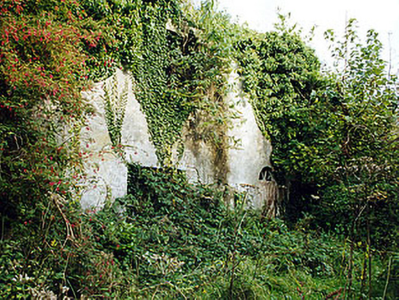
| The Lodge | The Lodge on Hare island was a hunting/fishing lodge built c 1814 for William Handcock, 1st Lord Castlemaine of Moydrum to designs by Sir Richard Morrison (1767 - 1849), having a veranda supported on cast-iron pillars to the entrance front (boi). In 1837 Lewis describes it as a ‘Beautiful cottage’ belonging to Lord Castlemaine. On Hare Island he engaged in fishing, shooting and boating on Lough Ree and hosted many social events on the island during the first half of the nineteenth century. In 1906 the buildings on Hare Island were valued at £18, occupied by Lord Castlemaine who held 110 acres of untenanted land there. It is now derelict. |
|
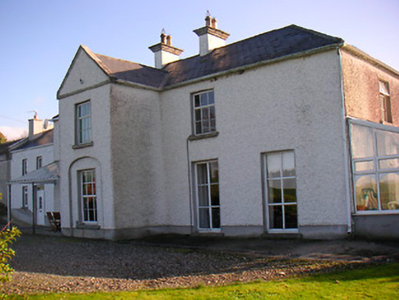
| Lough Ree Lodge | This lodge located on the eastern shore of Lough Ree, named on the first edition OS map, is a four-bay two-storey house, built c.1815, by a branch of the Handcock-Temple family of Waterstown House. It was the home of a Gustavus H. Temple, in 1837 and at the time of Griffith’s Valuation, when it was valued at £21. Later the home of the Daniels and Fagan families and still occupied. |
|
| St Marks | St Marks named on first edition OS map and on the 25 inch map, is now a ruin. It was the home of the Potts family, occupied by John Potts in 1814 and 1837 and by William Potts at the time of Griffith’s Valuation, when the building was valued at £16.10. O’Brien writes that in the 1860s the house came into the possession of the Magan family. The house was twice destroyed by fire . On the second occasion it was not rebuilt and the stables were converted into a residence. | |
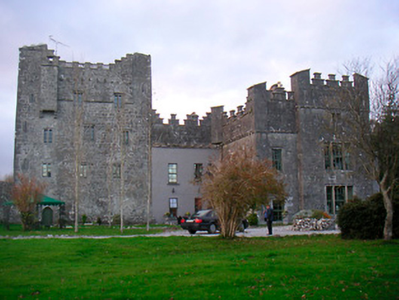
| Portlick Castle | Portlick Three-bay four-storey late medieval tower house, built c.1500 by the Dillon family, with later seven-bay two-storey extension added to the southwest, c.1800, and a two-bay two-storey castellated block added to the southwest corner of this extension, c.1865 (boi). In 1696 granted to Thomas Keightly, a member of King William's privy council in Ireland who sold it to William Palmer of Dublin. About 1703 bought by the Smyth Family, who remained in ownership of Portlick Castle into the twentieth century. Valued at £26 and held by Robert Smyth in fee at the time of Griffith’s Valuation. A fire in 1861 damaged much of the building. Sold by a descendant of the Smyth family in 1955, the castle has been restored in recent times and has been used as a wedding venue. The Westmeath Independent reported the castle’s purchase by a family from California in January 2021. |
|
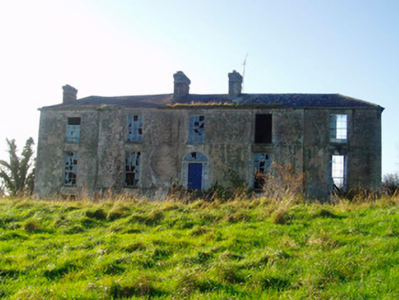
| Auburn | Auburn - Detached five-bay two-storey over raised basement house, built or rebuilt in the early 19th century (boi) This house takes its name from the Goldsmith Poem ‘The Deserted Village’, which was apparently inspired by the countryside surrounding this property where Goldsmith grew up as a boy. Auburn House was reputedly remodeled in the early nineteenth-century by John Hogan, whose father, a solicitor, acquired the property and estate from the Naper Family (of Loughcrew, Oldcastle, Co. Meath) in settlement of legal costs. J Hogan was the occupant in 1837. It was later sold to William Henry Daniel c.1848 and later to G.A.G. Adamson in 1864. In 1906 the buildings were valued at £34 and Charles G Adamson was the occupier. The Adamson family continued to reside at Auburn until about 1980. The house is now a ruin. |
|
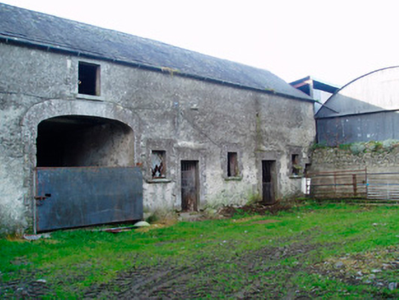
| Lackan Lodge | O’Brien writes of Walter Dillon living at Lackan in 1796. Lackan Lodge, valued at £14, was occupied by William Thomson in the mid-19th century. He held the property from the Dillons minors. A new building has been erected on this site. |
|
| Cloonta | Nicholas McGaver held this property in fee at the time of Griffiths Valuation in the 1850s, when it was valued at almost £12. The Ordnance Survey Name Books describe the property as a 'good farmhouse with trees and plantations' in the 1830s. The 1906 Untenanted Demesnes survey record a valuation of almost £12 when it was owned by Patrick McGaver. It is now ruinous. | |
| Newpark House (Rathcline) | Luke Bushe Fox held a property in fee here at the time of Griffiths Valuation in the early 1850s, with a valuation of almost £3. The original property in Newpark townland is labelled Newpark House on the 6” OS map. It appears to have become ruinous later. By the end of the 19th century Cordara House had been constructed at a different site in the same townland. It has since been demolished though some estate buildings remain at the site. In 1837 Lewis had recorded Newpark House as the seat of a Captain W.J. Davys. | |
| Cormaglava House | William Lewis was leasing this property from William Montfort [Bond] at the time of Griffiths Valuation in the 1850s when it was valued at £12. The Ordnance Survey Name Books note that the townland was the property of Lady Rosse in the 1830s. A house is still extant at this site. | |
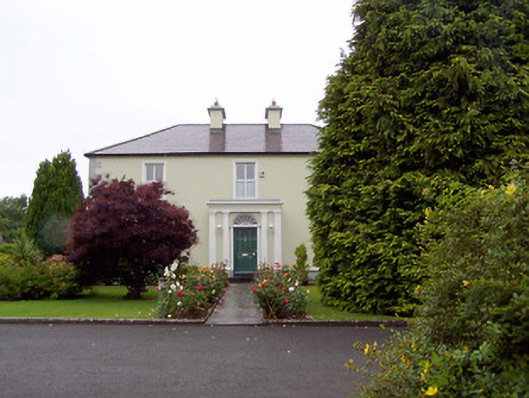
| Newtown Parochial House | At the time of Griffiths Valuation in the 1850s, this house was occupied by Reverend Nicholas O’Flanagan, leasing from Colonel Henry White. The property was valued at £10. The National Built Heritage Service suggests that the house was built at the same time as the adjacent church in 1833, described in the Ordnance Survey Name Books as 'a splendid new chapel'. It is still extant and occupied. |
|
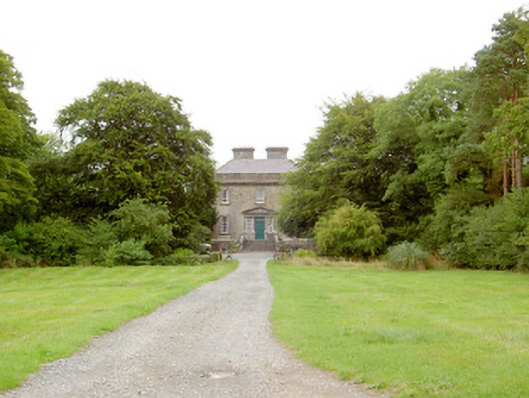
| Ledwithstown House | In 1837 Lewis referred to Ledwithstown House as the seat of W. Ledwith. Leet's Directory referred to it as the residence of Richard Dillon in 1814. By the time of Griffiths Valuation in the 1850s, it was held in fee by Edward Ledwith and valued at £15. The National Built Heritage Service suggests it was built c.1745 and was possibly designed by Richard Castle. It is still extant. In the 20th century it had become derelict but has been refurbished |
|
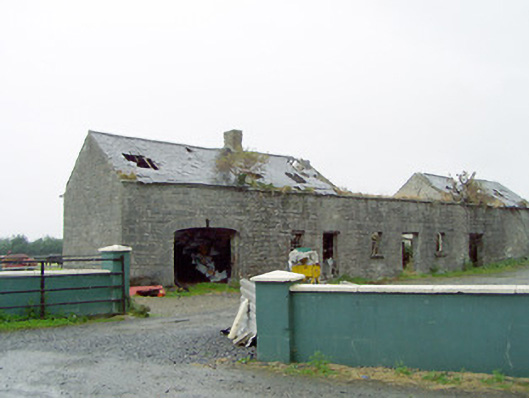
| Cordara House | By the end of the 19th century Cordara House had been constructed at a different site in Newpark townland. It has since been demolished though some estate buildings remain at the site. |
|
| Drumnacor House | At the time of Griffiths Valuation in the 1850s, John Bond held this property in fee when it was valued at £15. In 1837 Lewis had recorded Drumnacor as the residence of W. Sandys. In 1906 it was owned by John Bond’s representatives. The site is now occupied by a farmyard. | |
| Littletown House [Lodge] | William Magill was leasing this property from Joseph Manly at the time of Griffiths Valuation in the early 1850s when it was valued at almost £14. On the 1st edition Ordnance Survey map it appears to be located within the townland of Doonis but on the 25-inch edition of the early 20th century it seems to be within the townland of Cartroncroy. The house is labelled Littletown Lodge on the 1st edition map but as Littletown House on the 25-inch edition. It survived into the twentieth century but is no longer extant. In 1837 Lewis referred to Littleton Lodge as the seat of W. Lennox Napier. Another Littletown House is shown on the 1st edition Ordnance Survey map in the adjacent townland of Littletown [N096519] but this is described as 'in ruins' on the later map. William Magill of Littleton, Ballymahon was recorded as the owner of over 350 acres in County Longford in the 1870s. |