

Addinstown
Houses within 15km of this house
Displaying 50 houses.
Houses within 15km of Addinstown
Displaying 50 houses.
| House name | Description | |
|---|---|---|
| Annaskinnan | Annaskinnan, located just south of the Grand Canal and west of Hyde Park, this house had laid out gardens marked on the first edition OS map. It was part of the estates belonging to the Crown in the early 19th century. At the time of Griffith’s Valuation (publ. 1854) the house was valued at £13, occupied by William Garty and held from Alexander Montgomery. Members of the Garty family were still resident in 1901. Complex of buildings now located on the site. | |
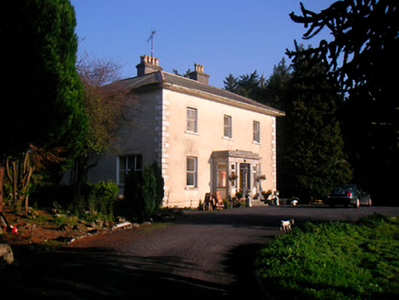
| Corbetstown | Corbetstown house, a D’Arcy home, is named on the first edition OS map. It is a three-bay two-storey over basement house, built about 1820. It must have replaced an earlier house as a D’Arcy is recorded at Corbetstown in the late 1770s. Francis D’Arcy was resident in 1814 and John D’Arcy in 1837. By the time of Griffith’s Valuation (publ. 1854) Joseph Purser was resident holding the house valued at £32 from the Earl of Longford. Occupied by Elizabeth and Frances Reynell in 1911, this house remains extant. |
|
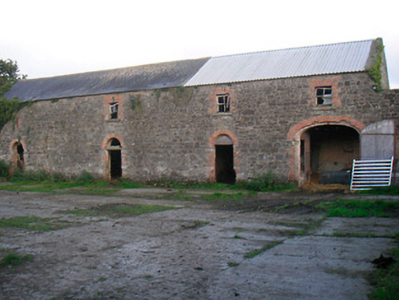
| Curristown | Curristown House was a property in the ownership of the Purdon Family from about 1760. The house, a two-storey, three-bay late 18th century building, was the home of George Purdon in 1814 and 1837. Valued at £21 it was unoccupied at the time of Griffith’s Valuation (publ. 1854). Augustus C Purdon was the immediate lessor. Occupied by Algernon Briscoe and family in 1901, the house remained a Briscoe home until the mid-20th century. It was demolished in the late 20th century. |
|
| Derrymore | Derrymore House is described by O’Brien as a two-storey, five-bay house mid-18th century building. It is named on both the earliest OS 6 inch and 25 inch maps. In 1814 it was the home of Captain Daly and in 1837 Lewis describes it as the property of T J Fetherston Haugh of Bracklyn Castle. Still in Fetherstonhaugh possession at the time of Griffith’s Valuation (publ. 1854), it was occupied by Luke Nolan and valued at £15.10. The Nolan family were still resident at the beginning of the 20th century. The house is now a ruin. | |
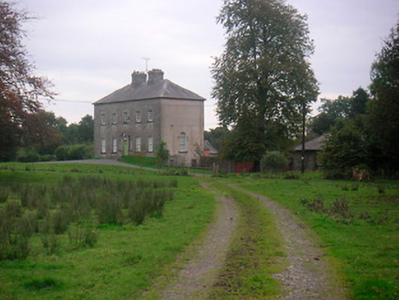
| Huntingdon | Huntingdon, a five-bay two-storey over basement country house, built about 1770 by the Purdon family, it remained a Purdon home for all of the 19th century. Robert Purdon was resident in 1814 and 1837. Augustus Cooke Purdon held the house from Robert Purdon at the time of Griffith’s Valuation (publ. 1854), when it was valued at £20. Purdon family members were still resident in the early decades of the 20th century and the house remains extant. |
|
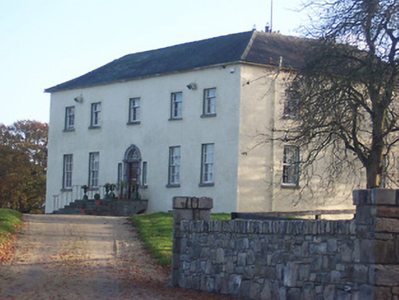
| Hydepark | Hyde Park, located north of Kinnegad, is a five-bay two-storey over basement country house, built about 1775 by James D’Arcy. This family were related to the D’Arcys of Corbetstown. John D’Arcy, son of James, was resident in 1814 and 1837. George D’Arcy, son of John, held the property in fee at the time of Griffith’s Valuation (publ. 1854) when the house was valued at £23. In 1906 George N Darcy is recorded as the occupant holding the property with 425 acres of untenanted land. Two D’Arcy sisters were living in Hyde Park in 1911. |
|
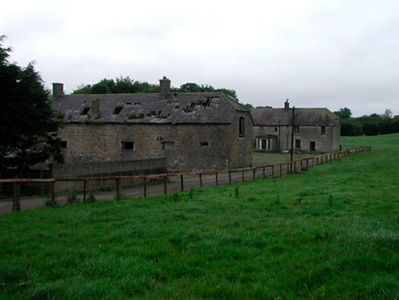
| Joristown | Joristown House, set in a large demesne, with a deer park to the west, as recorded on the first edition OS map, this was a Purdon home from the early 19th century as Peter Purdon was resident in 1814 and 1837. At the time of Griffith’s Valuation (publ. 1854) the house was unoccupied, valued at £16 and held from Augustus C Purdon. Shepherd Hugh Lambe was living in a house in Joristown with two of his cousins, held from General Purdon in 1901 and John Purdon in 1911. This house is now demolished. |
|
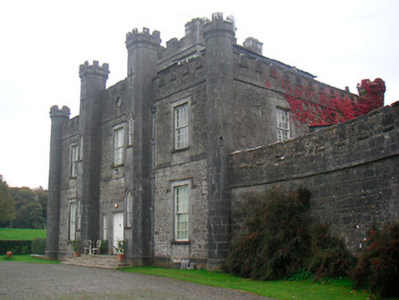
| Lisnabin Castle | Lisnabin House, located a short distance south east of Huntingdon, this three-bay two-storey castellated country house was built about 1824 by Edward Purdon to replace an earlier house that burnt down and which is referred to on the Taylor and Skinner maps of the late 1770s and by Leet in 1814 as the home of Edward Purdon. Described as 'a handsome castellated mansion recently erected', by Lewis, it was valued at £40 at the time of Griffith’s Valuation (publ. 1854) and was the residence of the same Edward Purdon who held it in fee. His son George Nugent Purdon of Lisnabin owned over 1,000 acres in the 1870s and it remained a Purdon home until the early 21st century when it was sold. |
|
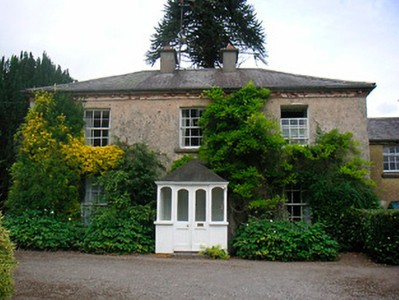
| Riggs Villa/Greenhills | Located a short distance north west of Killucan, this building is named Riggs Villa on the first edition OS map and Greenhills on the 25 inch map. It is a three-bay two-storey house, built about 1830, with two-bay two-storey return to the northeast (boi). Riggville Cottage was the home of Edward Riggs in 1814 and of Anthony Fawcett at the time of Griffith’s Valuation (publ. 1854) when it was valued at £11.10 and held from the Earl of Longford. Two Fawcett sisters were living in Killucan at the time of the 1911 census. This house is extant. |
|
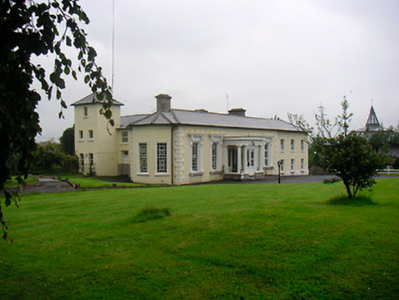
| Riverstown House | Riverstown House, originally known as Rathwire House, this five-bay single-storey over basement villa, was built about 1830 and was associated with a former corn mill run by the Hannons (boi). Occupied by Benjamin Hannan, valued at £15 and held from the Earl of Longford at the time of Griffith’s Valuation (publ. 1854). Samuel Clarke, agent and his wife lived here in 1901 and William Bailey, ex RIC and land agent’s assistant and his family were resident in 1911. It was bought by a Father O'Rourke in 1935 who opened the first Camillian Juniorate in Ireland here in 1949, it now functions as St Camillus Care Centre. |
|
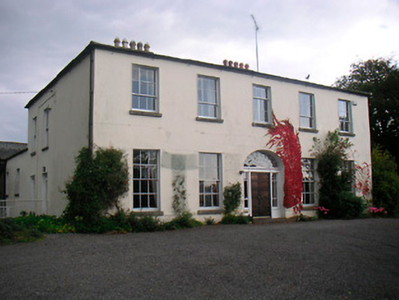
| Wardenstown | Wardenstown is a five-bay two-storey early 18th century country house, built c.1810 possibly incorporating the fabric of an earlier house. The house is believed to have been three-storey high when built but was later reduced in height following a fire (boi). The Berry family lived at Wardenstown in the early 18th century. The Wardenstown Papers record that the estate was later acquired by the Vandeleur family from Kilrush, Co Clare through a connection with the Knight of Kerry (PRONI D3549/F). It is probable that the Vandeleurs built the present house. In 1814 George Webb lived at Wardenstown and in 1837 T M Webb. At the time of Griffith’s Valuation (publ. 1854) Capt Crofton Thomas Vandeleur occupied the house valued at £20 and held from the Knight of Kerry and other Fitzgerald family members. Capt Crofton T. Vandeleur, lived here in the 1870s and it was still the home of members of the Vandeleur family in the early years of the 20th century. In more recent times the home of the Potterton family. |
|
| Clonlost | Clonlost house is shown amidst a large demesne on the first OS map. The Nugent family were settled at Clonlost from the 17th century. The house was a two-storey, five-bay, late 18th century building (O’Brien). In 1814 it was the home of Lt Col Nugent. Lewis records it as the ‘ancient family seat of J Nugent’. At the time of Griffith’s Valuation (publ. 1854) Captain John J Nugent held it in fee when the house was valued at £40 and he owned an estate of over 3,000 acres in the 1870s. His daughter married William Lamb Palmer of Rahan, Co Kildare and it was their son Charles Colley Palmer who inherited Clonlost. Members of the Palmer family were still resident in the early years of the 20th century. The house is now a ruin. | |
| Edmondstown | Edmondstown named on both the first six inch and 25 inch OS maps. At the time of Griffith’s Valuation (publ. 1854) Richard W Reynell was the occupier, holding the house valued at £10 from the representatives of Marcus Sinnott. Buildings remain at the site. | |
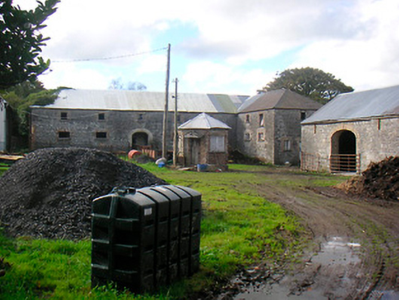
| Killynan House | Killynan House was located on the border between the two Killynan townlands of Pratt and Cooke. It was the home of the Reynell family who held it from the Winter family. Reverend Edward Reynell is recorded on the Taylor and Skinner maps of the late 1770s and was resident until his death in 1788. He was succeeded by his son Richard who occupied the house in 1814 and 1837. Richard was later succeeded by his son, Richard Winter Reynell, who died in 1887. The Reynells were related to the Winter family. This house is now demolished but outbuildings survive. |
|
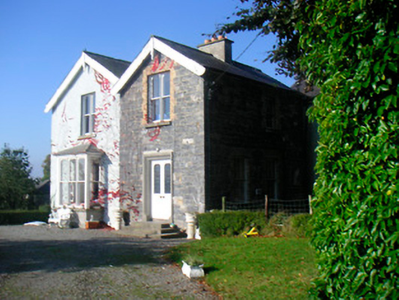
| Clondrisse House | Clondrisse House, a small building marked on the first edition OS map and named on the 25 inch map. A small two-bay two-storey over basement house built about 1800 and extended in the late 19th century. O’Brien writes that it was the home of Myles O’Reilly in the first two decades of the 19th century. Rev Francis Winter, vicar of the nearby St. John the Baptist's Church of Ireland church was the occupant in the 1840s while Rodney Purdon was resident at the time of Griffith’s Valuation (publ. 1854), holding the house valued at £16, from Samuel Winter. Home of Major John Purdon retired in 1911. |
|
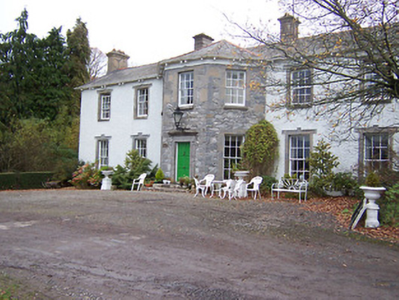
| Reynella | Reynella House is a seven-bay two-storey country house on T-shaped plan built about 1770 by Richard Reynell. In 1814 it was the seat of Richard M Reynell and in 1837 Lewis records that Reynella was 'the elegant residence of the late R. M. Reynell, Esq., now the property of a minor, situated in a fine demesne, adorned with a lake and extensive plantations'. Valued at £27 it was occupied by John Rynd at the time of Griffith’s Valuation (publ. 1854) and held from Blayney T Balfour. This house was home to the broadcaster Marian Finucane and her husband in the 1980s and was a guest house in more recent years. |
|
| Archerstown House | Archerstown House, located on the shore of Archerstown Lough, is named on the first edition OS map with a police barrack at its front entrance. Also named on the 25 inch map but subsequently demolished. Archerstown was the home of John Maher in 1814 and of Robert Smyth in 1837. O’Brien records Thomas Smyth, ancestor of the Drumcree branch of the family, living at Archerstown in 1671. Samuel Arthur Reynell held the house valued at £50 from Robert Smyth at the time of Griffith’s Valuation (publ. 1854). He was agent to the Marquess of Westmeath and became Master of the Westmeath Hunt. The Reynells continued to live at Archerstown until the 1940s when it was sold. Acquired by the Land Commission in the 1960s the house was demolished. | |
| New Archerstown | This house is marked on the first edition OS map. The outbuildings were considerably extended by the time of the 25 inch map. Valued at £15 at the time of Griffith’s Valuation (publ. 1854), it was occupied by Thomas W Donaldson and held from Robert Smyth. Mrs Jane Crawford and her son lived here in 1901 and 1911. A building still occupies the site. | |
| Ballyhealy House | Ballyhealy House was the home of the Batty family. O’Brien describes it as a two-storey, five-bay late 18th century building. Charles Batty was resident in 1814 and P Batty in 1837. At the time of Griffith’s Valuation (publ. 1854) William Barry Batty lived here, holding the house valued at £30 from the Rev Edward Batty. The Rev Edward Batty of Ballyhealy owned over 1,200 acres in the 1870s. Espine Batty, JP, farmer and barrister was resident in 1901 and in 1906 but by 1911 Lt Claud O’Hagan and family lived here holding the property from the Battys. The house is now a ruin. | |
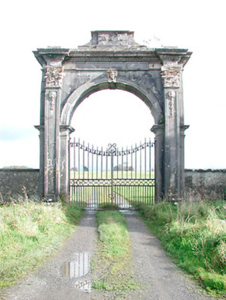
| Rosmead House | Rosmead House was set in an extensive demesne as shown on the first edition OS map. This was a seven-bay three-storey over basement mansion built in the late 18th century by Hans Widman Wood (1720-95). His eldest daughter Frances Elizabeth, wife of Admiral Hercules Robinson inherited the house. The Rosmead estate was sold by the Robinsons to Lord Vaux in 1852, when the house was described as an ‘imposing edifice’. In July 1879 it was for sale again and the Marquess de la Bedoyere who married Mildred, daughter of Lord Greville, came into possession. The 1879 sale rental gives descriptive details of the features of the house including the number of rooms and their dimensions and there is also a lithograph of the house. The Marquess was still occupying the mansion house, valued at £49.10 in 1906. It is now a ruin although the courtyard and entrance gate survive. |
|
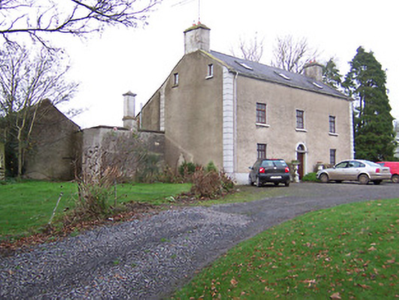
| Clonmaskill | Clonmaskill House is a three-bay two-storey house with an attic level, built about 1790. In 1814 and 1837 it was the residence of Laurence Lloyd Henry, who died in 1846. His widow Margaret was the occupant at the time of Griffith’s Valuation (publ. 1854) when the house was valued at £13.5 and held from the Hon W F F Tighe. Details of the Henry family are recorded on a table tomb in St Mary’s graveyard, Devlin. The 1911 census records a farmer Thomas Tormey residing in a class one house in Clonmaskill. The house is now surrounded by extensive farm buildings. For members of the Henry family see https://www.from-ireland.net/category/gravestones-transcriptions/page/10/ |
|
| Clonyn House | Clonyn/Clonin House, (also known as Clonyn or Delvin Castle) is named on the first edition OS map with a riding school to the rear and is recorded as ‘in ruins’ on the 25 inch map. A plaque with the crest of the Nugent family on the façade dates the building 1680. Later extensions to the house dating from the early 18th century to the early 19th century are evident. This was the home of the Earls and Marquess of Westmeath and in 1837 is described as such by Lewis. The first and only Marquess of Westmeath died in 1871 and his estates were inherited by his daughter Rosa, who was married to Lord Greville. However, by the time of Griffith’s Valuation (publ. 1854) Lord Greville was already in possession of Clonyn holding it in fee and valued at £60. By 1906 the buildings were valued at £130.3 and held with 824 acres of untenanted land however the estate was ‘In Chancery’. The Hon Priscilla Nugent was the occupant. The house became a ruin some years later and is now surrounded by Delvin Golf course. | |
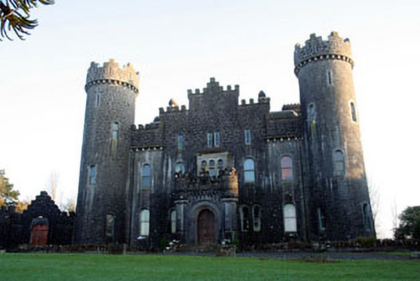
| Clonyn Castle | Clonyn Castle, five-bay two-and three-storey over basement Gothic Revival-style castle, built between 1867-1876 to the design of John McCurdy (1823-85) for Lord and Lady Greville-Nugent, both of whom died in 1883. Their sons followed careers in England and Australia and the house was only occupied by servants at the time of the 1901 census. Sold by the Grevilles in the 1920s this building remains a private residence. |
|
| Mitchelstown | Mitchelstown House was a home of the Tighe family in the early 19th century. Robert S Tighe was the occupant in 1814. Home of G Hinds in 1837 and at the time of Griffith’s Valuation (publ. 1854) of Captain John Roden who held the house, valued at £24 from Robert Howard. The house appears to be a ruin on the 25 inch map. | |
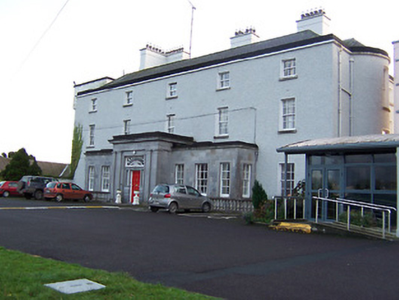
| Southhill | Southhill, a five-bay three-storey over basement country house, built about 1810 (boi). South Hill was originally the home of the Tighe Family. In 1814 Major Robert Tighe was occupying Southhill. By 1837 it had passed into the ownership of William Chapman, a younger son of Sir Thomas Chapman 2nd Bt of Killua Castle and grandfather of ‘Lawrence of Arabia’. He held the house in fee at the time of Griffith’s Valuation (publ. 1854) when it was valued at £41.15. In 1906, Francis V Chapman was recorded as the occupier but by 1911, Peter P Metge, a civil engineer and farmer, was resident with his family. This house has been a convent, hospital and is now the home of St Mary’s Special School. |
|
| Sheepstown House | Sheepstown house is named on the early 20th century 25 inch OS map. At the time of Griffith’s Valuation (publ. 1854) it was occupied by James Seery, valued at £15 and held from the representatives of Robert M Tighe. The Seery family were still resident at the beginning of the 20th century. This house is extant. | |
| Derry Cottage/Drumcree Cottage | Drumcree Cottage (also known as Derry Cottage) is named on the first edition OS map. Lewis records Derry Cottage as the home of Mrs Berry in 1837. Griffith’s Valuation (publ. 1854) records Letitia C Berry (nee Smyth) as resident in a house valued at £20 and held from Robert Smyth. A building still stands on the site. | |
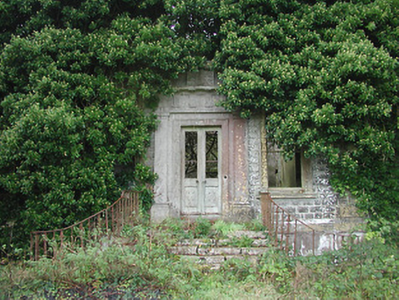
| Drumcree | Drumcree House was a seven-bay two-storey over basement Palladian country house, built in the mid-18th century for a branch of the Smyth family. In 1814 William Smyth was resident. By 1837 his son Robert occupied the house and Griffith’s Valuation (publ. 1854) records Robert Smyth holding the house in fee. It was valued at £60. By the early 20th century Henry Maxwell Smyth had inherited the property. He was there in 1906 when the valuation had increased to £75. O’Brien writes that the house was abandoned after the death of H M Smyth in 1961 and is now an ivy clad ruin. |
|
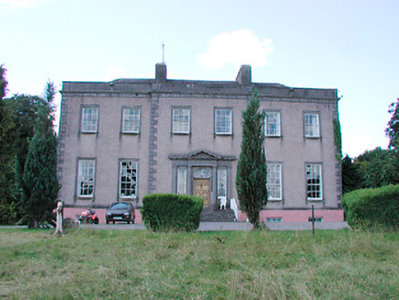
| Glananea/Ralphsdale | Glananea House, formerly Ralphsdale, as it is named on the first edition OS map, with laid out gardens immediately to the back of the house. This two-storey six-bay late 18th century house was built to the design of Samuel Wooley for Ralph Smyth, second son of William Smyth of Drumcree. Ralph’s son William Thomas inhabited the house in 1814 and was succeeded by his son another Ralph, who was resident in 1837 when Lewis recorded that his demesne is ‘entered by a beautiful gate’, which is now at Rosmead. At the time of Griffith’s Valuation (publ. 1854) the house was valued at £50 when occupied by William Edward Smyth who held it from Robert Smyth (of Drumcree). The Smyth family were resident in 1901 but a caretaker occupied the house in 1911. Glananea remains a private residence. |
|
| Dardistown | Dardistown, described by O’Brien as a two-storey, three-bay Georgian house, a Fetherstonhaugh home in the late 18th century. In 1837 Lewis records ‘Durdistown’ as the seat of Theobald Fetherstonhaugh. By the time of Griffith’s Valuation (publ. 1854) the Metge family was in possession. John Branigan held the house valued at £12 from John C ‘Medge’ Metge. The Simons family were living in a first class house at Dardistown at the beginning of the 20th century. Buildings still occupy the site. | |
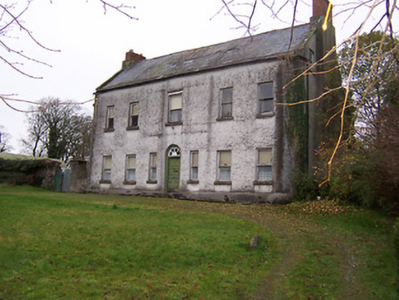
| Killagh House | Killagh House, named on the first edition OS map with a tuck mill and two corn mills closeby. This five-bay two-storey house was built about 1740 and a three-storey tower house is connected to the rear. At the time of Griffith’s Valuation (publ. 1854) it was valued at £10, occupied by Patrick Connell and held from Sir John Nugent. This building is no longer in use. https://www.antaisce.org/killagh-house-killeagh |
|
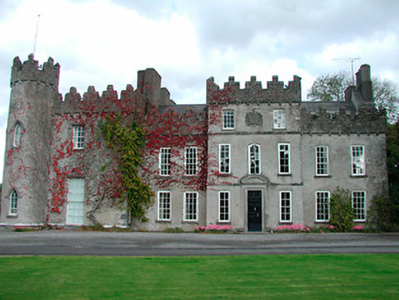
| Ballinlough Castle | Ballinlough Castle, a seven-bay two-storey over basement country house, encompassing a Medieval tower house. This has been the home of the O’Reillys and their descendants, the Nugents, for over four centuries. It has undergone many alterations including some in the late 18th century and was restored in the 1940s. Hugh O’Reilly, born in 1741, was created a baronet in 1795. He changed his name to Nugent in 1812 on inheriting the estates of his uncle John Nugent of Tullaghan. At the time of Griffith’s Valuation (publ. 1854) the house was valued at £67.10. It was noted by Slater as the seat of Lady Nugent in 1894. The Nugents continue to live at Ballinlough. O’Brien describes it as ‘one of the great showpieces of the Irish Midlands’. |
|
| Heathstown House | Heathstown House is a three-bay two-storey over basement house, built in 1834, as displayed on a weather vane on the roof, for the Dyas family. W Dyer was resident in 1837 and Richard Dyas at the time of Griffith’s Valuation (publ. 1854), when the house was valued at £19.5 and was held in fee. Richard’s son Jacob owned 793 acres in the 1870s and the Dyas family were still in possession in the early years of the 20th century. |

|
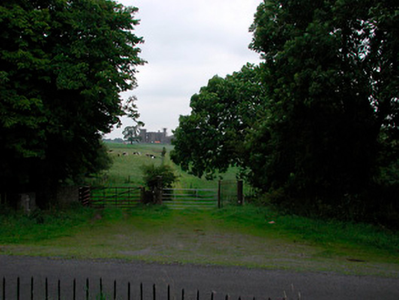
| Killua Castle | Killua Castle, in an extensive demesne, is named on the first edition OS map. It is a multi-bay three-storey over basement castellated Gothic Revival castle built about 1780 (boi). Originally it was a large Georgian house known as St Lucy’s (Leet 1814) which has been enlarged on various occasions and towers added. It was the home of the Chapman family baronets until the death of the 7th Baronet’s death in 1919. Described by Lewis in 1837 as ‘the handsome castellated residence of Sir T Chapman Bart, and contains a fine collection of paintings by the old masters’. The building was valued at £100 at the time of Griffith’s Valuation (publ. 1854) and remained at that valuation when Sir Montague R Chapman Bt was resident in 1906. O’Brien writes that it was inherited by Major Gen Richard Steel Rupert Fetherstonhaugh who sold it to William Hackett from Co Laois who set up a golf course at Killua in the 1920s. By the late 1950s, having passed through the hands of other owners, the interior of the castle was dismantled and it became a ruin. It has been rebuilt and now belongs to the Montpascal Foundation, the family foundation of the Krause family, see https://killuacastle.com/ |
|
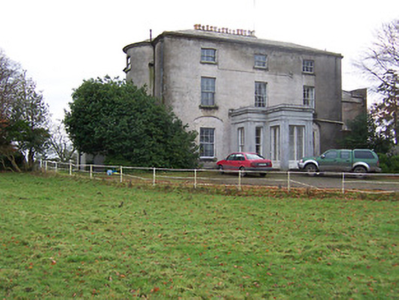
| Rockview House | Rockview House is a three-bay three-storey building over a basement. It was built in the early 19th century (but not recorded by Leet) for the Fetherstonhaugh family. In 1837 Mrs Richard Fetherstonhaugh was resident. At the time of Griffith’s Valuation (publ. 1854) her son Richard occupied the house, valued at £70 and held from Thomas J Fetherstonhaugh. The Fetherstonhaugh family continued to occupy the house well into the 20th century and it remains a private residence. |
|
| Sallyview | Sallyview is mentioned in The Parliamentary Gazetteer of 1846 but no occupant is given. The building is marked on the first edition OS map and named Sallyview although altered in shape on the 25 inch map. Valued at £14.10 at the time of Griffith’s Valuation (publ. 1854), occupied by John and Christopher Plunkett and held from Michael Plunkett, now a green field site. | |
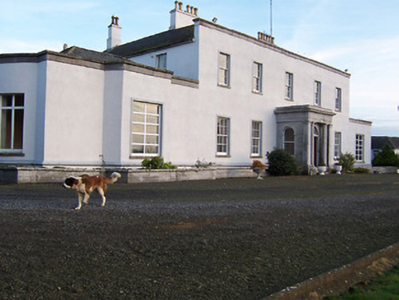
| Bracklyn House | On the first edition OS map Bracklin House is set in an extensive demesne with gardens, plantation and outbuildings. It is a five-bay two-storey over basement neoclassical country house, built in the late 18th century by a branch of the Fetherstonhaugh family on land acquired from the Pakenham Family of Tullynally Castle, Castlepollard. Single storey wings were added in 1910. James Fetherstonhaugh was resident in 1814 and his son Thomas James in 1837. At the time of Griffith’s Valuation (publ. 1854) Anne Gavan was the occupant holding the house valued at £70 from Thomas James Fetherstonhaugh. At the beginning of the 20th century Captain Cecil Howard Digby Fetherstonhaugh and family lived at Bracklin. In 1906 the buildings were valued at £60 and held with 2,300 acres of untenanted land. O’Brien writes that in recent times Mr and Mrs Sean Murphy have restored the house. |
|
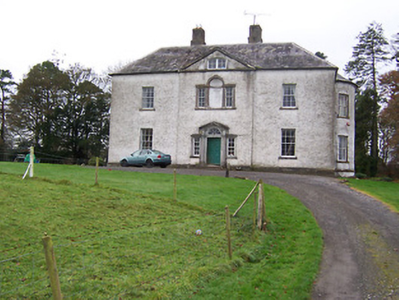
| Dysart | Dysart, located south of Delvin, is a three-bay two-storey over basement Palladian house built about 1757, for the Ogle family to designs by George Pentland. In 1814 and 1837 Nicholas Ogle was resident. By the time of Griffith’s Valuation (publ. 1854) Henry Ogle was the occupant holding the house valued at £25 in fee. The Ogle family still live here. |
|
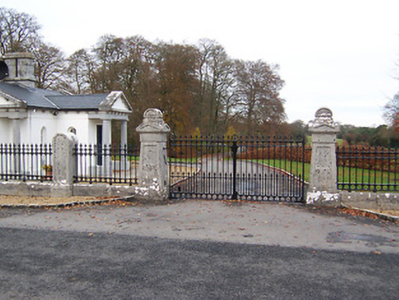
| Gigginstown House | The original house, Gigginstown Lodge, was a Dardis home and is marked on the first edition OS map. It was occupied by Christopher Dardis in 1814 and Captain Brabazon O’Connor in 1837, who had married the widow of Michael Dardis. It is no longer extant (N528 615). Gigginstown House is described by O’Brien as ‘a two-storey, three-bay classical house designed by John S Mulvany’ built in the mid-1850s on a new site and recorded as unfinished at the time of Griffith’s Valuation (publ. 1854). Valued at £40, Elizabeth Busby was the occupant holding the house in fee. The property had been bought on her behalf and that of her sister in 1828. Alphonso Busby owned 1,408 at Gigginstown in the 1870s. James Taylor, farmer and his wife Kate were resident in the early 20th century. A stud and farm are now located at Gigginstown House, owned by Michael O’Leary, see https://www.gigginstownhouse.com/wp/ |
|
| Clondalever House | Clondalever House is marked on the first edition OS map, but expanded and named on the 25 inch map. At the time of Griffith’s Valuation (publ. 1854) it was valued at £14, occupied by Edward Hope, who held it from George W Mansell or Maunsell (Oakley Park). A house is still located on this site. | |
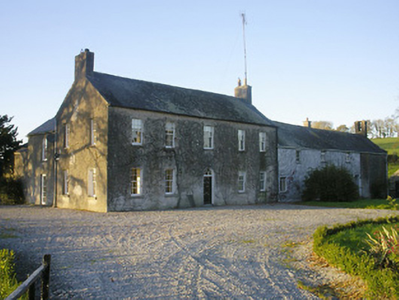
| Streamstown House | Streamstown House, located on the eastern shore of Lough Derravargh, is a five-bay two-storey house, built about 1800. At the time of Griffith’s Valuation (publ. 1854) it was occupied by Thaddeus Lynch, valued at £11 and held from Benjamin Chapman. Michael Hope, JP and farmer, and family were resident here in 1901 and his widow Eliza and family in 1911. |
|
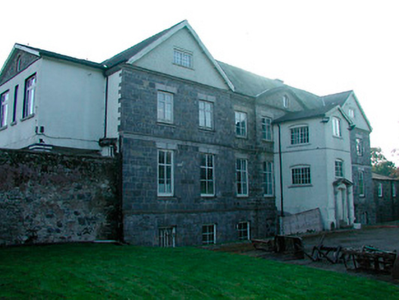
| Barbavilla | Barbavilla House is shown on the first edition OS map as situated in a large demesne with laid out gardens close to the house. It is a nine-bay two-storey over basement house, originally built by William Smyth in 1730. Smyth named the house after his wife Barbara Ingoldsby. The house was later altered by his grandson William Smyth in 1790. In the mid-19th century the house was valued at £72 and held in fee by William B Smyth. In 1906 William Lyster Smyth was the occupant when the buildings were valued at £58.5 and held with 434 acres of untenanted land. The Smyths sold Barbavilla in 1955. The house is now surrounded by large buildings relating to the production of artisan products for Barbavilla Dairy. |
|
| Lough Bawn | Lough Bawn House, Carrick, a two-storey, four-bay house built c 1840s as it is not marked on the first edition OS map. It was the home of the Battersby family. George Battersby held it in fee at the time of Griffith’s Valuation (publ. 1854) when the building was valued at £28.5. John Radcliff Battersby, JP and farmer, and family were resident at the beginning of the 20th century and the house remains in the possession of Battersby descendants, see https://landedfamilies.blogspot.com/2021/06/459-battersby-of-bobsville-lakefield.html |

|
| Cummerstown House | Cummerstown House, a two-storey, three-bay house, not built at the time of the first edition OS map but named on the 25 inch. Occupied by Laurence Levey at the time of Griffith’s Valuation (publ. 1854) when the building was valued at £10.10 and held from the trustees of Wilson’s Hospital. Home of farmer Samuel O’Neill and family at the beginning of the 20th century, now the address of Cummerstown Farm Aviation Ltd. | |
| Glenidan | Glenidan House is named on both the first edition six inch and 25 inch OS maps. Stephen Moore lived at Glenidan in 1814. Lewis records it as the residence of Blandford. Robert McCormick held Glenidan, valued at £10.10 from Patrick E Murphy at the time of Griffith’s Valuation (publ. 1854). This house appears to be still extant. | |
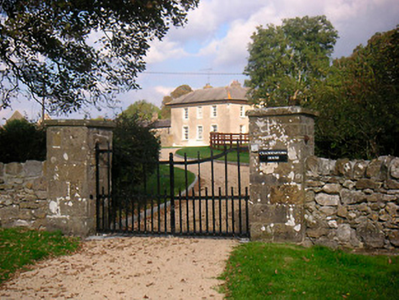
| Craddanstown House | A building is marked on the first edition OS map at this site which is greatly expanded and named on the 25 inch map as Craddanstown House. The originally house probably dates from the early 19th century and the building was extensively altered sometime in the mid-19th century. Valued at £10 and occupied by James Gibson at the time of Griffiths Valuation (publ. 1854), when it was held from the Earl of Longford. James Gibson and family were still resident at the beginning of the 20th century. |
|
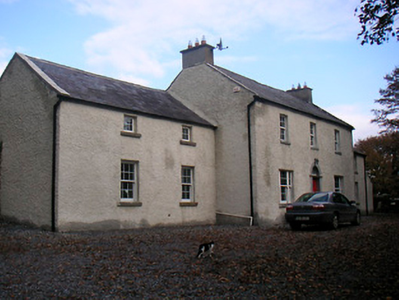
| Craddanstown Lodge | Craddanstown Lodge is named on the first edition OS map as Craddanstown House, and on 25 inch as Craddanstown Lodge. It is a three-bay two-storey house, built about 1800, with two storey wings on each side. Craddenstown House was the home of Lockhart Ramage in 1814 and 1837 so must refer to the Lodge. Lockhart Ramage was resident at the time of Griffith’s Valuation (publ. 1854), when the house was valued at £17 and held from the Earl of Longford. The census of 1911 records Lockhart Ramage aged 82, gentleman farmer, as head of the household. O’Brien writes that the house was sold in 2013 and it was on the market again in 2017. This house was more substantial than the other Craddanstown until the other was altered about 1860. |
|
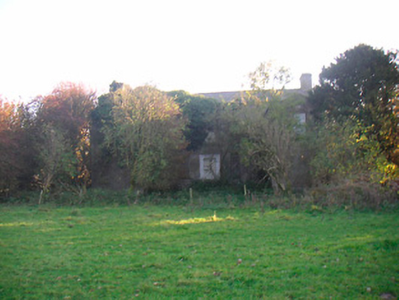
| Grange Beg House | Grange Beg House, located just north west of Shay Murtagh Pre Cast Ltd is named on both the first edition six inch OS and 25 inch maps. It was a five-bay two-storey over basement house, built about 1730 (boi). D’Arcy of Grangebeg is recorded on the Taylor and Skinner maps of the late 1770s. The D’Arcys seem to have gained possession through marriage with a Judge heiress. The property is referred to as an ‘excellent dwelling-house and extensive farm-yard and offices, all slated’ in a D’Arcy sale rental of 7 May 1850. At the time of Griffith’s Valuation (publ. 1854) Thomas Gibson was resident, holding the house valued at £17 from John Wilson. This house was still the home of members of the Gibson family at the beginning of the 20th century but is now derelict. |
|
| Grange More House | Grange More House, located in a large demesne on the first edition OS map. It was a five-bay three-storey over basement house, built in 1823 by John Fetherston inherited by his nephew Edward Briscoe of Riverdale (O’Brien). There must have been an earlier house as the Taylor and Skinner maps of the late 1770s mention Grangemore of Fetherston Esq. Leet records John Fetherston of Grangemore, Killucan in 1814 and it was the seat of Edward Briscoe in 1837 when it was described as 'a handsome house in a well-planted demesne'. Valued at £60 it was occupied by Captain William Graham at the time of Griffith’s Valuation (publ. 1854) and held from the Briscoes minors. The mansion house at Grange More was in the occupation of Augusta E Magan in 1906 [she had died in 1905] who held it with 1,922 acres of untenanted land. It is now a ruin. | |
| Riverdale | Riverdale, located just south east of the industrial complex Shay Murtagh Pre Cast Ltd, it is named on both the first edition six inch and 25 inch maps. Home of W T Briscoe in 1837 and Griffith’s Valuation (publ. 1854) records William Briscoe as the occupant, holding the house valued at £30 from Alexander Montgomery. O’Brien records this house as demolished. |