

Ballynagall
Houses within 10km of this house
Displaying 45 houses.
Houses within 10km of Ballynagall
Displaying 45 houses.
| House name | Description | |
|---|---|---|
| Knocknacreeve House | A building is marked at this site on the first edition OS map and a building of a different shape named Knocknacreeve House on 25 inch map. Richard Ham occupied this house valued at £14 which he held from Robert Smith, at the time of Griffith’s Valuation (publ. 1854). It is now the centre of a farm complex of buildings. | |
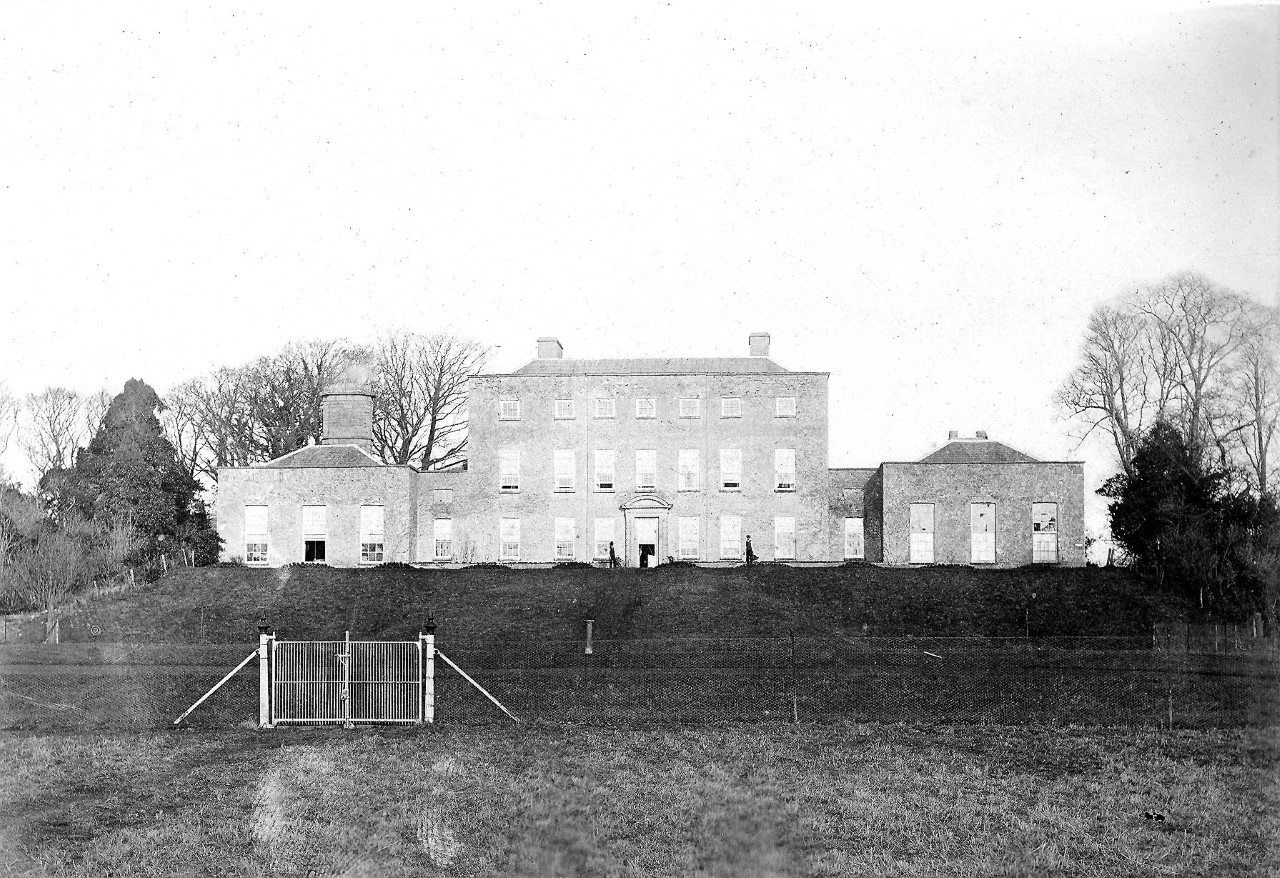
| Sonna | Set in a substantial demesne as shown of the first edition OS map, the building is slightly altered in shape from this map to the 25 inch map. The house was a three-storey, seven-bay mid-18th century Palladian style mansion. It was the home of the Tuite family and remained as such until it was burnt in 1921. Described in 1837 by Lewis - ‘Sonna for upwards of six centuries, the seat of the Tuite family, is at present the residence of Hugh Morgan Tuite… the house is a light and elegant building, in a well planted demesne’. O’Brien gives a detailed account of the family. The estate consisting of 638 acres was sold to the Land Commission in 1928. See https://www.tuites1.com/424198848.html |
|
| Wilson's Hospital | Wilson's Hospital School erected on the summit of a hill, was founded by a trust set up by Andrew Wilson of Piersfield [Piercefield]. The National Built Heritage Service records that Wilson stated in his will of 1724 that in the event of there being no direct male heirs to his estate that it, and all its profits, be transferred to the Church of Ireland hierarchy and used to build a hospital for aged Protestant men and a school for poor Protestant boys. This was the case by 1743 and the school was completed in 1761. ‘Wilson's Hospital is one of the finest and most sophisticated mid-Georgian buildings constructed outside of Dublin. Its design has been attributed John Pentland, a noted architect of his day, and it is built in the style of a Palladian country house’ (boi). It is a seven-bay two-storey building which was valued at £90 at the time of Griffith’s Valuation (publ. 1854) and continues to function as a secondary co-educational boarding school today. | |
| Lackan | Lackan house is marked but not named on the first edition OS map. It was a two-storey, three-bay house, the home of the Delamare family, long associated with the Multyfarnham area. The Taylor and Skinner maps of the late 1770s include reference to Delamar at Lacken. In 1837 Lackan was the seat of Mrs Delamere. It was unoccupied at the time of Griffith’s Valuation (publ. 1854) when valued at £17. The immediate lessor was Patrick J Murphy. A number of Delemere families were still resident in the townland in 1901. This house has been demolished. | |
| Clanhugh | Named on the first edition OS map as Clanhugh Lodge overlooking Lough Owel, later rebuilt as shown on the 25 inch map when it is named Clonhugh. The earlier house Clanhugh Lodge was the residence of the Earl of Granard in 1814 and in 1837 described as a lodge belonging to Lord Forbes. Valued at £12 the building was occupied by James Lugden who held it from the Earl at the time of Griffith’s Valuation (publ. 1854). The present five-bay two-storey Italianate country house, was built in 1867, to the design of William Caldbeck (1824-1872), for Colonel F.S. Greville, later Lord Greville, who purchased much of the Forbes lands in this area in 1859. Francis Nulty of Kells was the builder. Occupied by the Harvey-Kelly and Beirne families in the 20th century. | |
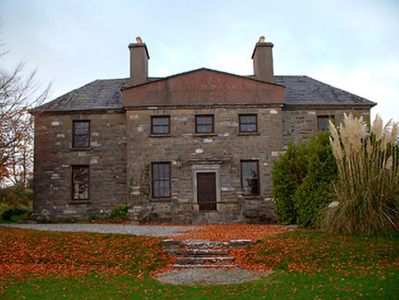
| Rathbennett House | Rathbennett House, formerly known as Farra House, originally functioned as Bunbrosna Charter School. Built c.1758 with a bequest from the will of the Rev. William Wilson, the nephew and heir of Andrew Wilson, the benefactor of Wilson's Hospital. Farra Charter School is recorded by Lewis in 1837 and was still recorded as a charter school with offices at the time of Griffith’s Valuation (publ. 1854) when the building was valued at £30. It was held by the trustees of Wilson’s Hospital in fee. Sometime later it became a private residence. Occupied by Thomas Cartret Foster in 1901 and 1911, this house remains a family home. |
|
| Ballinacloon | Ballynaclonagh, named on the first edition OS map as Ballynaclonagh and on the 25 inch map as Ballinacloon and extended. No longer extant, demolished c 1930. Complex of single and two-storey outbuildings on L-shaped plan survive. Ballynaclonagh was the residence of Edward Murphy in 1814 and P. E. Murphy in 1837. Griffith’s Valuation (publ. 1854) records Patrick E Murphy as the occupier holding the property valued at £33.5 in fee. Patrick Delamere, coachman to Captain Murphy, was resident with his wife in 1901. Valued at £45.5 in 1906 and in the possession of Captain Laurence Murphy. The Delameres had three children by 1911 and were resident holding the property from Mrs Sarah Murphy. | |
| Donore House | Donore overlooking Lough Derravaragh, named on the first edition OS map. The Nugents were settled here from the 16th century. Donore House was a three-storey late 18th century Georgian block. James Nugent of Donore was created a baronet in 1768. When his brother Peter the second baronet died in 1797, Donore passed to the family of their sister Catherine who had married Pierce Fitzgerald of Baltinoran. They had two sons Thomas who inherited Donore and Lattin who inherited Soho House. In 1831 Thomas’ son Percy Fitzgerald Nugent was created a baronet and was MP for Westmeath 1847-1852. He was resident at the time of Griffith’s Valuation (publ. 1854) when the house was valued at £80. The Nugents were still resident in the early 20th century. O’Brien writes that the house was given to the Franciscan Community of Multyfarnham from whom it was purchased by the Land Commission. The house fell into disrepair and was demolished in the 1960s. | |
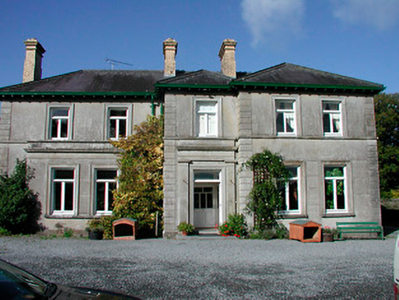
| Monintown/Mornington | Monintown or Mornington House, straddles the border between the parishes of Mutlyfarnham and Stonehall as shown on the first edition six inch OS and the 25 inch maps as Moninton. The original two-storey house was built in the mid-18th century and was the home of the Daly family. It was the seat of Owen Daly in 1837 and Edward Daly held it in fee at the time of Griffith’s Valuation (publ. 1854). It was valued at £7.10, while a building he held in the parish of Stonehall was valued at £8. In the late 19th century a five-bay two-storey house was built to the front of the original house by the O’Hara family who acquired the property in 1858. In 1906 the house was valued at £43.13 and was in the possession of Patrick O’Hara. Still in the ownership of the O’Haras, who run it as a guest house. |
|
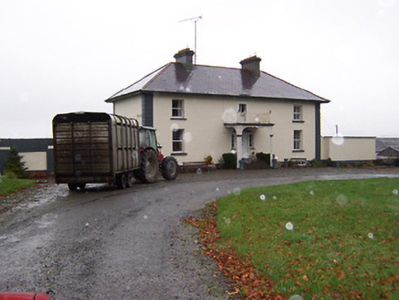
| Soho (Multyfarnham) | Soho, an early 19th century three-bay two-storey house, is named on the first edition OS map. Inherited by Lattin Fitzgerald, a younger son of Catherine Nugent of Donore and her husband Pierce Fitzgerald, who occupied the house in 1814. At the time of Griffith’s Valuation (publ. 1854) it was the residence of Peter Nugent Fitzgerald, valued at £15.15 and held from Sir Percy Nugent of Donore. The house was occupied by Mrs Margaret Fitzgerald’s gardener Edward Fay in 1901 and by Colonel Edward Irwin and family in 1911. Soho is still a family home. |
|
| Portloman | Portloman, situated on the shore of Lough Owel, is named on the first edition OS map and the 25 inch map. Home of the de Blaquiere family from the mid-18th to the mid-19th centuries. Both Leet (1814) and Lewis (1837) record Portloman as the seat of Lord de Blaquiere. At the time of Griffith’s Valuation John de Blaquiere held the house valued at £18 in fee. When the estate was for sale in June 1866 the mansion house was described as been ‘beautifully situated on the margin of Lough Owel and stands upon a demesne containing about 200 acres Statute measure, handsomely planted, to which is attached a large garden, containing over three acres well stocked, walled in and lined with Brick; Hot Houses, Conservatories etc’. In 1906 the house was in the possession of Colonel David W Stevenson [of Derry]. The buildings had increased in value to £33.10 and were held with 142 acres of untenanted land. This house was destroyed in 1921. | |
| Woodland | Woodland overlooking Lough Owel, named on the first edition OS map and 25 inch map, still extant but now known as Ardilaun House. Lewis records W Moxton, agent to Lord Forbes, as the occupant in 1837 and at the time of Griffith’s Valuation (publ. 1854) Edward Maxton was resident holding the property valued at £14 from Lord Forbes. In 1901 occupied by race horse trainer Alexander Pilkington and his wife and by the Brabazon family, horse trainers in 1911. | |
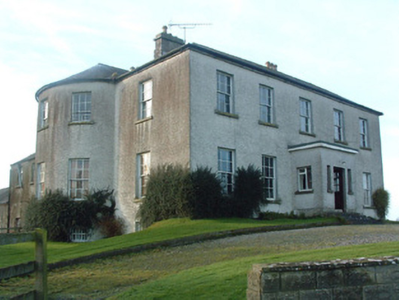
| Mount Murray | Mount Murray House is situated facing the western shore of Lough Owel and is named on both the first edition OS and 25 inch maps. The Murray family have been resident here since the mid-17th century and remain in residence today. The present house is a five-bay two-storey over basement country house, built about 1780 and remodelled c.1820 with the addition of a semi-circular bow to the southeast façade (boi). It was built by Alexander Murray in the late eighteenth-century to replace an earlier Murray house or castle close to the same site. Occupied by Alexander Murray in 1814 and 1837 and by Henry Murray at the time of Griffith’s Valuation (publ. 1854) who held the house valued at £46 in fee. William Murray was resident in 1906. |
|
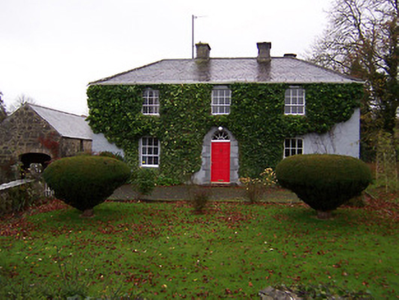
| Martinstown | Martinstown is marked on the first edition OS map but is named on the later 25 inch map. It was built c.1820, on a L-shaped plan with two-storey return to the rear (boi). John Kerr held most of this townland from Thomas R Evans at this time and occupied the house valued at £12. Other Kerr family members occupied houses valued at £7 and £8.10. |
|
| Kilmaglish | Kilmaglish House not built at time of first edition OS map but is marked on the 25 inch map. At the time of Griffith’s Valuation (publ. 1854) it was valued at £17, occupied by William Levinge and held from Sir Richard Levinge. Occupied by Thomas Robinson, a farmer and his son William in 1901 and 1911. It is still extant surrounded by large farmyard. | |
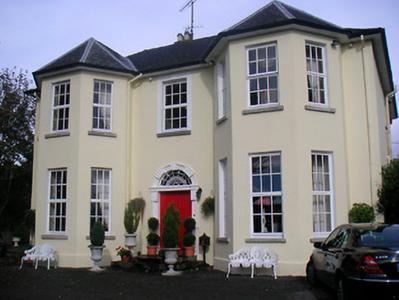
| Lynn Lodge | Lynn Lodge previously known as Lynn House, as named on the first edition OS map. A three-bay two-storey house, built early 19th century by the Swift family, possibly incorporating the fabric of an earlier structure. Jonathon Swift (1667-1747) wrote letters from Lynn House. Lynn the property of Swift Esq is recorded on the Taylor and Skinner maps of the late 1770s. It was the residence of Meade Swift in 1814. Lynn House was in the ownership of R. Swift and was the residence of the Rev. G. M. Dennis in 1837. By 1850 the house was known as Lynn Lodge and was occupied by Toriano L’Estrange when the interest of Richard Swift in the property, consisting of the house and about 100 acres was for sale in the Encumbered Estates Court. Valued at £23 at the time of Griffith’s Valuation (publ. 1854), occupied by John Cronin and held from Terence D Nolan. In 1906 Charlotte Swifte occupied a mansion house valued at £23 at Lynn which she held with 72 acres of untenanted land. This house is now the centre of a stud. |
|
| Lynn House | Lynn House, situated close to the shore of Lough Ennell, is named on the 25 inch map at this location. A house, offices, gatelodge and lodge were all held by Richard Swift MD in fee at the time of Griffith’s Valuation (publ. 1854), when they were valued at £12. A building remains on this site. | |
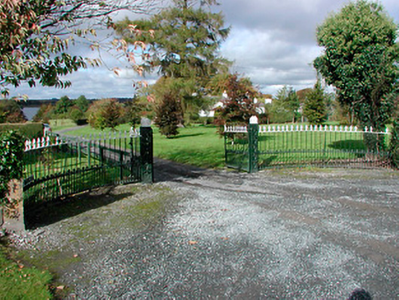
| La Mancha | La Mancha is situated facing Lough Ennell and named on the first edition OS map. This house was occupied by William Wynne in 1814 and was the property of Richard Swift in 1837, who held it in fee and valued at £18 at the time of Griffith’s Valuation (publ. 1854). This house is still extant. |
|
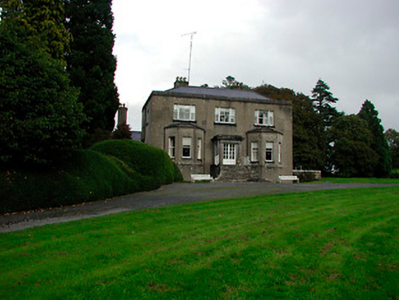
| Lynnbury | Lynnbury, situated near the shore of Lough Ennell, is named on first edition OS map. It is a two-storey, three-bay late 18th century house building, home of Thomas Swift who married Frances Dennis. He died in 1803 and was succeeded by his eldest son Rev Meade Swift, (died 1837) who took the additional name of Dennis when he and his brother John inherited the estates of their uncle James Dennis, Lord Tracton (O’Brien). Richard Bourne resided in the house in 1837. At the time of Griffith’s Valuation (publ. 1854) the house was valued at £40, occupied by Captain Charles Wynne and held from Paul Meade Dennis. In 1906 Lynnbury, valued at £65 was occupied by Gustavus Rochfort Hyde, who held it with 83 acres of untenanted land, see Wade of Aughrim. This house has been restored in recent times. |
|
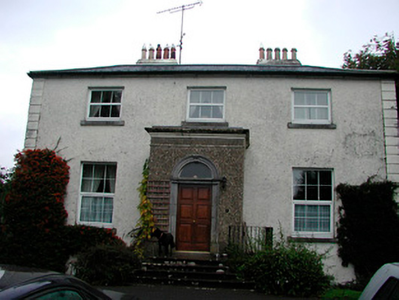
| Ennel Lodge/Fort William | Ennell Lodge, previously known as Fort William as shown on the first edition OS map. This is a three-bay two-storey over basement house, built about 1800. It was valued at £13 but unoccupied at the time of Griffith’s Valuation (publ. 1854). Eliza Dennis was the immediate lessor. |
|
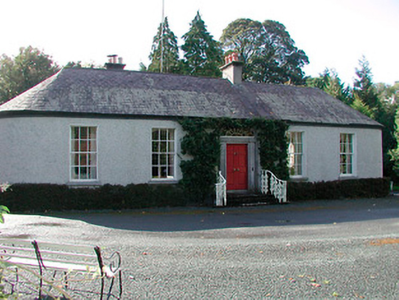
| Belville Cottage | Belville Cottage, five-bay single-storey house, built about 1820, marked on the first edition OS map and named on the 25 inch map. At the time of Griffith’s Valuation (publ. 1854) it was occupied by Florence Mahony, held from Eliza Dennis and valued at £10. |
|
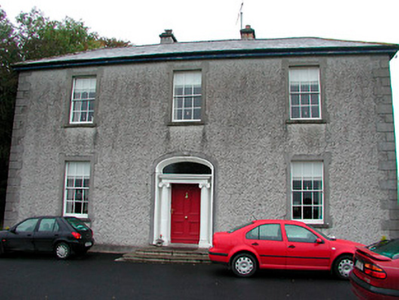
| Clonmoyle House | Clonmoyle House, Tullanisky, is a two-storey, three-bay over basement house. The present house was built after 1838 and replaced an earlier house as recorded on the first edition OS map. In 1814 the older house was the home of David Jones. O’Brien writes that David Jones married Frances, daughter of Alexander Swift of Lynn in 1771. By the time of Griffith’s Valuation (publ. 1854) Charles Joley or Joly was resident holding the house valued at £35 from Thomas Walsh. Henry E Joly was in possession in the 1870s. |
|
| Cooksborough House | Cooksborough House is named on the first edition OS map but greatly altered by the time of the 25 inch map. The Cooke family were settled here from the 17th century. O’Brien writes that it was ‘a large rambling mainly Georgian house’. It was the home of many generations of the Cooke family. It is marked on the Taylor and Skinner map of the 1770s, Robert Cooke was resident in 1814 and Lewis refers to the ‘fine mansion of the Cooke family’ in 1837. The eccentric family member Adolphus Cooke lived here at the time of Griffith’s Valuation (publ. 1854), holding the house in fee. It was valued at £35. After his death in 1876 and the litigation that followed the house passed into the possession of Edward Michael Pakenham, a younger son of the 4th Earl of Longford, to whom he had bequeathed it. A caretaker Thomas Keenan and his family were resident in 1901 and in 1906 the Rt Hon E M Pakenham is recorded as the occupant. The house was demolished many years ago. | |
| Edmondstown | Edmondstown named on both the first six inch and 25 inch OS maps. At the time of Griffith’s Valuation (publ. 1854) Richard W Reynell was the occupier, holding the house valued at £10 from the representatives of Marcus Sinnott. Buildings remain at the site. | |
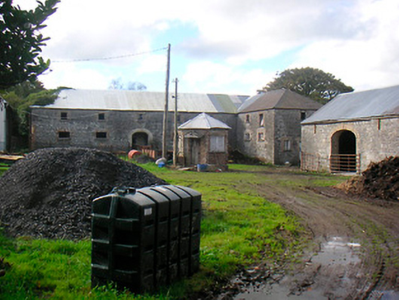
| Killynan House | Killynan House was located on the border between the two Killynan townlands of Pratt and Cooke. It was the home of the Reynell family who held it from the Winter family. Reverend Edward Reynell is recorded on the Taylor and Skinner maps of the late 1770s and was resident until his death in 1788. He was succeeded by his son Richard who occupied the house in 1814 and 1837. Richard was later succeeded by his son, Richard Winter Reynell, who died in 1887. The Reynells were related to the Winter family. This house is now demolished but outbuildings survive. |
|
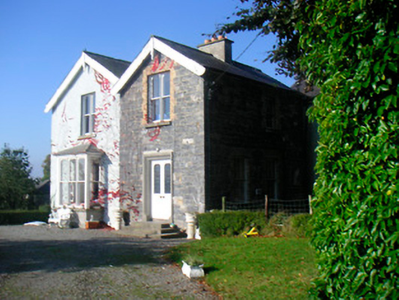
| Clondrisse House | Clondrisse House, a small building marked on the first edition OS map and named on the 25 inch map. A small two-bay two-storey over basement house built about 1800 and extended in the late 19th century. O’Brien writes that it was the home of Myles O’Reilly in the first two decades of the 19th century. Rev Francis Winter, vicar of the nearby St. John the Baptist's Church of Ireland church was the occupant in the 1840s while Rodney Purdon was resident at the time of Griffith’s Valuation (publ. 1854), holding the house valued at £16, from Samuel Winter. Home of Major John Purdon retired in 1911. |
|
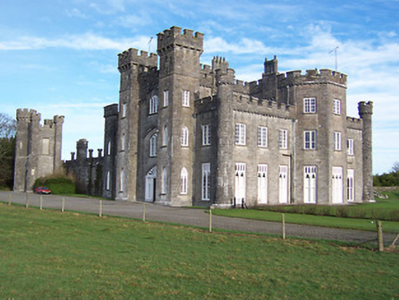
| Knockdrin Castle | A Gothic Revival castle built about 1815; it is not recorded by Leet. Located east of Lough Owel and north of Lough Drin, this castle was built by Sir Richard Levinge (1785-1848) 6th Bt to replace High Park, the Levinges’ old family home and was designed, most probably, by James Shiel. It was valued at £100 in 1906. The Castle remained the home of the Levinge family until the mid-20th century when it was sold. It is now the home of the Prondzyunski family. |
|
| Rathconnell Court | Rathconnell Court is named on the first edition OS map and marked as ruins on the 25 inch map of the early 20th century. It was the home of the Adams family and was marked on the Taylor and Skinner maps of the 1770s. Occupied by Francis Adams in the early 19th century and by J Adams in 1837. Francis Adams was resident at the time of Griffith’s Valuation (publ. 1854) holding the house valued at £18 in fee. | |
| Ballinderry Cottage | Ballinderry cottage, named on both the first six inch and 25 inch maps, Ballinderry was originally a home of William Judge of Mosstown (O’Brien). Located on the southern outskirts of Mullingar, at the time of Griffith’s Valuation (publ. 1854) Godfrey Fetherstonhaugh held the building valued at £11 from Anne ‘Cowper’ or Cooper. Home of the Bayley family at the beginning of the 20th century. O’Brien writes that a hospital now stands on the site. | |
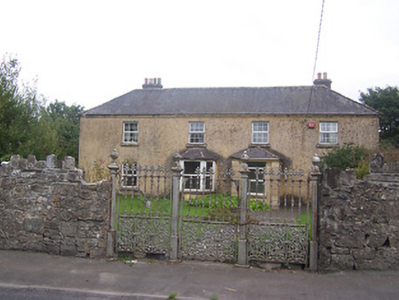
| Ballyglass | Ballyglass, a four-bay two-storey house, built about 1820, is named on both the first six inch and 25 inch OS maps and located just north east of St Finian’s College near Mullingar. In 1814 it was the home of John McLaughlin. At the time of Griffith’s Valuation (publ. 1854) James William McLoughlin resided, holding the house valued at £16.10 in fee. This house is still extant. |
|
| Charlestown House | Charlestown House, Balnamona, is named on both the first six inch and 25 inch maps. It was the home of Tennison Lyons in 1814. Hill J M Walsh was resident here at the time of Griffith’s Valuation (publ. 1854) when the house was valued at £15 and held from John C Lyons. There is a building still on the site, part of Charlestown stud. | |
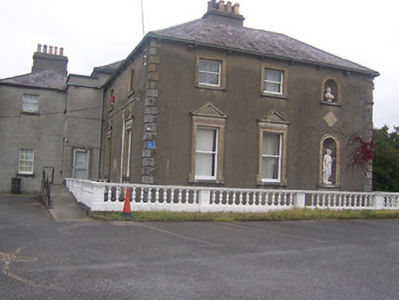
| Clonard House | Bellview, now known as Clonard House, is a two-bay two-storey over basement house, built about 1800, located in the town of Mullingar, home of the Walsh family. Robert Walsh was resident in 1814 and Thomas Walsh in 1837. He was still resident at the time of Griffith’s Valuation (publ. 1854), when the house was valued at £40 and held in fee. In 1876 Thomas Walsh of Bellvue owned 528 acres. In the mid-20th century this house was the residence of the Catholic Bishop of Meath. Since then it has been a tourism headquarters and an entertainment venue (O’Brien) and was for sale in 2022. |
|
| Culleen House | Culleen House is marked on the first edition OS map and had greatly expanded by the time of 25 inch, only the outbuildings remain now. O’Brien describes it as long, low seven-bay, two storey early Victorian house, purchased by Mr Mc Loughlin, a Dublin merchant, from Sir John de Blaquiere of Portloman. A Thomas McEvoy occupied Culleen in 1814. It was later sold to Godfrey Levinge, a grandson of the 4th Baronet, who was resident at the time of Griffith’s Valuation (publ. 1854), holding the house, valued at £30 in fee. Home of Thomas M Reddy and family at the time of the 1901 and 1911 censuses. This house is no longer extant. | |
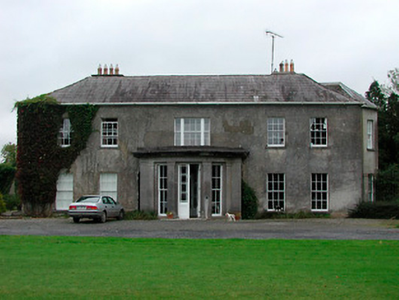
| Bellmount House | Bellmount House, Curristown, is named on both the first six inch and 25 inch OS maps. It is a five-bay two-storey house, built about 1820. Although built on part of the Lyons of Ladestown estate, Bellmount House was in the possession of the Reilly family for most of the 19th century. The two families were related. In 1814 John Lyons is recorded as the occupier and in 1837 W Reilly. At the time of Griffith’s Valuation (publ. 1854) William Haig was resident holding the house valued at £36 from the representatives of Anthony A Reilly. Home of Arthur and Alice Trevor Booth in 1911. In the mid-20th century O’Brien records that Bellmount was in the ownership of the Gainsford-St Lawrence family of Howth Castle, Dublin. |
|
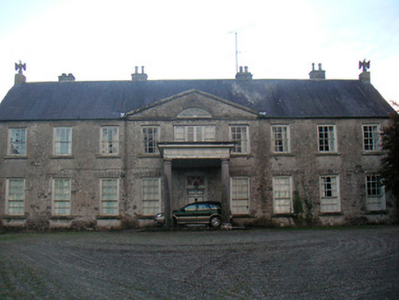
| Levington Park | Levington Park is located close to the southern shore of Lough Owel. The seat of a branch of the Levinge family from the mid-18th century, it is a nine-bay two-storey country house with two-storey returns to the rear at either end (north and south), built about 1748 by Sir Richard Levinge 4th Baronet and altered in the early 19th century (boi). In 1814 Lady Levinge was resident. It was inherited by the 4th Baron’s second son Richard Hugh Levinge who was the owner in 1837. Valued at £27 at the time of Griffith’s Valuation (publ. 1854), occupied and held by Charles William Levinge in fee. Members of the Levinge family were still resident in 1901 but Hugo Fitzpatrick and his wife Gertrude were living here in 1911. O’Brien writes that Levington Park was later the residence of Edmund Dease, formerly of Turbotstown House. His son Maurice was the recipient of the first posthumously awarded Victoria Cross of World War I. The house had other owners until purchased by the author J P Donleavy in 1972. He died in 2017. |
|
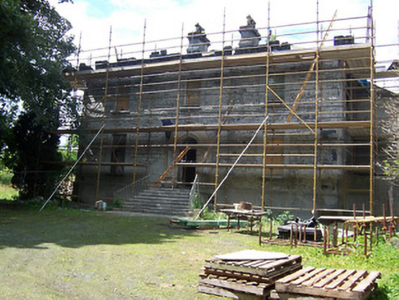
| Annebrook | Annbrook or Annebrook in the town of Mullingar was originally a three-bay two-storey over basement house, built about 1810. It was the home of Dr Robert Barlow in 1837 and at the time of Griffith’s Valuation (publ. 1854), when it was valued at £38 and held from the Earl of Granard. Still a doctor’s residence in 1911 when Dr Joseph Dillon Kelly and his wife lived at Annebrook. Now functions as a hotel, the Annebrook House Hotel. See https://www.annebrook.ie/ |
|
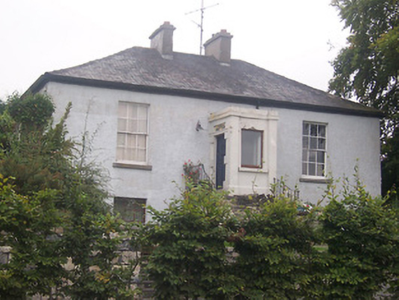
| Monte Video/Prospect | This house was named Monte Video on the first edition OS map and as Prospect on the 25 inch map. A doctor’s residence at the time of Griffith’s Valuation (publ. 1854) when Dr Ferguson was in occupation. Valued at £13 it was held from Anne Cowper or Cooper. It was originally located on the outskirts of Mullingar but is now surrounded by a housing estate |
|
| Springfield (Mullingar) | Springfield, on the outskirts of Mullingar, is named on both the first six inch and 25 inch maps. At the time of Griffith’s Valuation (publ. 1854) it was occupied by Thomas Tuite, held from Charlotte Tighe and valued at £20. Now demolished and replaced by Assumption Villas. | |
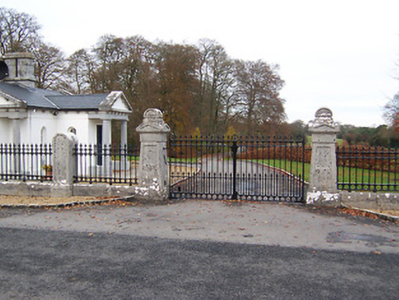
| Gigginstown House | The original house, Gigginstown Lodge, was a Dardis home and is marked on the first edition OS map. It was occupied by Christopher Dardis in 1814 and Captain Brabazon O’Connor in 1837, who had married the widow of Michael Dardis. It is no longer extant (N528 615). Gigginstown House is described by O’Brien as ‘a two-storey, three-bay classical house designed by John S Mulvany’ built in the mid-1850s on a new site and recorded as unfinished at the time of Griffith’s Valuation (publ. 1854). Valued at £40, Elizabeth Busby was the occupant holding the house in fee. The property had been bought on her behalf and that of her sister in 1828. Alphonso Busby owned 1,408 at Gigginstown in the 1870s. James Taylor, farmer and his wife Kate were resident in the early 20th century. A stud and farm are now located at Gigginstown House, owned by Michael O’Leary, see https://www.gigginstownhouse.com/wp/ |
|
| Ballyknock House | Ballyknock House, Derrynagarragh, is marked on the first edition OS map at a road junction and named on the 25 inch map and appears to be extant. In 1814 Ballyknock was the residence of Richard McCormick. At the time of Griffith’s Valuation (publ. 1854) it was valued at £16.10, occupied by Catherine McCormick and held from Richard McCormick. It appears to have been located on the Berry estate. | |
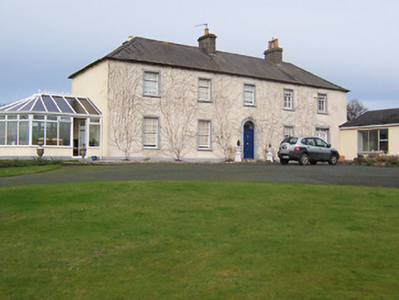
| Gartlandstown House | Gartlandstown House, located at the south eastern toe of Lough Derravargh, is a five-bay two-storey house, built about 1830 (boi) or perhaps replacing an earlier house as Garlandstown, Castlepollard, was the seat of Sterne Tighe in 1814. By 1837 J Murray was resident here and James Murray is recorded as the occupant at the time of Griffith’s Valuation (publ. 1854) when the house was valued at £10 and held from James W M Berry. O’Brien writes that Michael Hope was resident in 1869 and in the mid-1870s the representatives of Michael Hope held 487 acres at Gartlandstown. Members of the Hope family was still in occupation at the time of the 1901 and 1911 censuses. |
|
| Clondalever House | Clondalever House is marked on the first edition OS map, but expanded and named on the 25 inch map. At the time of Griffith’s Valuation (publ. 1854) it was valued at £14, occupied by Edward Hope, who held it from George W Mansell or Maunsell (Oakley Park). A house is still located on this site. | |
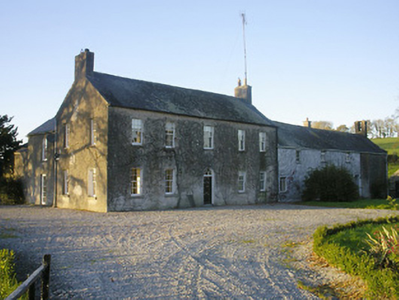
| Streamstown House | Streamstown House, located on the eastern shore of Lough Derravargh, is a five-bay two-storey house, built about 1800. At the time of Griffith’s Valuation (publ. 1854) it was occupied by Thaddeus Lynch, valued at £11 and held from Benjamin Chapman. Michael Hope, JP and farmer, and family were resident here in 1901 and his widow Eliza and family in 1911. |
|
| Benison Lodge | Benison Lodge, west of Lough Lene, is named on both the first edition six inch and 25 inch OS maps. O’Brien describes it as a late 18th century, five-bay, two-storey house, probably by the O’Reilly family, one of whom was shot dead in the house in 1803 by the coachman. In 1814 Thomas H Smyth lived here and the Rev T Smyth in 1837. By the time of Griffith’s Valuation (publ. 1854) John Henry Roper was occupying the house, valued at £30 and held from William P Urquhart of Castlepollard. In the 1870s Henry J Roper of Benison Lodge owned 447 acres. In the early 20th century Richard O’Neill and family were living in a first class house in this townland. The house is now a ruin. | |
| Gillardstown | Gillardstown is named on both the first edition six inch and 25 inch OS maps. A Mrs Scully was living at Gillerstown, Castlepollard, in 1814. At the time of Griffith’s Valuation (publ. 1854) Thomas Webb occupied the house, valued at £25 and held from Robert A Ellis. The house was the home of William Evans, a Civil Engineer and Law Agent, and his family in 1901 and of William Hardy, a farmer and his wife in 1911. The house is now the centre of a farming complex. |