

Rathcline House
Houses within 10km of this house
Displaying 17 houses.
Houses within 10km of Rathcline House
Displaying 17 houses.
| House name | Description | |
|---|---|---|
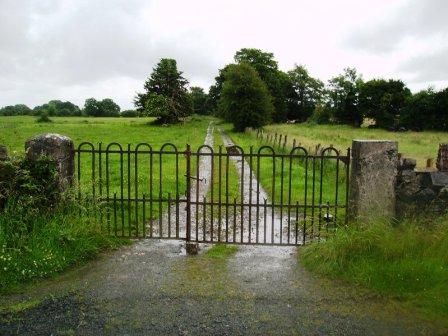
| Beechwood | A residence of the Hughes family in the 18th century. The sale rental of 1859 states that Beechwood was for many years the residence of the late Mr Ferrall. Daniel Ferrall of Beechwood was issued with a game licence in 1822. Occupied by Daniel Irwin in the 1850s when the house was valued at £40, by the Tolers in the 1880s and by Clare M. Nolan in 1906. Norton states that the Irwin brothers were nephews of Daniel Ferrall. Beechwood is no longer extant. |
|
| Drumdaff | Charles Croghan, a farmer, lived at Drumduff in 1749. Home of the Digby family in the 19th century. Held in fee by George Digby at the time of Griffith's Valuation when the buildings were valued at £17.It is still extant and maintained. |

|
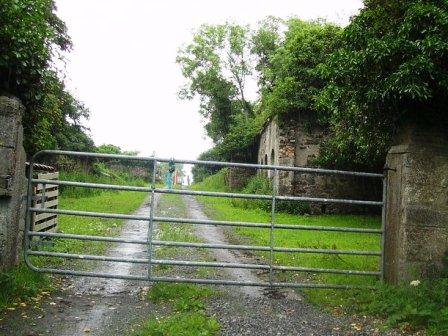
| Kilteeven House | Still occupied by the Mapothers in 1906, when the house was valued at £20. Some ruined buildings remain at this site. |
|
| Carrowmore | Carrowmore was occupied by John Davis at the time of Griffith's Valuation, when it was valued at £8 and leased from the Gunning estate. It is labelled Carrowmore House on the 25-inch Ordnance Survey map of the 1890s. A house still exists at the site. | |
| Fairymount | The home of Edward Mills in 1814. In 1828 Edward Mills of Fairymount was a member of the Grand Panel of county Roscommon. Residence of Mr Lyster at the time of the first Ordnance Survey. By the time of Griffith's Valuation the largest house in the townland of Fairymount was valued at £1.15s, leased by Anne Lyster to Michael Connolly. | |
| Mount Dillon | Lewis writes that the house was situated on an isolated hill and formed "a conspicuous object in the surrounding scenery". Valued at £15 in the mid 19th century. Wilson, in 1786, refers to it as the seat of Mr. Dillon. In the possession of Samuel Russell in 1906 when the buildings were valued at £3. It is no longer extant. | |
| Ballagh | In 1814 James O'Connor was residing at Ballagh. Described as a good dwelling house at the time of the first Ordnance Survey. Occupied by Denis O'Conor in the 1850s, held from Theobald Dillon and valued at £6. In 1906 James D. O'Connor occupied Ballagh, valued at £17. It is no longer extant. | |
| Grove | This house, near Roscommon town, is named Bob's Grove on the Taylor and Skinner map, the residence of Ormsby esquire. Wilson also refers to it as the seat of Mr. Ormsby in 1786. Occupied by Christopher Davies in 1814. The house is labelled Grove on the1st and 25-inch edition Ordnance Survey maps. | |
| Curraghroe | At the time of Griffith's Valuation this property was in use as a Constabulary Barracks, valued at £5 and leased from the estate of Theobald Dillon. Local sources suggest the police were withdrawn from the barracks in the late 1860s. In modern times it has become known as Sullivan's Cross. The house is still extant and occupied and in 2014 was offered for sale. | |
| Cloonta | Nicholas McGaver held this property in fee at the time of Griffiths Valuation in the 1850s, when it was valued at almost £12. The Ordnance Survey Name Books describe the property as a 'good farmhouse with trees and plantations' in the 1830s. The 1906 Untenanted Demesnes survey record a valuation of almost £12 when it was owned by Patrick McGaver. It is now ruinous. | |
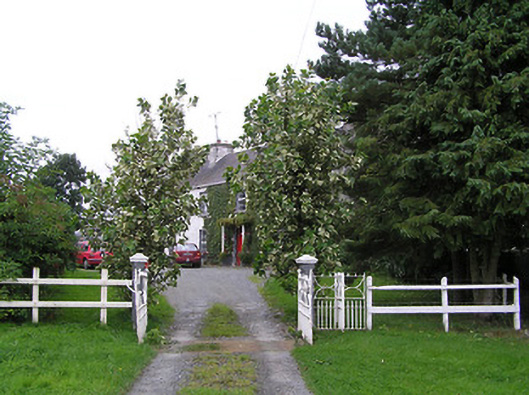
| Middleton House | Michael Quinn held Middlton in fee at the time of Griffiths Valuation in the early 1850s, when it was valued at almost £13. In 1837 Lewis referred to Middleton as the seat of H. Montfort while in 1814 Leet notes it as the residence of W.B. Montfort. It is still extant. |
|
| Newpark House (Rathcline) | Luke Bushe Fox held a property in fee here at the time of Griffiths Valuation in the early 1850s, with a valuation of almost £3. The original property in Newpark townland is labelled Newpark House on the 6” OS map. It appears to have become ruinous later. By the end of the 19th century Cordara House had been constructed at a different site in the same townland. It has since been demolished though some estate buildings remain at the site. In 1837 Lewis had recorded Newpark House as the seat of a Captain W.J. Davys. | |
| Cormaglava House | William Lewis was leasing this property from William Montfort [Bond] at the time of Griffiths Valuation in the 1850s when it was valued at £12. The Ordnance Survey Name Books note that the townland was the property of Lady Rosse in the 1830s. A house is still extant at this site. | |
| Barnacor Mill | John Costello was leasing this property from Luke White’s estate at the time of Griffiths Valuation, when it was valued at £28. Some buildings still remain at the site. | |
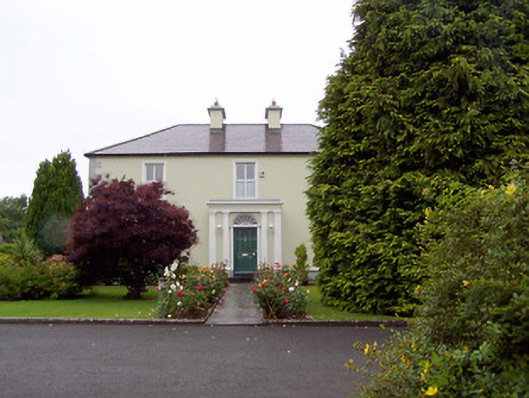
| Newtown Parochial House | At the time of Griffiths Valuation in the 1850s, this house was occupied by Reverend Nicholas O’Flanagan, leasing from Colonel Henry White. The property was valued at £10. The National Built Heritage Service suggests that the house was built at the same time as the adjacent church in 1833, described in the Ordnance Survey Name Books as 'a splendid new chapel'. It is still extant and occupied. |
|
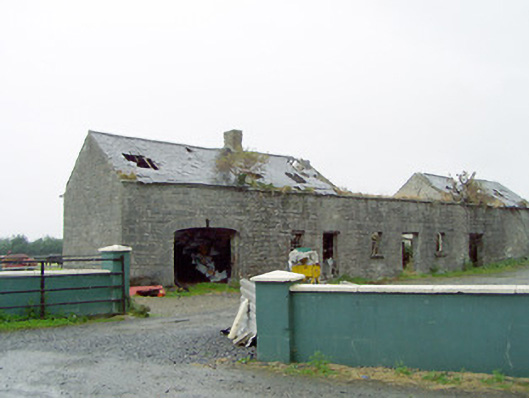
| Cordara House | By the end of the 19th century Cordara House had been constructed at a different site in Newpark townland. It has since been demolished though some estate buildings remain at the site. |
|
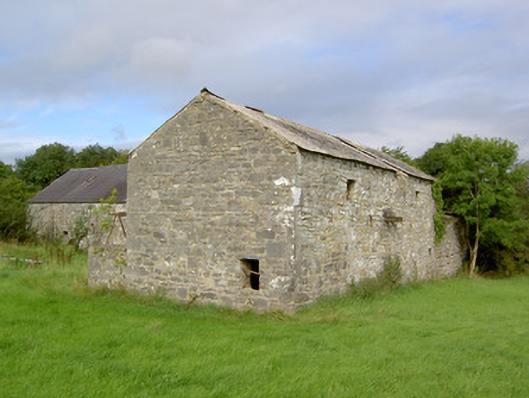
| Grillagh House | Edward Trelford was leasing a house and associated mill from Henry Montford Bond at Grillagh, in the parish of Killashee at the time of Griffiths Valuation, when it was valued at £10. The property is labelled Grillagh House on the 25-inch Ordnance Survey map of the early 20th century. The mill buildings, though derelict, are still extant. |
|