

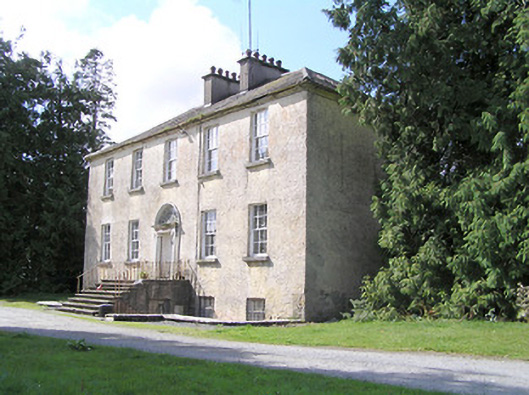
Viewmount House (Longford)
Houses within 5km of this house
Displaying 16 houses.
Houses within 5km of Viewmount House (Longford)
Displaying 16 houses.
| House name | Description | |
|---|---|---|
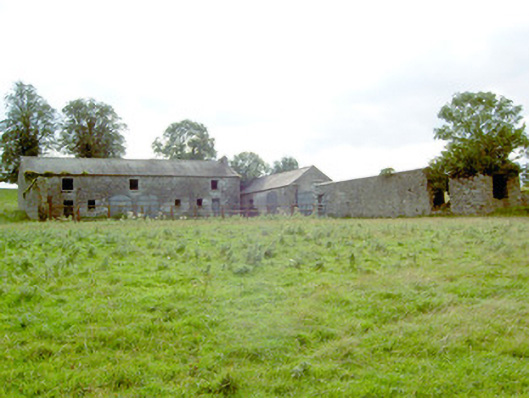
| Mount Jessop | In 1837 Lewis referred to Mount Jessop as the seat of F. Jessop. At the time of Griffiths Valuation in the early 1850s it was leased by the representatives of Thomas Conroy to Henry Crawford, when it was valued at almost £19. This is the same valuation assigned to it by the original Valuation Office books in 1839 when the occupier was John Jessop. The National Built Heritage Service suggests it was demolished c.1980. A substantial stable block and other estate architecture survives. |
|
| Rockspring | In 1837 Lewis referred to Rockspring House as the seat of W. Coates. He was still the occupier recorded in the Valuation Office books in 1840, when the house was valued at almost £9. By the time of Griffith Valuation in the early 1850s the property was being leased by James O’Keeffe from John Cooke. A house is still extant at the site. | |
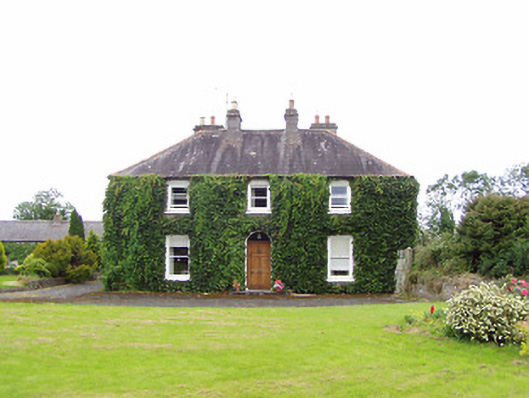
| Williamstown House (Longford) | At the time of Griffiths Valuation in the early 1850s, Williamstown House was leased by William Allen from the Edgeworth estate, when it was valued at £10. A much smaller building appears at the site on the 1st edition Ordnance survey map. The National Built Heritage Service suggests the existing Williamstown was built c.1847. It is still in use. In the 1870s William Allen was recorded as the owner of almost 200 acres in County Longford. |
|
| Cloonbalt | Hugh Peatton was leasing this property from Reverend Gray Porter at the time of Griffiths Valuation in the early 1860s, when it was valued at £23. In the 1830s the Ordnance Survey Name Books noted it as the seat of Richard Armstrong. In 1837 Lewis referred to “Clonbalt” as te property of the Earl of Belmore. A house is still extant at the site. | |
| Cloonturk | At the time of Griffiths Valuation in the early 1850s, James Shaw was leasing this property for Richard Greville’s estate, when it was valued at £13 and included a mill. It is no longer extant | |
| Mullagh House (Longford) | The 1906 Untenanted Demesnes survey shows a valuation of almost £13 for buildings in the townland of Mullagh, owned by Miss K.S. frances Cordner. At the time of Griffiths Valuation in the early 1850s this was held in fee by Reverend John Cordner and had a valuation of almost £4. He also held most of remainder of the townland. The Greville estate was the lessor for the remainder. The National Built Heritage Service suggests that Mullagh House, which is now derelict, was built c.1880. | |
| Ballygarve | At the time of Griffiths Valuation, in the early 1850s, Christopher Reynolds was leasing this property from Robert Wybrants. The Ordnance Survey Name Books mention a ‘’good farmhouse’’ in the townland of Ballygarve in the 1830s. This property is now derelict. | |
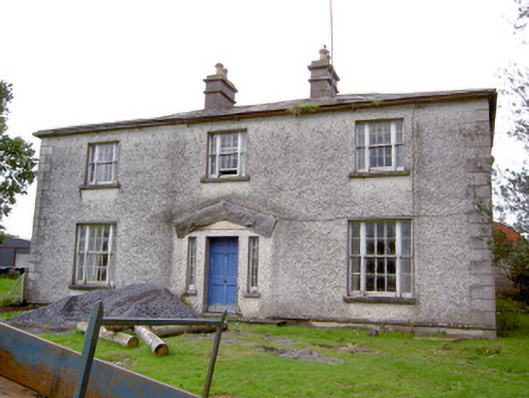
| Danesfort (Moydow) | Reverend Francis Gregg was leasing this property from the Cooke estate at the time of Griffiths Valuation when it was valued at almost £21. In 1777 Taylor and Skinner had recorded the house at "Cranny" as the property of the West family. The house is labelled Danesfort on the 25-inch Ordnance Survey map of the early 20th century. It is still extant but derelict. |
|
| Bungeggan | The 1906 Untenanted Demesnes survey records a valuation of £12 for this property then in the ownership of Joseph Dooner. At the time of Griffiths Valuation in the early 1850s this was a herd’s house, leased from William Wilson’s estate by Joseph Slevin and valued at almost £3. A stud farm occupies the site now. | |
| Cordivin | At the time of Griffiths Valuation, Reverend Robert Moffett was leasing this property to James Ganley, when it was valued at £14 and included a mill. It is shown on the 1st edition Ordnance Survey map but does not appear on subsequent editions. | |
| Templemichael Rectory | At the time of Griffiths Valuation in the early 1850s, Reverend John le Poer Trench was leasing this property from the Ecclesiastical Commissioners, when it was valued at £32. The National Built Heritage Service suggests it was built c.1840 on the site of an earlier house. In 1777 Taylor and Skinner indicated that the house at Templemichael was occupied by Dean Ryder. The later house is still extant and in use as a house. | |
| Greenfield House | At the time of Griffiths Valuation in the mid-1850s, this house was vacant though John Lynch was described as the immediate lessor. The house was valued at £12 at the time. The valuers' records from 1840 indicate that it was then occupied by William Biggers and valued at £13. The house is still extant. | |
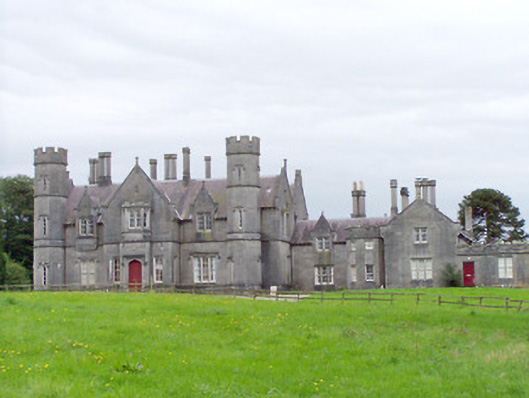
| Carrigglas Manor (Carrickglass) | The National Built Heritage Service notes that the current Carrigglas Manor was built in the mid-19th century close to the site of an earlier Carrickglass House. Leet referred to this earlier house as the seat of Sir T. Newcomen in 1814. At the time of Griffiths Valuation in the early 1850s it was leased from the Provost and fellows of TCD by Thomas Lefroy and valued at £90. The demesne remained in the Lefroy family until c.2005. The house is not currently in use. |
|
| Minard House | At the time of Griffiths Valuation in the early 1850s the house at Minard was occupied by George Evers, leasing from the Douglas estate and valued at almost £9. The 1906 Untenanted Demesnes survey records a valuation of £13 for this property when it was still in the possession of the Douglas estate. The Longford Leader reported extensive damage by fire to the house in 2019. | |
| Lismore (Longford) | At the time of Griffiths Valuation in the early 1850s, Thomas Gill appears to have been leasing this property from the Douglas estate when it was valued at £8. In 1906 the buildings were valued almost £17 and it was still held by the Douglas estate. It is still extant. | |
| Aghareagh House | At the time of Griffiths Valuation in the early 1850s John O’Beirne held this property in fee when it was valued at £20. The Valuation Office books compiled in 1840 referred to Henry Mulaniff as the occupier at that time. He is also recorded as a landholder in the townland in the Tithe Applotment records of 1831. Aghareagh is still extant and occupied. |
|