

Rockspring
Houses within 5km of this house
Displaying 17 houses.
Houses within 5km of Rockspring
Displaying 17 houses.
| House name | Description | |
|---|---|---|
| Bawn House (Longford) | In 1837 Lewis described Bawn House as the property of Mr. Fox but the seat of Arthur Griffith. The Ordnance Survey Name Books note the occupant as Mr. Babington in the mid-1830s. John Daly was leasing the house from John S. Kirwan’s estate at the time of Griffiths Valuation in the early 1850s when it was valued at almost £19. In 1906 it was the property of Henry B. Armstrong and valued at £13. There is a ruin at the site. | |
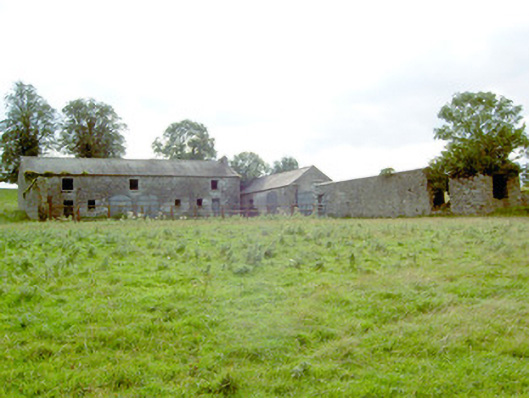
| Mount Jessop | In 1837 Lewis referred to Mount Jessop as the seat of F. Jessop. At the time of Griffiths Valuation in the early 1850s it was leased by the representatives of Thomas Conroy to Henry Crawford, when it was valued at almost £19. This is the same valuation assigned to it by the original Valuation Office books in 1839 when the occupier was John Jessop. The National Built Heritage Service suggests it was demolished c.1980. A substantial stable block and other estate architecture survives. |
|
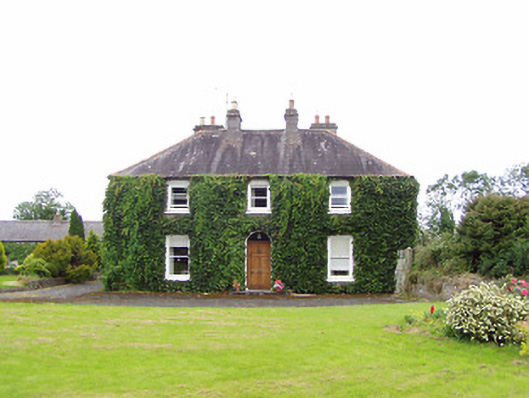
| Williamstown House (Longford) | At the time of Griffiths Valuation in the early 1850s, Williamstown House was leased by William Allen from the Edgeworth estate, when it was valued at £10. A much smaller building appears at the site on the 1st edition Ordnance survey map. The National Built Heritage Service suggests the existing Williamstown was built c.1847. It is still in use. In the 1870s William Allen was recorded as the owner of almost 200 acres in County Longford. |
|
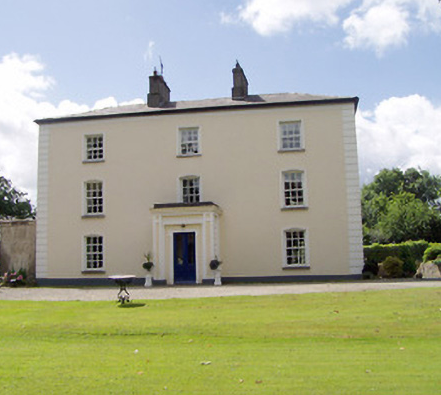
| Viewmount House (Longford) | Edward C. Hill was leasing this property from Francis Hughes at the time of Griffiths Valuation in the early 1850s, when it was valued at £17. It is visible but not labelled on the 1st edition OS map but is shown as Viewmount House on the later 25-inch edition. The Ordnance Survey Name Books described it as 'a good dwelling house with a good kitchen garden' in the mid-1830s. The National Built Heritage Service associates the property with the Cuffe and Pakenham families and dates the original house to the mid-18th century. It has, in the past, been operated as a luxury guesthouse |
|
| Cloonturk | At the time of Griffiths Valuation in the early 1850s, James Shaw was leasing this property for Richard Greville’s estate, when it was valued at £13 and included a mill. It is no longer extant | |
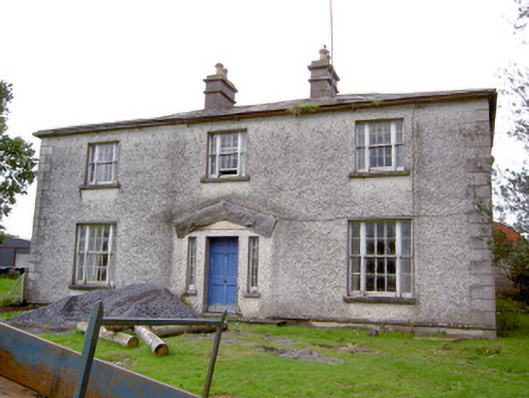
| Danesfort (Moydow) | Reverend Francis Gregg was leasing this property from the Cooke estate at the time of Griffiths Valuation when it was valued at almost £21. In 1777 Taylor and Skinner had recorded the house at "Cranny" as the property of the West family. The house is labelled Danesfort on the 25-inch Ordnance Survey map of the early 20th century. It is still extant but derelict. |
|
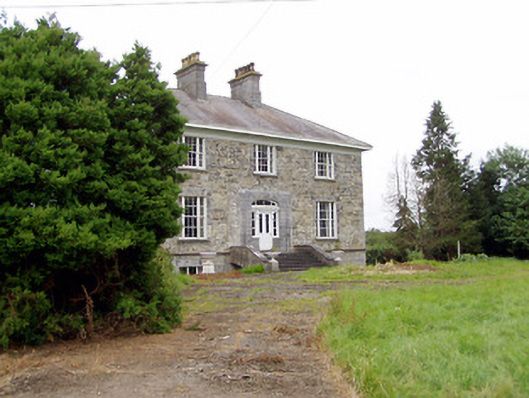
| Oldtown House (Longford) | James and George Sydserffe were leasing this property from the Gregg estate at the time of Griffiths Valuation in the early 1850s, when it was valued at £25. The original Valuation Office books from 1839 had assigned it a valuation of £14. In 1837 Lewis had recorded “Old Bawn” as the seat of Thornton Gregg. The Ordnance Survey Name Books noted that 'it had a large garden and extensive out offices'. Oldtown House is still extant and in use. |
|
| Gorteenboy | James Egan was leasing this property, which included a mill, from William Wilson’s estate at the time of Griffiths Valuation in the 1850s, when it was valued at £20. It is not shown on subsequent Ordnance Survey maps. | |
| Cordivin | At the time of Griffiths Valuation, Reverend Robert Moffett was leasing this property to James Ganley, when it was valued at £14 and included a mill. It is shown on the 1st edition Ordnance Survey map but does not appear on subsequent editions. | |
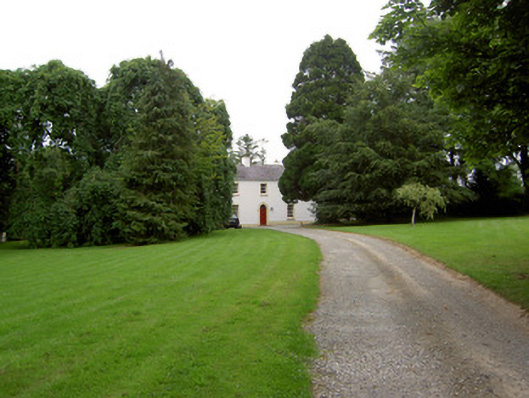
| Castlerea (Longford) | At the time of Griffiths Valuation in the early 1850s, John Bole was leasing Castlerea from the Kirwan estate, when it was valued at £15. In 1837 Lewis had noted Castlerea as the residence of Mrs. Bole. The Ordnance Survey Name Books suggest that the townland was the property of the Jessop estate in the 1830s. The 1906 Untenanted Demesnes report notes it as the property of Charles Webb with a valuation of £15. It is still extant. |
|
| Templemichael Rectory | At the time of Griffiths Valuation in the early 1850s, Reverend John le Poer Trench was leasing this property from the Ecclesiastical Commissioners, when it was valued at £32. The National Built Heritage Service suggests it was built c.1840 on the site of an earlier house. In 1777 Taylor and Skinner indicated that the house at Templemichael was occupied by Dean Ryder. The later house is still extant and in use as a house. | |
| Greenfield House | At the time of Griffiths Valuation in the mid-1850s, this house was vacant though John Lynch was described as the immediate lessor. The house was valued at £12 at the time. The valuers' records from 1840 indicate that it was then occupied by William Biggers and valued at £13. The house is still extant. | |
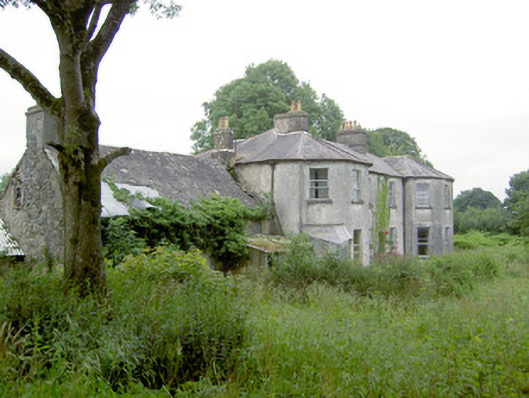
| Moydow Glebe | In 1837 Lewis noted Moydow Glebe as the residence of Reverend Armstrong. At the time of Griffiths Valuation in the 1850s it was held in fee by Reverend William C. Armstrong when it was valued at over £20. The house is extant but disused. |
|
| Drombaun House | In 1837 Lewis referred to Drombawn as the seat of Peyton Johnson. At the time of Griffith’s Valuaton in the 1850s, the property was leased from the Fetherston estate by Henry Dobson and valued over £5. It is recorded as “in ruins” on the 25-inch Ordnance Survey map of the early twentieth century and the site is now occupied by farm buildings. | |
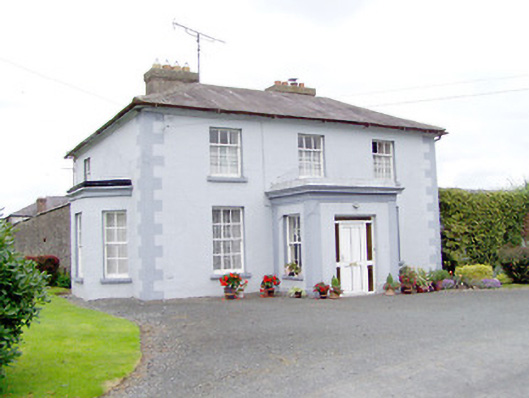
| Toneen | Captain Geoffrey Power was leasing this property from the Slator estate at the time of Griffiths Valuation in the early 1850s, when it was valued at over £13. In 1837 Lewis referred to “Towend” as the seat of “Jeffrey Keating Power”. The extant house at Toneen dates from the later 19th century. |
|
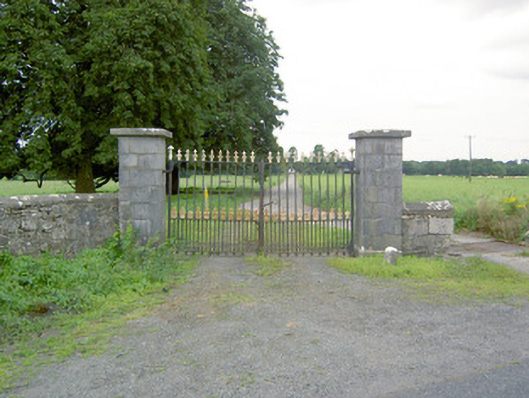
| Richfort | James A. Richardson held this property in fee at the time of Griffiths Valuation in the early 1850s when it was valued at £15. Lewis had referred to Richfort as the seat of J.A. Richardson in 1837. In 1814 Leet noted it as the residence of Arthur Richardson. The house was demolished in the 20th century but the entrance gates remain. |
|
| Monascallaghan House | This property was described as a herd’s house belonging to the Palliser estate at the time of Griffiths Valuation in the early 1850s, when it was valued at £2 5s. The Ordnance Survey Name Books noted that the townland was part of the Jessop estate. In 1906 it was the property of Dr. J. McCutcheon and valued at almost £3. A house is still extant at the site. |